


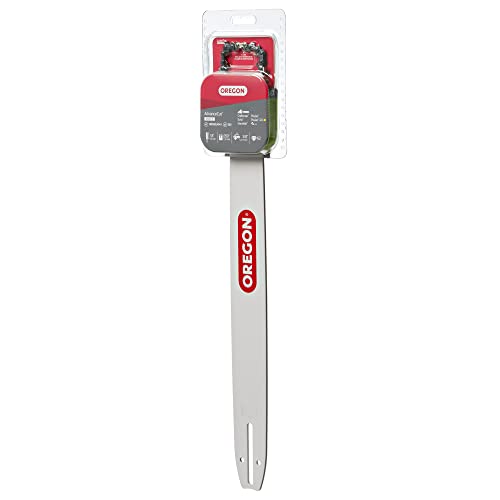
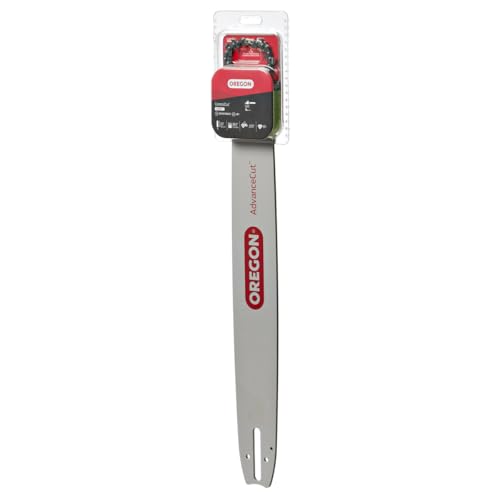
A worn guide bar turns an otherwise potent powerhead into a smoky, binding mess that wanders through cuts. Guide bar rails pinch, sprockets seize in dense oak logs, and uneven chain wear forces you to fight every bucking cut. Replacing tired cutting gear with durable chainsaw bars restores crisp tracking, cuts down on kickback hazards, and stops wasted fuel caused by excessive drag. Premium replacement options like the Oregon 18″ Bar & Chainsaw Chain Combo, 3/8″ or the sealed-bearing Husqvarna X-Force 18 Inch Chainsaw Bar utilize specialized lubrication channels to keep friction low during demanding storm cleanups.
Matching your powerhead to the correct tail mount pattern, such as the widely compatible A041 motor mount or heavy-duty K095 tail mount, ensures uninterrupted oil flow through the bar port. Proper pitch and gauge alignment, whether running standard .325″ pitch or nimble 3/8″ low profile pitch, prevents threw chains and eliminates uneven groove wear. When working with rough-sawn lumber or salvaged timber from large felling projects, woodworkers often finish cut planks using a dedicated best sander for floorboard restoration. Selecting reliable chainsaw bars gives you cleaner cuts, smoother power delivery, and fewer work interruptions on every outdoor cutting job.



Frequently Asked Questions
How do you know when it is time to replace your chainsaw guide bar?
Visible rail mushrooming, uneven groove wear, and constant cut drifting signal that your guide bar needs immediate replacement. When chain rails flatten or splay outward, the chain wobbles, causing crooked cuts and severe rail binding in thick timber. Flipping the bar regularly extends wear life, but once deep heat discoloration or loose nose sprockets appear, installing fresh chainsaw bars protects your saw engine from damaging friction.
What is the difference between A041, K095, and D025 chainsaw bar tail mounts?
Tail mount designations determine the exact oil hole location, adjuster pin slot, and stud spacing required to fit your specific chainsaw brand. An A041 motor mount typically fits smaller homeowner saws from Poulan, Echo, and Ryobi under 42cc displacement. Mid-size Husqvarna chainsaws frequently employ the K095 tail mount, while larger professional Stihl powerheads up to 62cc require the wide-slot D025 motor mount found on the Oregon 20″ Bar & Chainsaw Chain Combo, .325″.
Does saw chain pitch and gauge have to match the guide bar specifications?
Yes, the drive sprocket, guide bar groove, and saw chain must share identical pitch and gauge specifications to operate safely. Running a .050″ gauge chain inside a wider .063″ gauge bar groove causes chain slop, severe vibration, and premature rail destruction. Always verify that your drive link count, pitch, and gauge match manufacturer stamping before tightening side-access tensioner nuts.
Why do some modern guide bars feature a sealed nose bearing without a grease hole?
Sealed nose bearing designs keep abrasive wood grit, sap, and sawdust from entering the bearing cage while relying entirely on clean bar oil. The Husqvarna X-Force 18 Inch Chainsaw Bar utilizes this enclosed bearing system with support shields, eliminating daily grease-gun maintenance. For woodworkers who craft rustic projects from cut logs, pairing precise bucking cuts with a versatile best detailing sander ensures clean finishing without snagging splintered wood.
Can you install a longer guide bar on a small chainsaw powerhead?
No, running a bar longer than the manufacturer rating bogs down small displacement engines and risks overheating the centrifugal clutch. Chainsaws under 42cc perform best with a 16 Inch Chainsaw Bar & Chain Combo or an 18-inch setup running narrow 3/8″ low profile pitch cutters. Oversized guide bars demand more oil volume and torque than compact engines can supply, leading to poor cutting momentum and increased kickback risk during 2026 yard tasks.




Write Your Review
No reviews yet. Be the first to share your experience!