


Cutting steel studs, angle iron, or threaded rod often leaves DIYers and jobsite builders wondering if their standard shop tools can handle tough metalwork. The straightforward reality is that a circular saw can slice through metal, but success hinges entirely on matching the motor style, operating speed, and blade construction to the specific workpiece. If you have ever asked can circular saw cut metal cutting tasks cleanly, the answer depends on whether you equip a standard wood saw with specialized abrasive or cermet discs, or choose a dedicated dry-cut metal circular saw. While tackling non-ferrous trim often leads tradespeople to inspect a blade for aluminum cutting, cutting ferrous structural steel requires distinct blade engineering, proper chip management, and strict operating precautions.
Standard woodworking circular saws spin at high speeds that can generate extreme friction and hot sparks when pushed into carbon steel without the right accessories. Dedicated metal-cutting circular saws, by contrast, incorporate high-torque motors, lower blade speeds, and integrated chip collection chambers to catch hot metal debris before it scatters across your workspace. Choosing the proper approach requires evaluating your material thickness, cut frequency, and cut finish requirements. Whether you are trimming thin sheet metal with an inexpensive abrasive wheel or fabricating clean joints with a carbide-tipped blade, understanding the physical differences between standard cutting tools and purpose-built machines ensures safer, more accurate results.

Pros
- Dual fiberglass mesh sheets ensure structural integrity and reduce wheel breakage risks
- Diamond knockout arbor allows straightforward use on worm drive framing and cut-off saws
- Treated aluminum oxide grain cuts cleanly through angle iron, steel plate, and rebar
- Excellent value for metal fabrication, garage repair, and jobsite demolition tasks
Cons
- Abrasive wheel design produces sparks and dust that require thorough safety gear
- Naturally wears down in diameter over time compared to carbide or diamond-tipped blades
- Engineered strictly for ferrous metals and is not suitable for wood or masonry cutting
The DEWALT DW8056 7-Inch Extended Performance Metal Abrasive Saw Blade is a specialized cutting accessory engineered to handle tough metal slicing tasks on the jobsite and in the workshop. Built specifically for use on circular saws, this abrasive wheel transforms standard circular saws and worm drive units into capable metal cut-off tools. It tackles structural steel, angle iron, black pipe, threaded rod, and rebar with clean, fast cuts.
This blade is an excellent match for contractors, metal fabricators, mechanics, plumbers, and DIY workshop users. Plumbers and mechanical trades frequently encounter steel pipe and conduit that need quick sizing in the field. Automotive mechanics and garage hobbyists working on exhaust tubing or rusted hardware can also rely on this wheel to slice through stubborn components without ruining expensive teeth on specialty multi-material blades.
In terms of performance, the DW8056 uses a specially treated aluminum oxide grain structure paired with a proprietary bonding mix. This design helps maintain a crisp cutting edge as the wheel works, shedding worn abrasive particles evenly rather than glazing over. The inclusion of two full sheets of fiberglass reinforcement adds vital strength under lateral load, giving users added peace of mind when cutting thick ferrous materials at high RPM.
Fitment is particularly well thought out, as the wheel includes a diamond knockout arbor specifically for worm drive saws. Worm drive saws provide the high torque often required for sustained cutting through heavy-gauge steel, making this arbor feature essential for framing contractors and industrial workers. Standard round arbor circular saws can also mount the wheel before the diamond center is punched out, offering versatile tool compatibility.
Storing and maintaining abrasive cutoff wheels requires simple precautions to ensure peak longevity. They should be kept flat in a dry toolbox or shelf away from moisture and direct impacts that could fracture the wheel matrix. Because this is a consumable abrasive product, it will gradually reduce in diameter as you cut, which is standard behavior for wheels of this type. Always inspect the disc for chips or cracks before mounting.
For anyone needing a dependable, cost-effective cutting accessory for carbon steel and ferrous metals, the DEWALT DW8056 represents a solid investment. It provides the right balance of cutting speed, safety reinforcement, and tool compatibility, making it a reliable addition to any contractor truck or home workshop.
On dynamic jobsites, metal cutting often happens in tight spaces or on workbenches far from stationary chop saws. Mounting the DEWALT DW8056 onto a portable circular saw lets tradespeople bring serious cutting power directly to the workpiece. Whether trimming steel studs on a framing site or cutting rebar down to length for concrete forms, this blade provides efficient performance without hauling heavy stationary tools.
The dual fiberglass layers provide the safety factor needed in rugged jobsite environments where vibration and uneven feeding pressure are common. Using appropriate personal protective equipment, including face shields, ear protection, and leather gloves, ensures smooth, secure cuts every time you power through structural metal.

Pros
- Exceptional cutting speed and cooler operation compared to abrasive discs, increasing efficiency and reducing material damage.
- Durable ceramic carbide teeth offer long service life even in demanding metal-cutting applications.
- Laser-cut stabilizer vents help maintain blade stability and reduce vibration for cleaner cuts.
- Wide compatibility with most circular saws (corded and cordless) makes it a versatile addition to any tool kit.
- Precise cutting specifications allow for accurate work on steel studs, conduit, angle iron, and more.
Cons
- Higher initial price point compared to standard abrasive discs, though longer life may offset cost over time.
- Specific thickness limits (1/16 min wall, 1/4 max for tubing) may not suit all metal cutting tasks.
- Requires proper saw speed and feed rate to avoid damaging the blade, which may have a learning curve for new users.
The FOXBC 7-1/4 inch circular saw blade is a purpose-built metal cutting tool designed to replace both abrasive discs and general-purpose blades for ferrous materials. Featuring 48 premium ceramic carbide teeth, this blade is engineered to handle tough cutting jobs on steel studs, angle iron, EMT conduit, all-thread rods, and even stainless steel. For professional tradespeople and serious DIYers, this blade offers a significant upgrade in speed, longevity, and cut quality over traditional grinding discs.
This blade is best suited for contractors, electricians, plumbers, woodworkers, and metal fabricators who regularly cut metal on the job or in the workshop. The advanced ceramic and metallic teeth deliver exceptional heat tolerance, allowing the blade to stay sharp longer and maintain a cooler cut. According to the product description, this design results in up to 50 times cooler cuts compared to abrasive discs, which can heat steel enough to discolor it. This is a major advantage when working on visible metal structures or stainless steel where appearance matters.
In terms of performance, the FOXBC blade is claimed to cut up to 10 times faster than standard grinding discs. For a professional cutting steel studs or conduit all day, this time savings can translate directly into higher productivity. The blade’s 48-tooth configuration provides a smooth finish, reducing the need for secondary deburring. The laser-cut stabilizer vents further enhance performance by minimizing vibration and noise, leading to more accurate cuts and less operator fatigue. Many users may find that this blade reduces the physical strain associated with using an angle grinder for metal cutting.
Build quality is a strong point for this blade. The FOXBC uses fine-grain ceramic carbide for the teeth, which resists wear far better than standard carbide. The blade body features advanced laser-cut stabilizer vents that keep the blade cool and stable during use. With a .075-inch kerf and 5/8-inch arbor, it fits most standard circular saws. The blade is also compatible with both corded and cordless saws, making it a flexible option for workshop benches and remote jobsites alike.
Setup is straightforward — simply mount the blade on your circular saw, ensuring the arbor size matches. No special tools or adapters are required. Maintenance involves keeping the blade clean from resin and metal buildup; occasional cleaning with a blade cleaner or solvent will extend its life. Storage is simple as the blade can be kept in its original packaging or a blade case to protect the teeth. Given its durability, this blade may reduce the frequency of blade changes, which is a practical benefit for busy workshops and job sites.
While the FOXBC blade offers impressive benefits, it does have limitations. The cutting specifications (wall thickness 1/16 to 1/4 inch for tubing, and 1/8 to 1/2 inch for plates) mean it may not handle very thin or very thick metals. Also, the blade is designed specifically for ferrous metals and stainless steel — it is not meant for wood or masonry. Some users may find the initial cost higher than a pack of abrasive discs, but the longer lifespan often makes it a cost-effective choice. Overall, for anyone who frequently cuts metal — whether on construction sites, in a fabrication shop, or at home — the FOXBC 7-1/4 inch metal cutting blade delivers reliable performance and value.

Pros
- Exceptionally low-heat and spark-free operation enhances safety on the job site.
- High durability with anti-rust coating and carbide teeth for long blade life.
- Versatile compatibility with standard 5/8" arbor circular saws.
- Smooth, low-vibration cuts reduce fatigue and improve finish quality.
- Ultra-thin kerf minimizes material waste and extends battery life on cordless saws.
Cons
- With 48 teeth, it is designed for thinner metals; thicker materials may require a lower tooth count blade.
- Limited to metal cutting applications; not suitable for wood or masonry.
- No reviews yet, so real-world performance feedback is unavailable.
The HARDWIN 7-1/4 inch metal cutting circular saw blade is a professional-grade accessory designed for cutting structural steels like rebar, angle iron, channel steel, and metal pipes. Featuring 48 cermet carbide teeth, this blade offers a precision cutting solution for tradespeople and serious DIYers who need clean, efficient results without excessive heat or sparks.
This blade is best suited for contractors, mechanics, metal fabricators, and homeowners tackling metal-cutting projects around the garage or job site. Its low-heat, spark-free operation makes it a safer option for cutting in tight spaces or near flammable materials. The ultra-thin kerf design reduces waste and improves cutting economy, while the noise-reduction technology keeps vibration and sound levels manageable.
In terms of performance, the cermet carbide teeth maintain their edge well, delivering smooth cuts through rebar and angle iron with minimal burring. The anti-rust and anti-stick coating helps prevent gumming and corrosion, extending the blade's useful life. Users who pair this blade with a powerful circular saw will appreciate the consistent cut quality and reduced need for post-cut finishing.
Build quality is solid: the laser-cut steel core is precisely balanced to minimize wobble, and the carbide tips are securely brazed. The 5/8-inch arbor is standard, ensuring compatibility with most corded and cordless circular saws. While the blade is built for durability, it is important to follow manufacturer guidelines for maximum RPM and material thickness to avoid damage.
Storage and maintenance are straightforward. The blade's coating resists rust, so wiping it clean after use and storing it in a dry place is sufficient. Many users may prefer to keep it in a blade case or original packaging to protect the teeth. One limitation is that this 48-tooth blade is optimized for thinner metals; cutting thick stock over 1/4 inch might be slower or require multiple passes.
Overall, the HARDWIN metal cutting blade offers a compelling mix of safety, precision, and durability at an accessible price point. It is a practical choice for anyone with a circular saw who regularly works with rebar, pipe, or sheet metal. While it hasn't yet accumulated user reviews, the product specifications suggest it will perform reliably for both professional and DIY metal cutting tasks.
The HARDWIN blade features a laser-cut high-precision steel core that ensures runout is minimized, reducing vibration and cutting drift. The anti-rust and anti-stick coating protects the blade from corrosion and buildup, even when cutting galvanized or painted metals. The cermet carbide tips are bonded using a high-temperature brazing process for secure retention under heavy loads. Overall, the construction feels robust enough for daily contractor use.
Cutting performance is marked by low heat generation and minimal sparks, which is a significant advantage when working in dusty or confined areas. The 48-tooth geometry provides a smooth finish on rebar and angle iron, often eliminating the need for deburring. The noise-reduction features make for a more comfortable cutting experience, especially during extended use. When paired with a saw that has enough power, the blade cuts through 1/8-inch steel plate with ease.

Pros
- Precision-sharpened teeth for fast, smooth metal cuts
- Rust-resistant coating reduces friction and prevents corrosion
- Thicker blade body enhances durability for heavy-duty use
- Affordable price point for a quality metal cutting blade
Cons
- Limited to metal cutting; not suitable for wood or other materials
- May require a saw with sufficient power for thick metal stock
- Some users may prefer a carbide-tipped blade for longer edge retention
The DEWALT DW3329 is a 7-1/4 inch circular saw blade engineered specifically for cutting metal. With 68 precision-sharpened teeth, this blade is designed to deliver fast, smooth cuts through various metal materials, making it a practical choice for contractors, mechanics, and serious DIY homeowners who regularly work with metal on the jobsite or in the garage.
Performance-wise, the DW3329 excels at cutting through metal with efficiency. The precision-sharpened teeth help reduce cutting time and minimize burrs, resulting in cleaner edges that often require less finishing work. The blade's coating not only prevents rust but also reduces friction, which can help the blade run cooler and last longer during extended use. For professionals cutting metal studs, rebar, or sheet metal, this blade can improve productivity and reduce downtime.
Build quality is a strong point here. The blade features a thicker body compared to standard blades, which adds rigidity and durability for heavy-duty applications. This construction helps resist bending and warping under stress, which is especially important when cutting tougher metals. The rust-resistant coating also adds to the blade's longevity, protecting it from moisture and corrosion in humid workshop or garage environments.
Setup and use are straightforward. The blade fits any standard 7-1/4 inch circular saw with a 5/8 inch arbor, so swapping out a worn blade takes just a few minutes. No special tools or adapters are needed. Storage is simple as well; the blade can be kept in a toolbox or hung on a pegboard, though a dedicated blade case would be a nice addition for protection during transport.
One realistic limitation is that this blade is designed specifically for metal cutting. It is not intended for wood, plastic, or masonry, so users will need to switch blades when changing materials. Additionally, while the blade is durable, some heavy-duty users may prefer a carbide-tipped blade for even longer edge life in abrasive metal cutting applications. However, for the price, the DW3329 offers solid value.
Overall, the DEWALT DW3329 is a reliable metal cutting blade that delivers on its promises of speed, smoothness, and durability. It is well-suited for contractors framing with metal studs, mechanics cutting exhaust pipes or brackets, and DIYers tackling metal projects in the garage. If you need a dedicated metal cutting blade for your circular saw, this is a practical and affordable option worth considering.

Pros
- Quick and aggressive metal cutting performance
- Affordable price point for a specialized blade
- Durable carbide tips hold up well on steel
- Compatible with most 7-1/4 inch circular saws
- Good for occasional use in home or shop metal projects
Cons
- Low tooth count produces rougher cuts than higher-tooth metal blades
- Not suitable for wood or non-ferrous materials
- Manufactured in China may be a concern for some buyers prioritizing domestic origin
The DEWALT DW3330 is a 7-1/4 inch circular saw blade featuring 16 carbide-tipped teeth designed specifically for cutting ferrous metals like steel and iron. This blade is built for users who need to make efficient cuts in metal sheets, pipes, or bars without switching to a dedicated metal-cutting saw.
This blade is best suited for contractors, metal fabricators, auto body workers, and DIY homeowners who occasionally cut metal in their garage or on the jobsite. It is not intended for wood or non-ferrous materials, so it's a specialized tool for metalworking tasks where speed and cut volume matter more than finish quality.
In real-world use, the 16-tooth design provides aggressive material removal. The carbide tips hold an edge reasonably well under normal use, and the thin kerf helps reduce wasted material while also being easier on smaller saw motors or cordless tools. However, keep in mind that the finish left by this blade will be rough when compared to a finer-toothed metal-cutting blade. It excels when you need to make quick cuts that will later be ground or deburred.
Build quality is adequate for the price point. The blade body is made from hardened steel, and the carbide tips are securely brazed. It's manufactured in China under DEWALT's quality standards, which means consistent performance for occasional metal cutting. Installation is straightforward with the standard 5/8-inch arbor and a simple arbor wrench.
Storage and maintenance are simple: keep the blade dry to prevent rust, store it in a blade case or on a magnetic rack, and clean off any pitch or residue after use. Because of its modest price, many users may prefer to replace it when it dulls rather than resharpening.
A realistic limitation is that this blade is not a precision finishing tool. The rough cut may require additional cleanup. Also, it's not designed for cutting non-ferrous metals like aluminum or brass. For contractors and DIYers who need a budget-friendly metal-cutting blade for occasional use, the DEWALT DW3330 delivers reliable performance without breaking the bank.

Pros
- Fast cutting speed saves time on repetitive metal cutting tasks
- Cool operation prevents discoloration and material weakening
- Long blade life reduces replacement frequency and cost
- Low vibration design improves control and cut accuracy
- Versatile compatibility with most 7-1/4 inch circular saws
Cons
- Not suitable for cutting wood or masonry, limiting multi-material use
- Requires a saw with at least 5800 RPM to reach optimal performance
- Higher upfront cost compared to abrasive discs, though offset by longer life
The FOXBC 7-1/4 inch circular saw blade is specifically designed for cutting metal and stainless steel, making it a specialized tool for DIY homeowners, mechanics, contractors, electricians, plumbers, woodworkers, construction workers, and anyone running a busy garage or workshop. With 70 ceramic carbide teeth and a 5/8 inch arbor, this blade fits most cordless and corded circular saws, ready to tackle steel studs, angle iron, EMT conduit, all-thread, and solid plates up to 1/2 inch thick.
Performance is the standout feature here. According to the manufacturer, this blade cuts up to 10 times faster than standard grinding discs while running up to 50 degrees cooler. That means less heat discoloration on your metal and faster work on repetitive cuts like shearing conduit or slicing through threaded rod. For tradespeople on a jobsite or a mechanic cutting brackets in the garage, that speed can save hours over a week. The ceramic carbide teeth also claim up to 25 times longer life than abrasive wheels, which reduces the frequency of blade swaps and keeps your workflow steady.
Build quality appears solid for the price point. The blade uses Japan-sourced ceramic and metallic materials for the teeth, which should resist wear and hold an edge longer than standard carbide. The laser-cut stabilizer vents are a practical addition they help dampen vibration and noise, leading to straighter cuts and less fatigue during extended use. The red color is purely cosmetic, but the overall construction feels purposeful for heavy-duty metal cutting.
Storage and maintenance are straightforward. Like any circular saw blade, you will want to keep it in a blade guard or case to protect the teeth, and wiping it down after use prevents rust buildup. Because it is a specialty blade for metal, you cannot swap it out for wood cutting without removing it, but that is standard for dedicated blades. It also requires a saw capable of 5800 RPM minimum, so older or low-speed saws may not deliver full performance.
Realistically, this blade is not for every situation. It is not designed for wood, masonry, or thin sheet metal thinner than 1/16 inch, so you will still need a general-purpose blade for other materials. Also, the 70-tooth count means a smoother but slower cut than a lower-tooth blade on lighter stock. For contractors cutting EMT all day, the speed and cool operation are a clear upgrade from abrasive wheels, but DIY users might find the initial price higher than a pack of cutoff discs. However, given the long lifespan, it can be a cost-effective choice in the long run.
Overall, this FOXBC blade is a practical investment for anyone regularly cutting metal with a circular saw. It balances fast, clean cuts with durability and reduced heat, which helps maintain material quality. Whether you are wiring a building, fabricating brackets, or repairing equipment in your shop, this blade can boost productivity and deliver consistent results. Check your saw's arbor size and RPM rating before buying, and you will be set for serious metal cutting work.
Pros
- Powerful 15-amp motor handles tough steel cutting with ease.
- Lightweight design improves portability and reduces arm fatigue.
- Clean, burr-free cuts with included TCT blade save time on finishing.
- Adjustable bevel and depth settings add versatility for various cuts.
- Clear cutline visibility enhances cutting accuracy and safety.
Cons
- Premium price point may be higher than entry-level circular saws.
- Limited to metal cutting applications; not ideal for wood or masonry.
- Some users may prefer a cordless model for greater mobility on job sites.
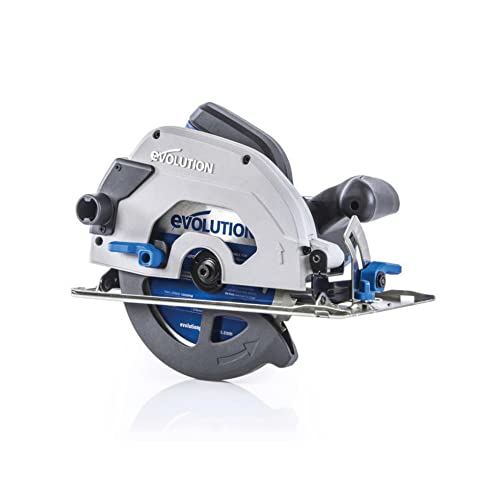
The Evolution S185CCSL is a 7-1/4 inch metal cutting circular saw that brings serious cutting power to your workshop or job site. Powered by a 15-amp motor, this saw is built to slice through mild steel quickly and cleanly, making it a valuable tool for anyone who works with metal regularly. Whether you are a DIY homeowner tackling a metal roofing project, a mechanic fabricating brackets, or a contractor installing steel framing, this saw is designed to deliver professional-grade results.
One of the standout features of this saw is its dry-cut technology. Unlike abrasive chop saws that create showers of sparks and generate heat, the Evolution S185CCSL uses a 40-tooth TCT blade to produce smooth, burr-free cuts with virtually no heat buildup. This means you get instantly workable edges that are ready for welding or further fabrication without additional deburring. The lack of sparks also makes it safer to use in environments where flammable materials are present, such as garages or workshops.
Build quality is a strong point here. The saw weighs only 11.4 pounds, making it one of the lightest in its class. This lightweight design reduces user fatigue during repetitive cutting tasks or overhead work, which is a common complaint with heavier metal saws. The paddle levers for bevel and depth adjustments are easy to operate, allowing you to switch between 0 and 45 degree bevels quickly. The cutting depth goes up to 2-1/2 inches, which covers most common metal stock sizes.
In terms of usability, the saw features a built-in blade viewing window and channeled airflow that keeps the cutline clear of debris. This helps you maintain accuracy and control on every pass, which is especially important when making precise cuts for metal roofing or angled framing. The saw also includes a TCT blade right out of the box, so you can start working immediately without needing to purchase additional accessories.
Storage and maintenance are straightforward. The saw is compact enough to fit in most toolboxes or on a shelf, and the dry-cut design means there is no messy cutting fluid to deal with. Blade changes are simple, and the saw is compatible with standard 7-1/4 inch blades, giving you options for different metal cutting needs. However, it is worth noting that this saw is specifically designed for metal cutting and should not be used on wood or masonry, as that could damage the blade or motor.
Overall, the Evolution S185CCSL is a solid investment for anyone who needs a reliable, efficient metal cutting saw. It is best suited for DIY enthusiasts, mechanics, contractors, and workshop users who prioritize clean cuts, reduced cleanup, and user comfort. While the price is higher than some general-purpose circular saws, the specialized performance and included TCT blade make it a worthwhile tool for serious metalworking projects.
Pros
- Cuts steel cleanly without sparks or burrs - saves time on post-cut cleanup
- High torque motor delivers consistent power through thick materials
- Adjustable depth and LED guide make precise cuts easy
- Effective chip collection keeps work area cleaner
- Safety features like blade brake and trigger lock inspire confidence
Cons
- Premium price point may not suit occasional DIYers on a tight budget
- Designed specifically for metal cutting - not a general-purpose saw for wood or other materials
- 8-1/4 inch blade size is less common than standard 7-1/4 inch, limiting blade interchangeability
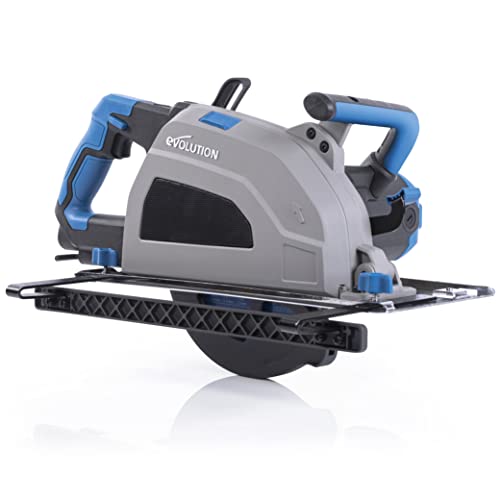
The Evolution S210CCS is a specialized metal cutting circular saw designed for professionals and serious DIYers who need to cut mild steel quickly and cleanly. Unlike standard abrasive saws, this tool uses a tungsten carbide tipped (TCT) blade that slices through steel without generating heat, sparks, or burrs. That means you get a finished edge that's ready for welding or fabrication without secondary grinding.
This saw is best suited for mechanics, contractors, metal fabricators, and advanced DIY homeowners who regularly work with steel in framing, roofing, or repair projects. The high-torque motor can handle up to 1/2-inch thick steel plate, and the intelligent overload system protects the tool during demanding cuts. Users will appreciate the smooth, controlled cutting action that reduces fatigue on long jobs.
Build quality is solid, with a steel base that provides stability and clear sightlines for accurate tracking. The ergonomic ambidextrous handles and safety trigger lock make it comfortable and secure to use. The integrated chip collector holds a generous amount of metal debris, and the quick-release latch simplifies cleanup and blade changes. An LED cutline light and full-length parallel edge guide help you make precise straight cuts and plunge cuts up to 3 inches deep.
Ease of use is a strong point - the saw is ready to run right out of the box with the included TCT blade. Setup is minimal, and the controls are intuitive. Storage is straightforward; the saw is compact enough to fit in a standard toolbox or on a shelf. Maintenance mainly involves keeping the blade sharp and emptying the chip collector regularly.
One realistic limitation is the price - at around $295, it's an investment for occasional use. Also, this saw is purpose-built for metal cutting, so it won't replace a standard circular saw for wood or other materials. The 8-1/4 inch blade size is less common, but Evolution offers a range of blades for different metal thicknesses. Some users might prefer a larger blade for deeper cuts, but the 3-inch depth covers most common applications.
Overall, the Evolution S210CCS is a reliable, performance-oriented tool that delivers on its promise of clean, fast metal cutting. For anyone who regularly cuts steel and values efficiency, safety, and precision, this saw is a worthwhile addition to the workshop or job site.
The Evolution S210CCS incorporates several features to enhance user safety and comfort during operation. The electronic blade brake stops the blade quickly after release, reducing the risk of accidental contact. A safety trigger lock prevents unintended startups, and the ergonomic ambidextrous handles provide a secure grip for both right- and left-handed users.
The steel base offers stability and clear sightlines, helping you maintain control during cuts. The chip collector not only keeps the work area cleaner but also reduces airborne metal dust. The LED cutline light improves visibility in dim conditions, allowing for more accurate cuts without straining.
These features make the saw suitable for extended use in workshops, garages, and construction sites where safety and comfort are priorities. The design minimizes vibration and noise compared to abrasive cutters, contributing to a more pleasant working experience.
Understanding How Circular Saws Handle Metal Cutting Applications
Understanding whether a circular saw can cut metal begins with the distinction between cutting methods and motor mechanics. A standard circular saw spins a blade at relatively high revolutions per minute, which works well for severing wood fibers cleanly. Metal, however, presents extreme resistance, dense grain structures, and heat buildup that require thoughtful tool matching. You can indeed cut metal with a circular saw, provided you select the appropriate blade type and respect the mechanical limitations of your specific saw model.
Abrasive wheels and cermet-tipped circular blades represent two very different methods for processing ferrous metals like steel studs, rebar, and angle iron. Abrasive discs grind their way through the material using friction, producing substantial sparks and heating the metal to high temperatures. In contrast, cermet and tungsten carbide-tipped blades actually shear through metal cold, producing manageable chips rather than abrasive dust clouds. Knowing how each blade functions will help you pick the safest and most efficient setup for your jobsite needs.
Standard Woodworking Saws Versus Purpose-Built Metal Saws
A standard woodworking circular saw typically runs between 4,500 and 5,800 RPM without load. While high RPM is suitable for quick timber crosscuts, forcing a standard saw into thick metal can quickly overheat the motor, melt internal plastic housings, and fling red-hot debris into open motor vents. Standard saws also feature open blade guards designed for sawdust evacuation rather than trapping jagged metal chips. When cutting metal with a wood saw, you must limit work to thinner stock and take frequent pauses to prevent thermal buildup.
Purpose-built metal cutting saws, such as the Evolution S185CCSL or the Evolution S210CCS, are engineered from the ground up for steel fabrication. These tools feature lower operating RPMs combined with high-torque gearboxes that maintain cutting momentum under heavy resistance without bogging down. Furthermore, dedicated metal saws incorporate fully enclosed blade housings and chip collection chambers that trap metal swarf. This enclosed design prevents hot metal shavings from burning the operator or entering the motor windings, resulting in a cleaner and far safer workflow.
Motor durability also separates the two machine categories during heavy-duty cutting operations. Dedicated saws like the 15-amp Evolution S185CCSL utilize reinforced gearing designed to withstand the sudden shock loads encountered when teeth strike hard structural steel. Standard circular saws lack these reinforced internal drives, meaning prolonged metal cutting can strip standard bevel gears prematurely. If your project involves frequent cuts in thick plate or heavy pipe, investing in a dedicated metal saw provides the necessary durability.
Abrasive Cut-Off Wheels Versus Toothed Cermet Blades
Bonded abrasive wheels, like the DEWALT DW8056 7-inch extended performance wheel, cut metal through grinding action using specially treated aluminum oxide grain. These wheels are reinforced with internal fiberglass sheets to maintain structural integrity under high rotation speeds. Abrasive wheels are widely accessible and fit standard 5/8-inch arbors or diamond knockouts on worm drive saws. However, grinding creates intense friction that heats the workpiece significantly, often leaving heavy burrs and discolored edges that require grinding or filing before welding.
Modern toothed blades, including the FOXBC 7-1/4 inch 48-tooth blade and the HARDWIN 48-tooth cermet blade, take an entirely different mechanical approach. These blades utilize ceramic-metallic composite teeth that physically shear metal stock instead of grinding it away. Because the cutting edge cuts chips rather than rubbing the steel away, heat transfers directly into the discarded metal shavings. The resulting cut remains cool to the touch immediately after the pass, leaving square, virtually burr-free edges ready for fabrication.
Diameter stability represents another major difference between abrasive wheels and toothed blades. As an abrasive disc cuts through steel studs or rebar, the outer diameter wears away continuously, steadily reducing your saw’s maximum depth of cut. Toothed steel blades maintain their exact diameter throughout their service life, ensuring consistent cut depth across hundreds of passes. While toothed cermet blades require a larger initial investment, their ability to maintain cutting capacity and produce clean edges makes them highly economical for repetitive framing or fabrication work.
Tooth Count and Kerf Selection for Different Metal Thicknesses
Matching your blade tooth count to the thickness of your metal workpiece prevents tooth breakage and violent blade binding. A helpful rule of metal cutting is to ensure at least two to three teeth remain in contact with the material wall at all times. When cutting thin-walled material like EMT conduit, sheet metal, or metal roofing, a higher tooth count is essential. A fine-pitch blade prevents the teeth from straddling thin sheet edges and snagging the workpiece.
For thin sheet metal, light-gauge studs, and thin tubing, a blade like the FOXBC 70-tooth ceramic carbide blade offers the required tooth density. The closely spaced teeth distribute cutting pressure evenly, minimizing chatter and preventing sheet metal from tearing or buckling along the cutline. On the other hand, cutting thicker solid stock like 1/2-inch plate, heavy angle iron, or structural rebar calls for a 48-tooth configuration such as the HARDWIN cermet blade. The wider gullets between teeth on a 48-tooth blade provide adequate clearance for metal chips to escape freely without packing the blade.
Kerf thickness also plays a decisive role in cutting speed and tool strain. Thin-kerf designs, such as the 0.075-inch kerf found on modern cermet blades, remove less material per revolution than standard thick-bodied alternatives. This reduced resistance allows cordless circular saws and lighter corded motors to cut through tough carbon steel without stalling. By combining an ultra-thin kerf with laser-cut stabilizer vents, these blades reduce operational vibration, keeping cuts straight and preserving motor brushes.
Managing Material Types: Carbon Steel, Conduit, and Ferrous Stock
Different metals react uniquely to circular saw cutting, requiring specific handling techniques. Carbon steel, rebar, and black iron pipe represent dense ferrous materials that generate substantial resistance during cutting. These materials demand constant, steady feed pressure so the blade teeth can bite cleanly rather than rubbing against the hard surface. If you let the blade dwell or bounce in the cut, tooth friction will work-harden the steel, quickly dulling the cutting tips.
Hollow structural sections like EMT conduit, steel studs, and box tubing present a different challenge due to shifting wall thicknesses. As the circular blade enters a hollow profile, it cuts easily through the upper wall before suddenly encountering the dense vertical sidewalls. Maintain a firm grip on the saw handles to control the tool as resistance increases abruptly mid-cut. If you frequently cut plastic materials alongside electrical conduit on job sites, referencing a blade for PVC pipe cuts helps ensure you use the right tooth geometry for clean edges across different materials.
Stainless steel represents one of the toughest metals to process with a handheld saw because of its high nickel and chromium content. Stainless steel work-hardens almost instantly when exposed to excessive friction or dull teeth. When cutting stainless steel channel or all-thread rod, select specialized blades rated for stainless service, such as Japanese cermet-tipped blades. Always verify that your blade maximum RPM rating meets or exceeds your saw arbor speed to prevent tooth detachment under load.
Essential Safety Protocols and Chip Management
Cutting metal with any circular saw demands rigorous personal protective equipment and site preparation. Metal cutting throws hot, razor-sharp swarf at high velocities that can easily cause severe injury. Always wear ANSI-rated safety glasses accompanied by a full-face shield to protect against stray chips and potential blade fragments. Sturdy work gloves, hearing protection, and flame-retardant clothing like heavy cotton or leather are also essential when operating dry-cut tools.
Secure workholding is another safety requirement that cannot be overlooked during metal fabrication. Never attempt to freehand a cut or steady a metal pipe with your foot or free hand while running a circular saw. The aggressive bite of metal-cutting teeth can snatch loose workpieces instantly, causing dangerous kickback or severe hand injuries. Clamp every piece of angle iron, conduit, or steel plate firmly to a rigid workbench or sawhorse using heavy C-clamps or locking pliers.
Site management and dust containment are equally important for workshop safety. When running a standard saw with an abrasive disc, remove all sawdust, solvents, and combustible shop materials from the cutting zone, as hot grinding sparks create an immediate fire hazard. If you use a purpose-built saw like the Evolution S210CCS, ensure the integrated chip collector is securely latched before initiating cuts. Empty the collector frequently to maintain steady internal airflow and prevent packed metal shavings from overheating the blade housing.
Evaluating Dedicated Metal Cutting Machines
For contractors, metal roofers, and serious fabricators, dedicated metal-cutting circular saws provide distinct advantages over adapted woodworking saws. The Evolution S185CCSL 7-1/4 inch saw demonstrates the utility of purpose-built design, combining a lightweight 11.4-pound chassis with a 15-amp high-torque motor. Its paddle levers allow quick bevel adjustments up to 45 degrees and cutting depths up to 2-1/2 inches, making it suitable for angled cuts on steel roofing and metal framing. Built-in sightline windows and channeled airflow keep cut lines visible without blowing hot chips directly toward the user.
For heavier industrial applications, larger capacity machines offer extended cutting depth and enhanced safety controls. The Evolution S210CCS utilizes an 8-1/4 inch blade capable of cutting up to 3 inches deep, allowing single-pass cuts through thick plate and dense structural tubing. This model features an integrated chip collection system that captures up to 60 percent more debris than standard open guards, alongside an electronic blade brake that halts blade rotation rapidly once the trigger is released. Ambidextrous ergonomic handles and LED cutline lights further enhance stability during intricate plunge cuts.
When deciding whether to adapt an existing saw or invest in a dedicated metal machine, evaluate your planned cutting volume. Homeowners making occasional cuts in electrical conduit or chain-link fencing can manage well by mounting a quality cermet blade into their existing 7-1/4 inch saw. However, if your projects require daily steel framing, thick plate processing, or extensive structural pipe cuts, a dedicated dry-cut saw provides superior speed, cooler operation, and essential debris containment that protects both your tools and your workspace.
Mastering circular saw metal cutting ultimately comes down to respecting the material and matching your equipment to the cut. Always ensure your blade arbor matches your saw spindle securely, verify that maximum RPM limits are strictly observed, and let the tool do the cutting without forcing feed pressure. By selecting the right tooth geometry, securing your stock firmly, and wearing complete protective equipment, you can achieve clean, professional, and cool-to-the-touch metal cuts on every project.




Write Your Review
No reviews yet. Be the first to share your experience!