


Torn beads, ragged seams, and static-clinging debris turn simple insulation projects into stubborn cleanup nightmares. Standard coarse wood blades chew aggressively through rigid panels, scattering tiny white flecks across the workspace while leaving uneven joints that compromise thermal barriers. Selecting the best saw to cut foam board insulation requires examining edge geometry, friction reduction, and blade heat concentration. Specialty foam cutting tools slice smoothly through expanded polystyrene, extruded polystyrene, and foil-faced polyisocyanurate without fracturing the brittle core or gumming up tool guards.
Careful analysis of product specifications and user feedback reveals that dedicated circular blades and serrated hand cutters eliminate the vast majority of airborne static dust. Whether you are insulating basement foundations or trimming roof decking, matching your blade format to panel thickness prevents melting and uneven bevels. Upgrading your jobsite cutting setup mirrors the precision required when selecting the best saw for cutting fence panels on exterior construction tasks. Evaluating kerf clearance, carbon steel construction, and blade reach ensures your insulation boards slide into stud bays with factory-grade joints.

Pros
- Eliminates 95% of dust compared to traditional cutting methods, keeping your workspace cleaner
- Cuts a wide variety of rigid foam boards including EPS, XPS, and foil-faced polyiso
- Durable carbon steel construction with ceramic coating resists corrosion and wear
- Thermal-break design helps maintain sharpness and reduces blade binding during cuts
Cons
- Priced at a premium compared to standard foam cutting blades, reflecting specialized design and performance
- Limited to cutting rigid foam insulation; not suitable for wood, metal, or other common materials
- Requires a compatible circular saw with a 7.25-inch arbor, which may not fit all saw models
The Bullet by MARSHALLTOWN 7.25-inch CenterFire Circular Rigid Foam Blade is a specialized cutting accessory designed for anyone who works with rigid insulation boards. Whether you are a contractor insulating a commercial building, a DIY homeowner finishing a basement, or a workshop user cutting foam for hobby projects, this blade aims to make the job cleaner and more efficient.
This blade is built for cutting EPS (expanded polystyrene), XPS (extruded polystyrene), and foil-faced polyiso insulation. Its razor-sharp edges and unique thermal-break design help concentrate heat at the cutting edge, which reduces friction and delivers a smooth, factory-quality cut every time. According to the product description, the blade eliminates up to 95% of the dust typically produced when cutting rigid foam-a major advantage for indoor work or any job where dust control is important.
In terms of build quality, the blade features a carbon steel body with a high-performance ceramic coating. This combination provides good durability and wear resistance, while the coating helps prevent corrosion and reduces friction during cuts. The thermal-break design is a thoughtful engineering touch that helps maintain sharpness and prevents the blade from binding, which can be a common issue when cutting dense foam boards.
Storage and maintenance are straightforward. Like any circular saw blade, it should be kept clean and dry when not in use. The blade fits standard 7.25-inch circular saws with a 5/8-inch arbor, so it can be swapped in and out of your existing saw setup without special adapters. However, users should verify compatibility with their specific saw model before purchasing.
A realistic limitation is the blade's specialization. It is designed exclusively for rigid foam insulation, so it will not cut wood, metal, or other common construction materials. This means you'll need to switch blades when moving between tasks, which can be a minor inconvenience on a busy jobsite. Additionally, the price point is higher than standard blades, but many users may find the dust reduction and cut quality worth the investment.
Overall, this blade is an excellent choice for professionals, contractors, and serious DIYers who regularly cut rigid foam insulation. It offers a practical solution for reducing airborne dust while delivering precise, clean cuts. If your projects involve significant foam cutting, this blade could save you cleanup time and improve the quality of your work.

Pros
- Purpose-built for spray foam insulation, delivering clean, precise cuts
- Long blade length allows access to hard-to-reach areas and thick foam layers
- Lightweight construction reduces arm strain during repetitive trimming tasks
Cons
- Limited to soft polyurethane foam; not suitable for rigid foam or other materials
- Blade length may be awkward for tight spaces or overhead work
- Higher price point compared to general-purpose saws for occasional DIY use
The Demand Products 29-Inch Spray Foam Insulation Saw is a specialized cutting tool designed to handle the unique demands of trimming and leveling soft spray polyurethane insulation foam. This is not a general-purpose saw; it's a focused solution for professionals and serious DIY homeowners who work with 1/2 lb spray foam on a regular basis. Its long blade and ultra-sharp edge make quick work of leveling foam that has been applied in walls, attics, or crawl spaces.
This saw is best suited for contractors, insulation installers, and workshop users who need to trim excess foam cleanly and efficiently. DIY homeowners tackling larger insulation projects will also appreciate how much faster and more precise this saw is compared to using a utility knife or a standard handsaw. The 29-inch blade length is a standout feature, allowing you to reach deep into foam layers without overreaching or making multiple passes.
In real-world use, the saw's cutting efficiency is impressive. The ultra-sharp blade slices through soft foam with minimal effort, reducing fatigue during extended jobs. The lightweight 0.5-pound build further enhances comfort and control, making it easier to maintain a straight cut. Build quality appears solid, with a durable black finish that resists rust and wear, though the saw is not intended for cutting through nails, wood, or other dense materials.
Storage and maintenance are straightforward. The saw's slim profile means it fits easily into a tool bag or workshop drawer, and the blade can be wiped clean with a cloth after use. There is no complicated setup required; it's ready to use right out of the package. One realistic limitation is that this saw is specifically designed for soft spray foam, so it won't work well on rigid foam boards or other insulation types. Additionally, the long blade can feel a bit unwieldy in tight spaces or when working overhead.
For anyone regularly applying or trimming spray foam insulation, this saw is a practical investment that saves time and delivers cleaner results. DIY users who only occasionally trim foam may find the price a bit steep, but for pros and serious enthusiasts, the performance boost is well worth it. Overall, the Demand Products spray foam saw is a reliable, specialized tool that earns its place in any insulation-focused workshop or jobsite.
Frequently Asked Questions
Can you cut rigid foam board with a regular circular saw blade?
No, standard toothed wood blades should not be used because they rip the foam core and generate intense static dust. The aggressive teeth tear off large chunks and leave ragged, jagged edges that spoil air sealing. Investing in a dedicated knife-edge blade like the Bullet by MARSHALLTOWN 7.25″ CenterFire Circular glides through EPS and XPS sheets cleanly. Its specialized carbon steel edge slices material instead of chewing it, capturing straight cuts without mess.
What is the best saw to cut foam board insulation for trimming open-cell spray foam?
A long, serrated hand cutter like the Spray Foam Insulation Saw, 29″ for 1/2 Lb Foam is ideal for leveling soft spray foam across wall studs. The extended 29-inch blade spans multiple framing bays, letting you slice flush against wall studs in smooth, continuous motions. Its ultra-sharp serrations slice half-pound foam effortlessly without snagging framing nails or pulling material from the wall cavity. This manual design avoids airborne particulate scatter and ensures wall cavities stay flat for drywall hanging.
Can you use a miter saw to trim foam board insulation?
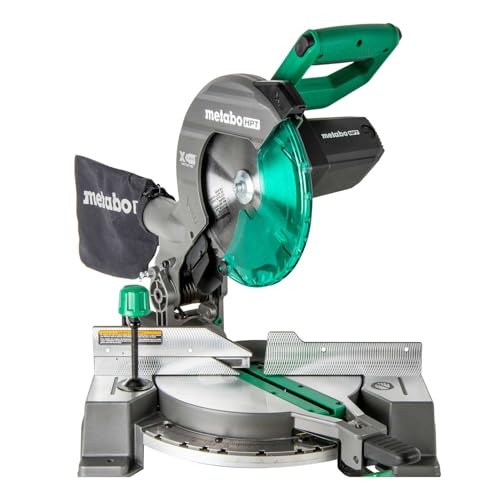
Yes, a miter saw fitted with a specialized rigid foam blade makes fast, accurate crosscuts and bevels on narrower insulation strips. Many woodworkers who already utilize compound miter saws for framing rely on the stationary fence to hold lightweight foam boards firmly in place. You must ensure the blade diameter and arbor match your saw’s requirements before making cuts. Standard wood blades on high-RPM miter saws can melt foam edges, making smooth-edge specialty blades essential for clean results in 2026.
How does a knife-edge circular saw blade eliminate foam dust?
A knife-edge circular blade uses a toothless, razor-ground profile combined with a thermal-break coating to slice rather than chip the foam. Traditional saw teeth shred foam into thousands of tiny, electrically charged beads that cling to clothing and tools. Blades with high-performance ceramic coatings concentrate friction right at the slice point, essentially melting and severing foam cells simultaneously. Manufacturer specifications indicate this cutting action eliminates up to 95 percent of static dust during regular cuts.
Which saw works best for cutting curved or outlet openings in foam boards?
A narrow utility saw or keyhole handsaw works best for cutting electrical receptacle boxes, pipe penetrations, and curved patterns into rigid insulation. While circular saws deliver straight boundary rips, handheld jab saws offer the maneuverability required for interior plunge work. You can trace your outlet box outline directly on the foam facing and plunge the narrow point straight through the sheet. Slow, deliberate strokes prevent cracking the foam substrate or bending fragile foil facings.




Write Your Review
No reviews yet. Be the first to share your experience!