


Precision Angle Cuts Without Bow Deflection
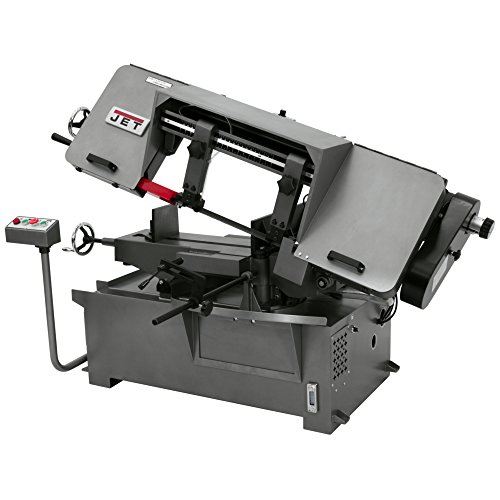
Severe blade flutter and sloppy angle adjustments can turn structural steel into scrap within seconds. When a saw bow flexes during a steep bevel, joints end up with unsightly gaps that require tedious grinding to fix. Investing in the Best Mitering Bandsaw eliminates that headache by keeping the blade tracking true through thick bar stock and heavy pipe. Based on product specifications and user feedback regarding motor ratings and cast iron frames, a sturdy swivel-head design saves precious shop time because your workpiece stays clamped while the bow pivots smoothly.
Long stock also demands balanced downward pressure so blade teeth do not strip on entry. An adjustable hydraulic downfeed cylinder paired with ball-bearing guides maintains a steady feed rate to prevent premature wear. If your project involves fine shaping after cutting, pairing your setup with an oscillator sander for woodworking helps clean up edges quickly. Heavy cast iron blade wheels and integrated coolant delivery provide the thermal stability needed for continuous cutting cycles.




Frequently Asked Questions
What makes a swivel-head saw better than a mitering vise for angle cuts?
A swivel-head design keeps your workpiece clamped stationary while only the saw bow rotates. This eliminates swinging long metal stock across your shop floor when setting an angle. Saws like the JET J-7020M enable quick adjustments up to 45 degrees without disturbing support stands. It saves shop space and preserves repeat cut accuracy.
Can a Best Mitering Bandsaw run on a standard 115V household outlet in 2026?
Yes, models with 1/2 HP to 1.5 HP motors operate on standard 115V single-phase power. Units like the JET HBS-56MVS plug into common workshop outlets without panel upgrades. However, heavy 3 HP saws demand dedicated 230V or 460V circuits. Always verify motor electrical requirements and circuit breaker ratings before installation.
How does an adjustable hydraulic downfeed improve cutting accuracy?
An adjustable hydraulic downfeed regulates bow descent speed to prevent tooth overload. Controlled downward pressure stops the blade from dropping too fast into solid steel bar or structural tubing. Most systems include an on-off valve to pause cutting without altering the set feed rate. This steady pressure produces square cuts and extends blade life.
Why is a built-in coolant system necessary on metal-cutting bandsaws?
A built-in coolant system prevents thermal buildup on blade teeth during heavy friction cuts. Flooding fluid through the guides washes chips away from the cut line and keeps the blade cool. Without coolant, friction heat softens blade teeth rapidly. After cutting, smoothing edges with a DA sander for bodywork prepares clean joints for welding.
What blade TPI should be used for cutting hollow tubing versus solid stock?
Use a finer 10 to 14 TPI blade for thin tubing and a coarser 4 to 6 TPI blade for solid bar stock. Keeping at least three teeth in the cut prevents tooth stripping on thin tube walls. Solid stock needs larger gullets to clear chips efficiently. Matching tooth pitch on your Best Mitering Bandsaw prevents blade binding.


Write Your Review
No reviews yet. Be the first to share your experience!