


Tough wall studs often stall standard drill bits, turning a simple mounting job into an exhausting chore. Dull cutting edges and poor chip clearance generate excess heat, binding your drill motor and tearing up structural timber. Selecting the best drill bit for stud solves this headache by combining sharp tip geometry with durable steel alloys built to resist high-torque friction. Based on our evaluation of flute geometry, split-point angles, and aggregated user feedback, premium bits track straight without drifting across dense wood grain. Efficient flute designs eject chips smoothly, protecting your motor during continuous drilling runs.
Quick-change hex shanks and 135-degree split points eliminate bit slippage inside drill chucks without requiring a center punch. Framing projects demand sustained torque delivery when boring electrical runs, plumbing passes, or lag bolt pilot holes. Clean boreholes also keep work areas tidy before smoothing nearby trim with a detailing sander for finished carpentry. High-speed steel treated with titanium or black oxide coatings resists premature thermal dulling. Reliable accessories make wall drilling smooth, precise, and free of sudden bind-ups.


Frequently Asked Questions About Stud Drilling
What type of drill bit penetrates wooden wall studs most effectively?
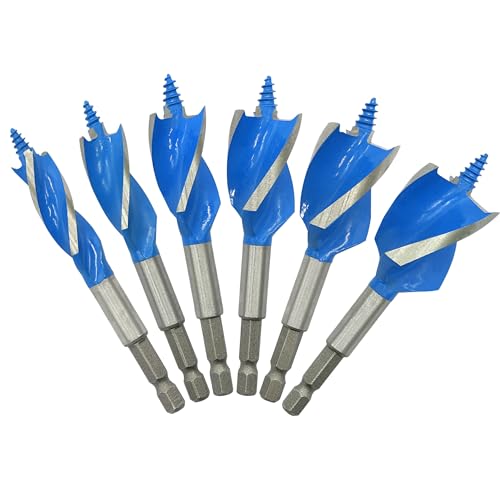
Auger bits and split-point twist bits penetrate wooden wall studs most effectively. Auger designs pull themselves forward using threaded tips, making them ideal for deep utility runs. Split-point twist bits deliver clean pilot holes for heavy brackets. Both options maintain clean tracking without bogging down your cordless drill motor.
Can you use standard twist bits instead of spade bits on studs?
Yes, standard twist bits work reliably on studs for holes under 1/2 inch. Their flutes clear shavings quickly, preventing internal heat buildup against wood fibers. Twist bits also leave cleaner hole edges than spade bits. When renovating around subfloors, leveling adjacent surfaces with a sander for floorboard areas ensures clean final trim fitment.
Why do drill bits wander or skate when starting on a wooden stud?
Drill bits skate when starting because flat tip angles cannot pierce tough wood fibers immediately. Standard 118-degree bits often wander across dense timber grain before biting. A 135-degree split point grips timber surfaces instantly on contact. Feathering your variable speed trigger also prevents wandering during initial entry.
Should you use an impact driver or a drill driver for stud drilling?
Drill drivers are better suited for boring holes, while impact drivers excel at driving screws. Drill drivers provide smooth, continuous rotational torque that prevents splintered hole walls. Impact drivers can drill rough holes with hex bits, but high vibration affects hole precision. Pairing your best drill bit for stud with a dual-speed drill driver yields the cleanest results.
How do black oxide and titanium coatings benefit wood drilling?
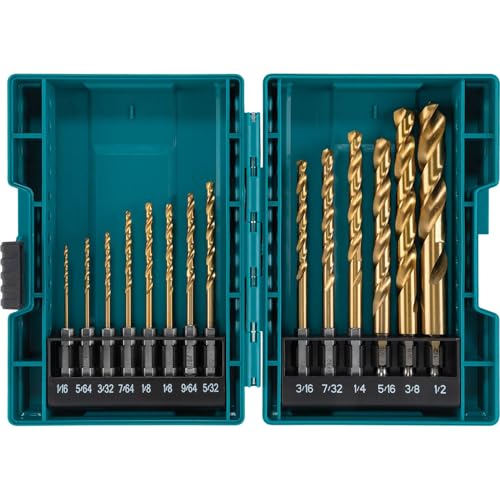
Titanium and black oxide coatings dramatically lower friction during deep timber drilling. Excessive heat inside framing lumber quickly dulls untreated high-speed steel edges. Coated flutes allow wood chips to eject easily, keeping temperatures down under heavy loads. This extra layer extends overall cutting sharpness throughout 2026.
What drill bit diameter is best for standard TV wall mount lag bolts?
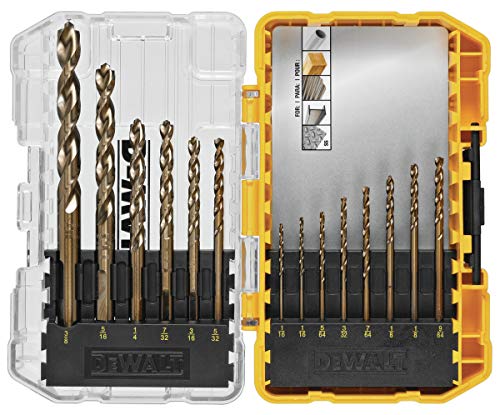
A 5/32-inch or 3/16-inch pilot bit fits standard 5/16-inch lag bolts used in wall framing. Pre-drilling prevents dense wood studs from splitting along the grain under high radial pressure. It also reduces strain on your drill motor and prevents snapped bolt heads. Matching bit diameter to bolt core size ensures maximum holding strength.





Write Your Review
No reviews yet. Be the first to share your experience!