


Shearing off a miniature fastener inside a valuable workpiece stops any restoration or fine assembly right in its tracks. Standard drill bits tend to wander off center, chewing through delicate threads and leaving behind a bigger mess than before. Finding the best drill bit for drilling out micro broken screw requires examining core metallurgy, centering grind profiles, and chuck compatibility. When dealing with tiny diameters, high-speed steel with cobalt fortification or solid carbide provides the rigidity needed to bite into stubborn metal without snapping under light pressure.
Manual pin vises and left-hand reverse bits offer distinct advantages depending on whether you need delicate fingertip control or motorized reverse torque. Just like smoothing tight workpieces with a small area sander, boring into tiny fasteners calls for smooth handling and minimal runout. Based on manufacturer specifications and user feedback across workshop communities, the ideal extraction setup matches low rotational runout with clean flute clearance. Taking your time with steady downward pressure keeps the bit centered and prevents costly damage to surrounding hardware.


Frequently Asked Questions
Can reverse left-hand drill bits remove a micro broken screw without an extractor?
Yes, left-hand drill bits often back out broken screws on their own. As the reverse flutes bite into the screw head in counterclockwise rotation, the friction and cutting torque frequently catch the fastener and unthread it. If the broken screw remains seized, the clean pilot hole left behind allows an alloy spiral extractor to grip and finish the job.
Is solid carbide or cobalt steel better for drilling out tiny broken screws in 2026?
Solid carbide offers superior hardness for hardened fasteners, while cobalt steel provides better flexibility against shearing. When selecting the best drill bit for drilling out micro broken screw, solid carbide easily penetrates tough taps and hardened bolts but can snap if flexed off-axis. Cobalt high-speed steel resists heat effectively and handles minor deflection better during hand drilling.
Why is a pin vise hand drill useful for micro screw extraction?
Manual pin vises provide direct tactile feedback that motorized drills cannot match. Hand twisting gives you total control over feed pressure, which prevents brittle micro bits from snapping inside small electronics, models, or delicate craft pieces. Preparing your nearby surface with a detailing sander after careful extraction helps restore the surrounding wood or plastic cleanly.
What rotational speed works best when drilling into a broken micro screw?
Slow rotational speeds with steady pressure yield the cleanest results. Running a drill too fast generates excessive heat that dulls the cutting edge and work-hardens the damaged screw metal. Keeping your tool under low RPM ensures the bit bites into the metal rather than spinning uselessly over the surface.
How do you stop a micro drill bit from slipping off center?
A sharp center punch mark or carbide scribe indent provides the essential starting pocket. Without a slight center indent, tiny drill bits will skate across the jagged fracture of a broken screw and gouge surrounding threads. Creating a small pilot dimple keeps the bit tracking straight through the centerline of the fastener.
Should you use a standard cordless drill for drilling out micro screws?
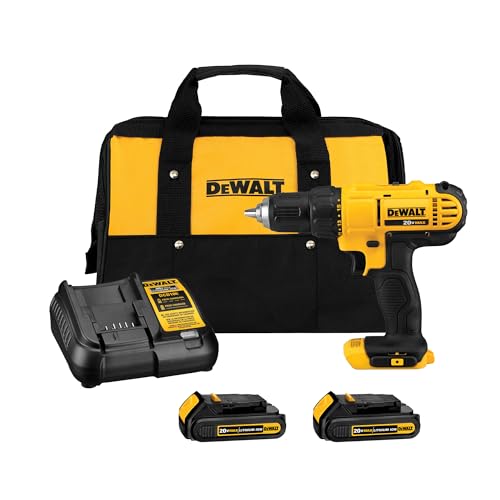
No, standard cordless drill chucks usually cannot clamp bits smaller than one-sixteenth of an inch securely. Most standard half-inch keyless chucks suffer from slight runout and lack the delicate clutch sensitivity needed for sub-millimeter bits. Utilizing a precision pin vise or a micro-chuck adapter prevents chuck wobble and keeps fragile bits intact.




Write Your Review
No reviews yet. Be the first to share your experience!