


Snapping a fresh band loop mid-cut stalls work fast, especially when slicing thick stock or shaping tight curved parts on a busy afternoon. Broken blade stock often ends up in scrap bins, forcing shops to order expensive custom-length replacements that eat into operating budgets. Equipping your bench with dedicated resistance machinery solves this bottleneck by letting you join continuous coils or repair snapped bands right at your workstation. Pinpointing the best bandsaw welding setup requires balancing rapid resistance heating, consistent upset pressure, and precise annealing cycles to prevent brittle joints that snap under high wheel tension.
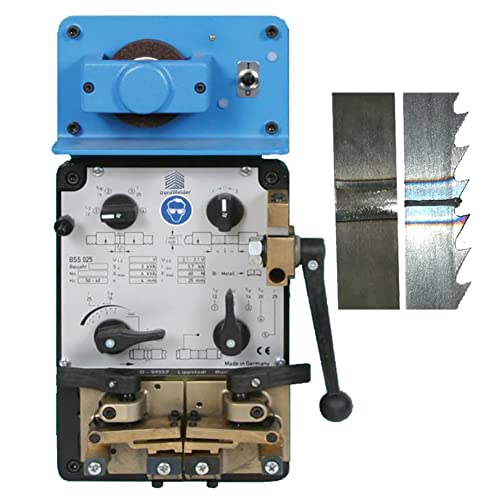
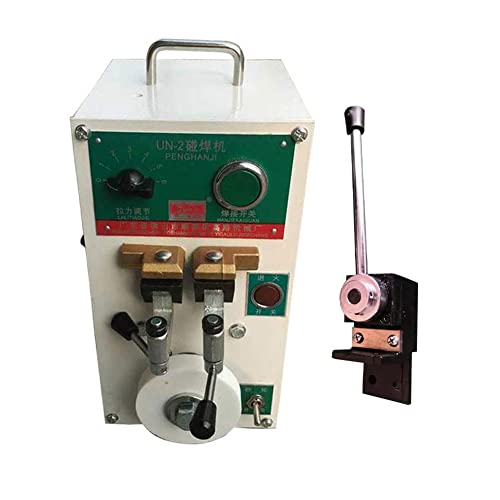
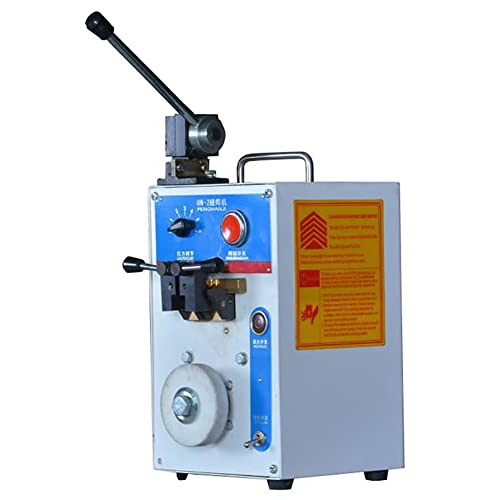
A solid butt-welder setup fuses carbon steel and bimetal bands in just seconds while keeping tooth spacing aligned. Integrated grinding wheels quickly grind down flash and weld beads flush against the blade body, ensuring smooth passes across guide blocks without binding. Pairing smooth cuts with an oscillator sander for woodworking helps clean up curved parts once the blade is back on the wheels. Based on manufacturer specifications and metalworking buyer feedback, having controlled tempering controls ensures the joint stays ductile enough to wrap tightly around drive wheels without stress cracks.



Frequently Asked Questions
Can you weld bimetal blades with the Best Bandsaw Welding units in 2026?
Yes, select high-power butt welders can join bimetal stock, provided the machine delivers adequate upset force and precise annealing current. Bimetal bands combine high-speed steel tooth tips with spring-steel backing, which demands careful temperature moderation so the joint does not turn brittle. Machines offering variable current allow you to slowly draw temper back into the weld zone to withstand high blade tension across cast iron wheels.
Why is the annealing cycle critical during the %best bandsaw welding% process?
Annealing relieves internal stress and restores ductility so the joined band flexes around the wheels without snapping. The intense heat of electrical resistance butt welding creates an extremely hard, brittle joint structure as it rapidly cools. Applying lower-voltage tempering heat softens the weld bead, allowing the metal to absorb dynamic bending stress as it tracks across urethane tires at high feet per minute (FPM).
How do you remove the weld flash after completing a butt weld?
Integrated grinding wheels quickly grind off excess flash flush with the blade body. Most 3-in-1 units feature a side-mounted grinder specifically designed to deburr both flat faces and the back edge of the band. Smoothing the seam prevents guide block friction and keeps your blade tracking true against the rip fence during heavy resaw cuts.
Will an unaligned weld joint cause blade drift on a bandsaw?
Yes, even a slight angular misalignment at the joint introduces severe blade drift and scalloped cut lines. When the back edge is not perfectly square, the blade twitches each time the joint hits the ball bearing guides or cool blocks. Clamping both blade ends firmly against the internal alignment stops ensures straight tracking and prevents vibration against the workpiece.
Can you join narrow scroll-saw bands on a benchtop blade welder?
Most benchtop butt welders accommodate blades as narrow as 1/8 inch or 1/4 inch, up to 3/4 inch or 1 inch widths. Thinner scroll blades require lighter clamping pressure and quick current bursts to avoid burning through delicate tooth profiles. For smoothing fine contours cut with these narrow bands, pairing your setup with a detailing sander for tight spaces delivers clean edges on detailed craft projects.
Does a blade welder require special high-amperage 220V circuits in a home workshop?
No, many compact resistance welders run on standard 110V or 120V household outlets because they only pull high amperage during the two-second welding pulse. Internal step-down transformers drop voltage to around 4V or 5V while ramping up amperage momentarily at the clamping jaws. This design lets garage workshops execute professional band repairs without rewiring dedicated high-voltage breakers.




Write Your Review
No reviews yet. Be the first to share your experience!