


Splintered edges, rough tear-out, and blade wobble ruin expensive lumber faster than almost any other jobsite mistake. Table saws and miter saws rely on balanced plate tension and razor-sharp carbide teeth to deliver smooth glue-line finishes instead of jagged edges. Upgrading your workshop with premium irwin marples circular saw blades helps eliminate friction burn and ensures crisp crosscuts in fine hardwoods. Whether you need a high-tooth count for delicate moldings or a balanced profile matching a specialized saw for cutting chipboard, selecting the proper plate makes all the difference in your workflow.
Laser-cut expansion slots and heat-resistant non-stick coatings keep these plates running cool while minimizing pitch buildup during long workdays. Oversized carbide teeth let you resharpen the cutting edges multiple times, stretching your tool budget across demanding framing or cabinet projects. Based on listed manufacturer specifications and user feedback, picking the right diameter, arbor size, and tooth configuration prevents motor strain and kickback risks. Matching your cutting tool to reliable precision saw blades gives you dependable feed control and cleaner workpieces every time you pull the trigger.


Frequently Asked Questions
What saw types work best with Irwin Marples Circular Saw Blades?
Table saws, miter saws, and standard circular saws accept these blades depending on the specific plate diameter and arbor sizing. Irwin designs select models with 40 to 80 teeth specifically for 10-inch and 12-inch stationary shop equipment, while 7-1/4-inch variations suit handheld tools. Always verify your tool arbor matches the blade bore before installing any cutting accessory.
How does tooth count affect cutting performance on 2026 projects?
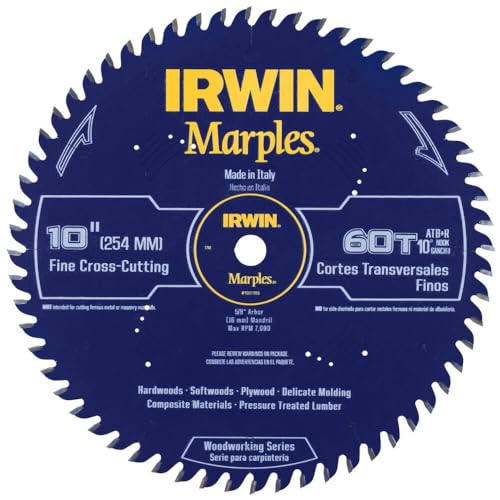
Higher tooth counts produce cleaner, tear-free cuts in plywood and trim, whereas lower tooth counts clear chips faster during heavy rip cuts. An 80-tooth blade works best for delicate finish carpentry and crosscutting expensive veneers without chipping the surface. If your workshop handles mixed materials, selecting dedicated general-purpose blades provides a balance between rapid feed speed and clean edges.
Can these blades cut metals like aluminum or ferrous steel?
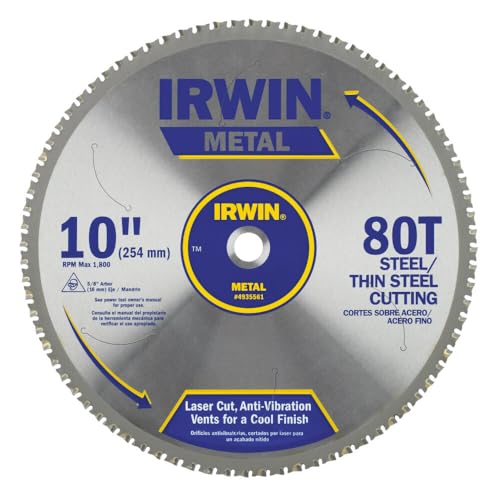
Only dedicated metal-cutting models from Irwin should cut steel or non-ferrous metals, as standard woodworking blades will quickly dull or shatter. Metal-specific blades incorporate specialized impact-resistant carbide teeth and anti-kickback shoulders to withstand extreme cutting pressures. Using standard woodworking plates on metal components poses serious kickback risks and damages the cutting teeth.
What is the benefit of the Alternate Top Bevel design?
Alternate Top Bevel tooth geometry shears wood fibers from alternating sides to produce clean, knife-like cuts on both faces of the board. This configuration reduces splintering on delicate veneers, laminates, and melamine panels. Some specialty crosscut blades also add a raker tooth to flat-bottom the kerf, mimicking the smooth action required for clean cuts in dense plastics and synthetic lumber.
Are the carbide teeth on Irwin Marples Circular Saw Blades resharpenable?
Yes, the oversized carbide teeth on Irwin Marples blades are engineered to be resharpened multiple times by professional sharpening services. This thick carbide layer extends the overall service life of the plate well beyond cheap stamped disposable blades. Regular cleaning to remove baked-on pitch also preserves tooth sharpness and reduces drag against the wood.




Write Your Review
No reviews yet. Be the first to share your experience!