


Precision Torque and Motor Control for Daily Workshop Repairs
A loose bit slipping inside a keyless chuck right as a fastener catches timber throws an entire afternoon off schedule. That sudden slip chews up screw heads and wastes working hours on hardware extraction. Striking the right balance between dependable chuck bite, steady low-end torque, and balanced motor efficiency turns frustrating upkeep routines into painless fixes. Our careful examination of clutch positions, keyless chuck grip, and manufacturer motor specs highlights the best drills for maintenance across home workshops and commercial facilities alike. Pairing a reliable drill driver with a versatile detailing sander for tight spaces makes quick work of surface touch-ups and cabinet refurbishing.
Heavy tools quickly wear out your wrists during overhead bracket mounting or cramped plumbing repairs under sinks. Compact 12V platforms and lightweight cordless kits keep hand strain low while delivering enough variable speed control to protect delicate materials. Whether you are assembling office furniture or drilling pilot holes in dense stock, dependable tools with responsive mechanical clutches prevent stripped fasteners. Evaluating battery platforms and ergonomic balance helps ensure your upkeep kit handles recurring tasks without unexpected stalls.


Frequently Asked Questions
What makes a compact 12V tool effective as the Best Drills For Maintenance?
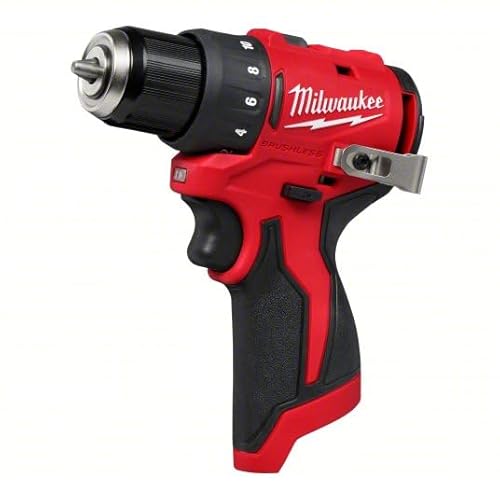
Lightweight balance and steady low-end torque make subcompact 12V models ideal for tight spaces and overhead tasks. These drill drivers fit between narrow framing studs and underneath utility sinks where bulky tools struggle. They provide ample power for driving screws, assembling hardware, and boring small pilot holes without forearm fatigue.
Do you need a hammer drill mode for general maintenance tasks?
No, a standard drill driver handles routine upkeep jobs unless you regularly anchor into concrete or masonry. Mechanical clutch drivers comfortably drill through wood, drywall, and sheet metal without the extra bulk of a percussion mechanism. For hardware fixes and equipment panels, a lighter drill driver remains much easier to control.
How do mechanical clutch settings protect fasteners during maintenance in 2026?
Adjustable clutch collars disengage the drivetrain automatically once a set resistance level is met. This mechanism prevents the tool from over-driving screws through drywall or stripping threads in plastic housings. Lower collar numbers let you sink fasteners flush, while higher settings deliver full torque for dense lumber.
Is a brushless motor necessary for the Best Drills For Maintenance?
Yes, brushless motors offer greater efficiency, longer runtime per battery charge, and extended tool lifespan under regular use. Electronic controllers replace carbon brushes, eliminating internal friction and heat during continuous driving. Brushless designs deliver smoother trigger control and reliable power for recurring repair tasks.
What chuck size is best suited for general facility repairs?
A 3/8-inch keyless chuck handles standard twist bits and driver accessories used for facility upkeep. This diameter keeps the tool nose compact for tight corners while providing rapid bit changes. Just like pairing quick drilling with small area sanding tools, a 3/8-inch chuck keeps daily maintenance agile.




Write Your Review
No reviews yet. Be the first to share your experience!