


Reliable Hardware Mounting Without Wall Damage
Drilling pilot holes into solid framing or delicate drywall can turn into an absolute headache when bits slip, anchors fail, or masonry cracks unexpectedly. Stripped screw heads and accidental wall blowouts often leave homeowners and renters dreading the simple task of hanging hardware. Evaluating the best drill rod alternatives and heavy-duty driver accessories helps eliminate unwanted wall damage while maintaining rock-solid holding power across various surfaces. A quick look at manufacturer specifications and user feedback reveals that pairing the right bracket system with proper wall prep makes all the difference, much like preparing timber with the best detailing sander before final assembly.
Standard keyless chuck setups and rotary hammers both demand dependable accessories, whether you are driving a heavy grounding rod into packed dirt or installing curtain hardware without damaging paint. Many renters and DIY enthusiasts prefer no-drill tension and dual-support systems to avoid security deposit deductions or messy spackling jobs. Robust adhesive bases paired with micro-pins deliver exceptional load-bearing capacity without requiring heavy hammer drills or bulky rotary tools. Analyzing the holding strength, material durability, and surface compatibility of each design ensures your fixtures stay firmly in place without sudden slipping.




Frequently Asked Questions
What is the difference between a traditional drill rod setup and no-drill mounting options in 2026?
Traditional installations require drilling pilot holes with a rotary tool or hammer drill, whereas no-drill setups rely on heavy-duty adhesives, tension springs, or micro-pin brackets. Traditional methods provide permanent mechanical anchoring for heavy loads in masonry or studs. However, modern no-drill brackets featured in 2026 guide selections support up to 30 pounds on smooth walls without damaging drywall or plaster.
Can the Best Drill Rod options hold heavy blackout curtains securely?
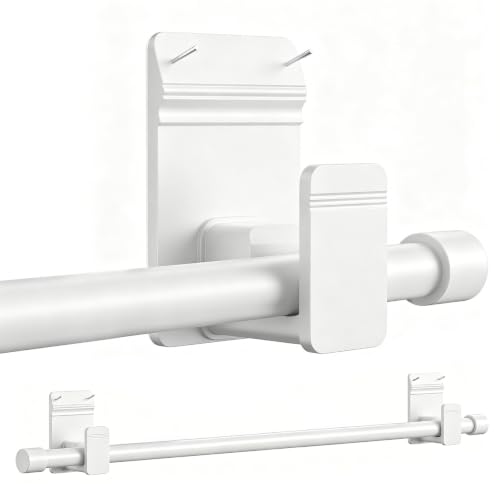
Yes, dual-support brackets combining strong adhesive pads with reinforced traceless nails can reliably support heavy blackout curtains weighing up to 30 pounds. Single adhesive mounts work best for sheer or lightweight fabrics under 10 pounds. When installing over painted drywall, adding the invisible micro-nails distributes the load evenly to prevent brackets from tearing off the wall.
How does an SDS-Plus ground rod driver bit work in a rotary hammer?
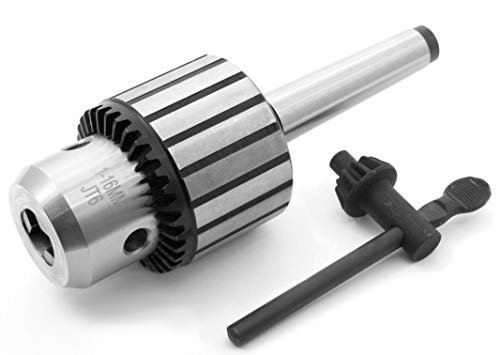
An SDS-Plus ground rod driver bit locks directly into a rotary hammer chuck and operates exclusively in hammer-only mode to drive electrical grounding rods. High-grade forged steel construction withstands intense blows per minute without mushrooming the rod head. This specialized accessory eliminates the need for manual sledgehammers or heavy hydraulic drivers during electrical grounding tasks.
Do adhesive curtain rod brackets damage painted drywall upon removal?
Adhesive brackets can peel paint if pulled off abruptly, but warming them with a hairdryer softens the adhesive for clean removal. Gentle heat loosens the bond so the bracket pulls away cleanly without ripping the drywall paper. If invisible nails were used, the micro-pin holes are smaller than pushpins and disappear easily with a tiny dab of spackle, smooth wall prep, or finishing touch-ups similar to preparing craft pieces with the best oscillator sander.
What wall surfaces are incompatible with adhesive rod brackets?
Heavily textured drywall, chalky plaster, dusty concrete, and damp tile surfaces prevent adhesive brackets from bonding securely. Smooth tile, flat glass, sealed metal, and clean painted wood offer the strongest surface grip for peel-and-stick adhesives. For uneven drywall or masonry, using brackets with traceless nail dual-locks ensures a tight mechanical hold.
Why does a tension curtain rod slip, and how can it be fixed?
Tension rods usually slip when the internal spring tension is too loose or the end caps lack adequate rubber grip against smooth surfaces. Extending the rod roughly an inch wider than the opening before compressing it into position creates the required friction. Cleaning the wall surface with rubbing alcohol before mounting also prevents oils and dust from reducing end cap grip.




Write Your Review
No reviews yet. Be the first to share your experience!