


Chuck wobble and spindle runout can ruin an entire workpiece within seconds when boring into solid metal. Drilling holes for pins, triggers, and receiver components demands rigid stability, clean feed rates, and pinpoint perpendicular alignment that hand drills simply cannot sustain. Selecting the best drill press to make gun parts requires examining spindle travel, cast iron construction, and variable speed control to prevent overheating expensive carbide bits. While heavy metal fabrication requires robust machinery, pairing your bench station with a reliable detailing sander can also help smooth burrs and finish raw components cleanly.
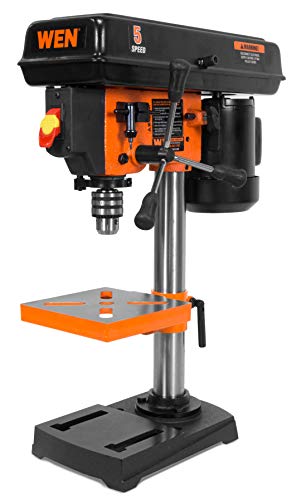
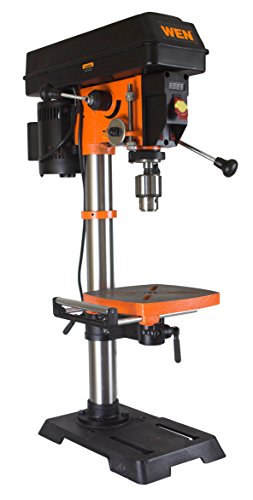
Careful evaluation of motor power, swing clearance, and quill rigidity separates reliable bench drills from underpowered hobby tools. Budget setups often suffer from excessive chuck play, which leads to wandering pilot holes and sloppy pin channels. Whether you need a heavy-duty cast iron model like the WEN 12-Inch Benchtop Drill Press for sustained steel drilling or a compact bench unit for delicate craftwork, having an adjustable depth stop and stable mechanical gearing makes all the difference. Analyzing technical specifications and user feedback reveals that matching your RPM ranges to your specific metal stock delivers the cleanest bores and longest bit life.



Frequently Asked Questions About Precision Drilling
What spindle speed is ideal for drilling steel and firearm components?
Lower spindle speeds between 500 RPM and 1,000 RPM are ideal for boring into carbon steel and dense metals. High rotational speeds cause excessive friction, dulling drill bit cutting flutes and hardening the workpiece surface. Using cutting fluid alongside mechanical variable speed maintains optimal torque while keeping temperatures under control.
How does chuck runout affect firearm part fabrication?
Spindle and chuck runout causes bit wobble, resulting in oversized holes and misaligned pin channels. In precision gunsmithing, tolerances are often held to thousandths of an inch, meaning any play in the drill quill can ruin critical trigger or safety pins. Cast iron benchtop models with tight quill tolerances minimize wobble for repeatable, perpendicular accuracy.
Can a mini benchtop drill press handle drilling steel receiver parts?
Compact mini benchtop drill presses can drill softer metals like aluminum and thin brass, but they lack the rigid spindle and torque required for thick steel. Models featuring small 795 DC motors work well for fine hobby crafts and small modeling pins. For drilling dense firearm steel, a heavy-duty induction motor drill press with a 1/2-inch keyed chuck is necessary.
What is the benefit of a magnetic drill press for heavy metal fabrication?
Magnetic drill presses provide extreme holding force directly onto thick steel plates, eliminating vibration and slip during heavy core drilling. With thousands of pounds of magnetic adhesion, tools like the VEVOR 1550W Mag Drill Press excel at deep coring on heavy structural steel. However, magnetic bases require flat ferrous surfaces and are less practical for small, irregular gunsmithing components.
Why is a cast iron base necessary for precision metal drilling?
Heavy cast iron absorbs motor vibrations and prevents the tool from flexing during downward quill pressure. Clean drilling requires absolute rigidity so the cutting bit enters at a pure 90-degree angle. Just as finishing metal frames often benefits from a stable oscillator sander on your workbench, a solid cast iron drill press base keeps your worktable flat and stable under pressure.
How deep of a spindle travel is needed for custom workshop drilling?
A spindle travel between 2 inches and 3-1/8 inches provides sufficient depth for virtually all receiver holes and custom brackets. Limited stroke depth forces you to reposition the worktable repeatedly, which risks losing zero alignment. Opting for a drill press with an adjustable mechanical depth stop ensures uniform hole depths across multiple operations.




Write Your Review
No reviews yet. Be the first to share your experience!