


Motor stalling midway through dense structural steel or thick oak slabs ruins clean cuts and wastes expensive stock. When a drill spindle bogs down, excessive heat builds up rapidly, threatening to scorch your workpiece or burn out internal windings. Selecting the best drill press motor requires balancing electrical draw, sustained torque output, and continuous thermal cooling under sustained loads. Workshop setups often pair precision drilling equipment alongside a reliable oscillator sander for woodworking to clean up bored parts seamlessly. Analyzing motor architectures helps separate underpowered utility drives from heavy-duty workhorses designed for repeated shop duty.
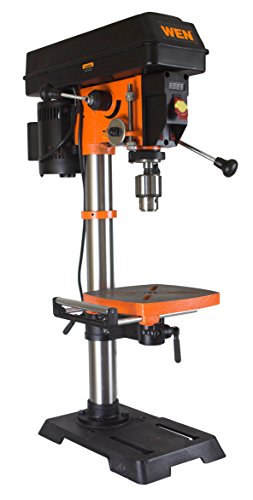
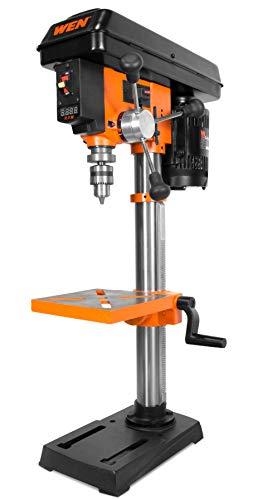
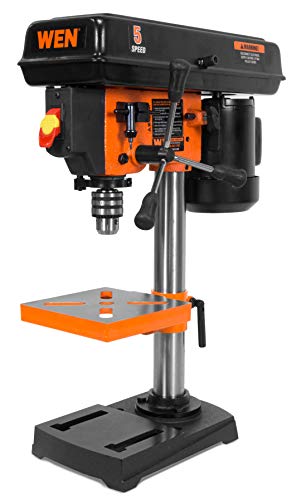
Induction powerplants dominate traditional cast iron drill presses, relying on consistent magnetic fields rather than wearable carbon brushes. Models equipped with robust 6.2-amp induction motors maintain steady rotational momentum across varied pulley speeds or mechanical variable drives. For portable jobsite metal fabrication, copper-wound magnetic drill motors pushing 1450W to 1550W deliver the sheer brute force needed to drive large annular cutters through structural steel. Looking closely at manufacturer ratings, duty cycles, and gearbox setups ensures you get dependable drilling torque without unexpected power cutouts.



Frequently Asked Questions
What motor amperage is ideal for a general workshop drill press?
A motor drawing between 5 and 6.6 amps provides the optimal sweet spot for versatile workshop drilling. This electrical capacity delivers sufficient low-end rotational torque to turn heavy Forstner bits in dense hardwoods or hole saws in plate metal without bogging down. Lower 2.3A to 2.5A motors handle light hobby crafts and thin stock well, but larger commercial fabrication demands more electrical overhead.
Why do induction motors outperform brushed motors on stationary drill presses?
Induction motors provide brushless magnetic operation that ensures quieter running, longer continuous service life, and reduced thermal buildup. Because induction motors lack friction-generating carbon brushes, they require zero commutator maintenance and run far cooler during prolonged drilling cycles. This design delivers smooth, vibration-free rotation, which keeps spindle runout low for exacting woodworking joints. Once pieces are drilled and assembled, craftsmen often utilize a compact detailing sander for tight spaces to refine intricate corners.
How does motor wattage affect magnetic drill press performance on steel?
Motor wattage directly dictates the maximum coring diameter and sustained cutting torque when boring structural metal. A 1450W or 1550W copper motor generates enough low-RPM torque to push 2-inch annular cutters through thick I-beams without stalling. Higher wattage ratings also ensure stable rotational speeds under heavy downward feed pressure, reducing cutter chatter and premature bit dulling.
Can mechanical variable speed motors maintain high torque at lower RPM settings?
Yes, mechanical variable speed systems maintain steady motor torque even as spindle RPM drops. Unlike purely electronic dial controls that reduce voltage, mechanical pulley systems preserve motor efficiency while altering rotational ratios. This mechanical advantage delivers strong torque at 530 to 580 RPM for drilling stainless steel or hard metals.
How do safety overload features protect high-power magnetic drill motors?
Internal overload protection automatically cuts power to the motor windings if current draw spikes past safe operational thresholds. Rapid cooling ducts and thermal sensors prevent severe overheating when annular cutters bind inside deep steel bores. This preventative feature preserves the copper armature from thermal breakdown during demanding jobsite fabrication projects.
Does a heavier cast iron base improve drill press motor performance?
Yes, a heavy cast iron structure dampens motor harmonic vibrations and stabilizes spindle rotation during heavy drilling passes. High mass prevents the drill head from shifting or chattering when boring large diameter holes in dense materials. This structural rigidity allows the induction motor to transfer torque smoothly into the workpiece without losing mechanical alignment.



Write Your Review
No reviews yet. Be the first to share your experience!