


Snapping a tap inside a firearm receiver or watching a drill bit wander across hardened steel ruins a project instantly. Gun bench work demands exceptional runout accuracy, tight chuck security, and smooth trigger control that standard home tools often fail to provide. Whether mounting scope bases, clearing stuck action screws, or tapping threads into alloy metal, selecting the Best Drill For Gunsmith prevents costly mistakes. Fine firearm modification requires matching low rotational speeds with premium high-speed steel or cobalt tooling to stop heat buildup before it work-hardens the steel.
Analyzing manufacturer torque curves, clutch sensitivity settings, and tap compatibility reveals how critical gentle power delivery is for bench gunsmithing. Cordless drill drivers with sensitive mechanical clutches help you fasten delicate screws without stripping aluminum optic rings, while matched drill bits ensure clean, centered pilot holes. When your gun bench projects extend to custom stock shaping or wood refinishing, using a detailing sander helps smooth hardwood surfaces alongside your metal tasks. Balanced, reliable tools give you the steady feel needed for both metal fabrication and routine firearm maintenance.


Frequently Asked Questions
Can a standard cordless drill driver handle gunsmithing drilling and tapping?
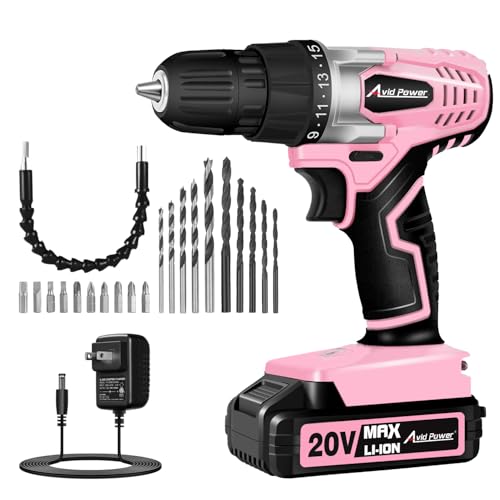
Yes, a variable-speed cordless drill driver handles light firearm drilling and fastener installation effectively when set to low RPM. Dual-speed gearboxes and sensitive mechanical clutch collars prevent stripped threads on small screws, though tapping fragile holes requires light feathering of the trigger. For tapping hardened receivers, hand-guided alignment or tapping fixtures offer more tactile feedback than running a drill at high speeds.
Why are cobalt drill bits recommended when working on firearm receivers?
Cobalt drill bits resist extreme heat and maintain sharp cutting edges against heat-treated alloy steels. Firearm barrels and actions often feature hardened metals that dull standard high-speed steel bits within seconds. Using cobalt alloy bits with proper cutting fluid prevents bit glaze and keeps your pilot holes true without work-hardening the metal.
What makes #6-48 and #8-40 taps standard for gunsmith projects?
These fine-thread pitches provide superior thread engagement in thin-walled firearm receivers without compromising metal integrity. A #6-48 tap serves as the industry standard for mounting iron sights and traditional optic bases on factory rifles. The slightly larger #8-40 size provides added shear strength for heavy-recoiling calibers or stripped hole repairs.
How does chuck runout affect delicate gunsmithing holes?
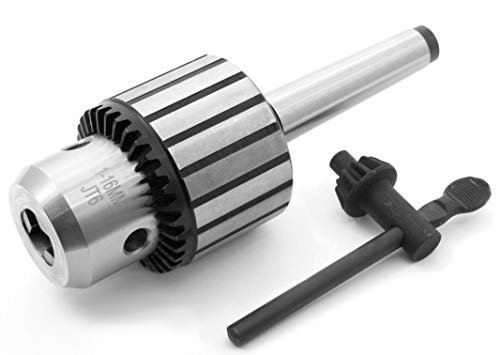
Chuck runout creates bit wobble that enlarges pilot holes and causes taps to bind or break off in the workpiece. Even fractional thousandths of an inch of runout will skew screw alignment and misalign precision scope bases. Using a quality 3/8-inch or 1/2-inch chuck with tight radial tolerances ensures straight, clean holes every time.
How can you smooth wooden rifle stocks during custom firearm bench work?
Careful surface sanding with an oscillator sander helps level dense walnut or laminate blanks evenly before fitting action components. Power sanding tools speed up stock shaping, but delicate inletting around the trigger guard and receiver tang requires steady hand rasps. Blending mechanical sanding with hand detailing prevents dishing out precision bedding areas.
What features should you prioritize when seeking the Best Drill For Gunsmith in 2026?
Low-RPM variable speed triggers and multi-position torque clutches represent the most critical features for firearm tasks. High torque is less important than smooth start-up control, precise chuck centering, and lightweight balance. Pairing a sensitive 20V drill driver with dedicated gunsmith tap kits ensures clean installations without damaging sensitive components.




Write Your Review
No reviews yet. Be the first to share your experience!