


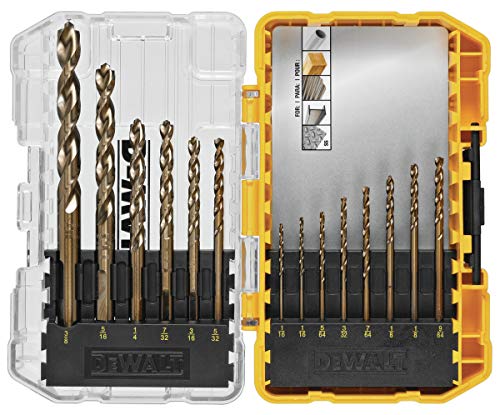
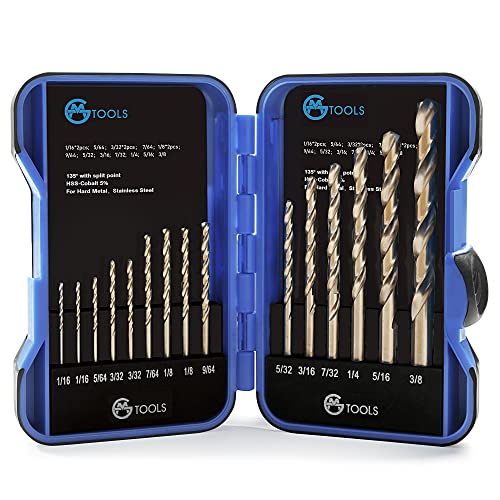
Drill bits burning up within seconds against hardened stainless steel is one of the most frustrating garage headaches. Standard titanium or high-speed steel twist bits often lose their edge the moment they meet abrasive cast iron, leaving you with work-hardened metal, scorched flutes, and zero progress. That is where grabbing the best drill bits cobalt saves the day. These cutting tools blend high-speed steel with five to eight percent cobalt alloy, creating incredible heat resistance that cuts through tough stock without melting the tip. Whether you are boring mounting brackets or prepping panels with a DA sander for bodywork, having bits that hold an edge makes all the difference.
Careful evaluation of manufacturer specifications and user feedback reveals that flute design and point geometry matter just as much as metallurgy. A quality 135-degree split point keeps your drill centered, preventing that irritating walking across smooth sheet metal. Meanwhile, heavy-duty web construction provides sustained drilling torque and reduces wobble in a standard keyless chuck. We analyzed cutting performance ratings, jobber length stability, and metal alloy compositions to help you secure the best drill bits cobalt that won’t give up when the job gets tough.


Frequently Asked Questions
What makes M42 cobalt drill bits different from M35 cobalt bits?
M42 cobalt bits contain roughly eight percent cobalt alloy, whereas M35 bits feature five percent cobalt. This extra cobalt in M42 options provides higher heat resistance and superior surface hardness for abrasive materials like titanium and cast iron. However, M35 bits are slightly less brittle, making them an excellent all-around choice for handheld drilling in stainless steel and sheet metal.
Can you use the best drill bits cobalt on standard wood and plastic?
Yes, cobalt bits will easily drill through wood, plastics, and composites. Their extreme hardness cuts clean holes without dulling, though their 135-degree tips are optimized for metal rather than rapid chip clearance in soft timber. If you frequently jump between structural metal fab and cabinetry or fine woodworking, these bits handle the crossover without issue.
Do cobalt drill bits require cutting fluid when drilling hardened metal?
Yes, applying cutting fluid or light motor oil significantly extends bit life during heavy metal drilling. While cobalt alloy tolerates intense friction heat better than standard high-speed steel, keeping the cutting edge cool prevents thermal shock and preserves sharpness. Regulating your drill speed between 200 and 1,000 RPM also keeps operating temperatures manageable.
Why do cobalt drill bits feature a 135-degree split point instead of 118 degrees?
A 135-degree split point provides a flatter cutting angle that bites immediately into dense metal surfaces without walking. Standard 118-degree tips work well in softer materials but tend to skate across hardened steel unless you punch a deep center mark. This self-centering geometry allows cleaner pilot holes and reduces chuck runout stress on your drill motor.
How do you prevent cobalt drill bits from snapping in a handheld drill?
Maintain steady, perpendicular downward pressure and avoid rocking the tool side to side. Because cobalt alloy is harder and more brittle than standard carbon steel, lateral deflection easily snaps smaller diameter shanks. After making your clean holes, you can clean up surrounding burrs or tight edges with a detailing sander for tight spaces for a clean finish.




Write Your Review
No reviews yet. Be the first to share your experience!