


Slick calcium carbonate surfaces frequently deflect standard twist bits, sending cutting tips skidding across delicate workpieces and cracking valuable materials before a hole even starts. Controlling dense, brittle stock requires dependable chuck gripping strength, low runout, and cutting edges that shed friction rapidly. Selecting the best drill bit for quahog shell requires balancing sharp cutting flutes, wear-resistant coatings, and self-centering tips to prevent fractures. Many crafters pair these piercing bits with a drill applicator for buffing and polishing once detailed work wraps up.
Standard drill bits dull quickly against mineralized layers, generating heat that ruins fragile stock. Titanium-coated bits with split points cut through tough calcium layers cleanly while spiral flutes evacuate fine powdered swarf before binding occurs. Analyzing tool specifications, flute geometry, and artisan feedback reveals that moderate rotational speed and side-cutting flutes deliver the cleanest pierce through dense marine shells. For custom shaping before boring fine holes, some makers also keep a saw for arts and craft nearby.


Frequently Asked Questions
Which drill bit point angle works best on curved quahog shells?
A 135-degree split point provides the most reliable centering on smooth shell contours without slipping. Unlike traditional 118-degree tips that skate across polished calcium layers, a split point bites immediately on contact. This eliminates center punching, reducing the danger of structural stress fractures in brittle material.
Why do titanium coatings benefit drilling hard marine shells?
Titanium nitride coatings significantly reduce friction and thermal transfer during sustained drilling. Piercing dense shell structures generates intense heat that rapidly dulls untreated steel edges. The hardened titanium surface layer extends cutting longevity, ensuring smooth spiral flute chip evacuation and cleaner hole perimeters.
What drill speed and feed pressure prevent shell cracking?
Moderate speeds between 1,000 and 2,500 RPM combined with light feed pressure prevent shell fractures. Excessive feed force binds the bit flutes and shatters delicate blanks. Letting the sharp cutting edges work gradually while adding occasional water drops keeps temperatures cool and suppresses fine dust.
Can serrated side-cutting twist drill bits enlarge holes safely?
Yes, serrated side-cutting bits allow gradual lateral reaming once the initial pilot hole is established. The integrated middle serrations grind material horizontally, giving crafters controlled bore expansion without changing bits. When shaping inlays alongside a saw for cutting out wood shape, this lateral cutting capability speeds up groove processing.
Is a drill press better than a cordless drill for shell work?
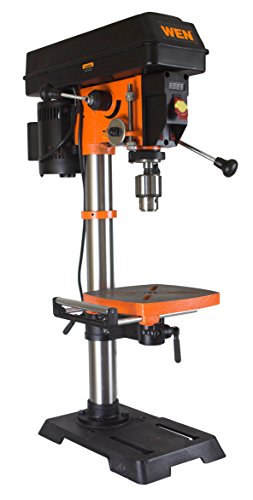
A drill press offers superior runout accuracy, but a variable speed cordless drill driver provides sufficient control when held steadily. Minimizing chuck runout is crucial because rotational vibration fractures thin shell walls. Using a smooth variable speed trigger allows you to start slowly before ramping up.




Write Your Review
No reviews yet. Be the first to share your experience!