


Fastening Demands and Precise Torque Control
Stripped screw heads and sudden cam-out can ruin an afternoon project in seconds. Driving hardware into dense lumber or delicate cabinetry demands the right balance of low-speed control and rotational muscle so you don’t snap fasteners or mar finished stock. Selecting the best drill for screw applications requires looking past raw power and focusing on responsive torque collars, ergonomic balance, and sensitive triggers. A tool that bogs down under load wastes time, while an overpowered driver without clutch protection quickly chews through fastener recesses.
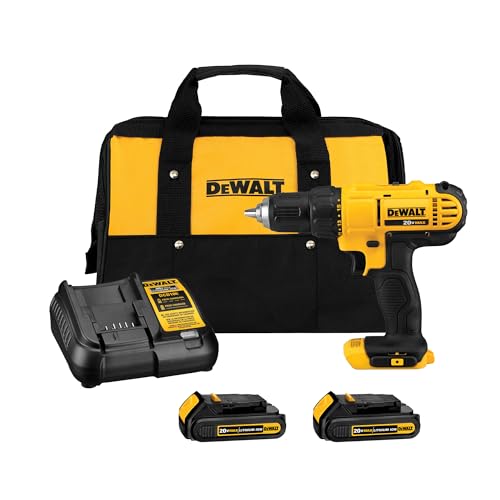
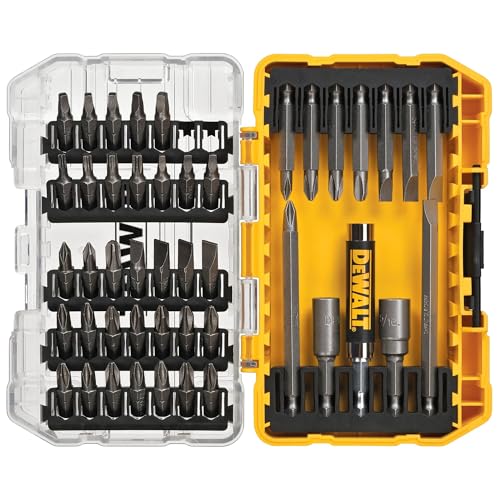
Careful analysis of manufacturer specifications and real-world feedback reveals that precise mechanical clutch settings make all the difference for consistent depth. Dual-speed gearboxes allow you to toggle between quick boring and controlled screwdriving without breaking a sweat. When smoothing out workpieces alongside a reliable oscillator sander for woodworking projects, having dependable driving gear keeps your assembly line humming. Whether you need a compact 3.6V driver for assembling flat-pack dressers or a 20V drill kit for heavy framing fasteners, pairing solid bit sets with dependable motors prevents common jobsite headaches.




Frequently Asked Questions
What clutch setting works best for driving screws into drywall and softwoods?
Start at the lowest numbered setting and incrementally increase torque until the fastener sits flush. Soft materials strip easily under high rotational force, so setting the collar between positions 3 and 6 disengages the drivetrain before the head sinks too deep. This mechanical slip protection prevents paper tearing on drywall and preserves pre-drilled holes in soft pine. Adjusting the clutch saves you from costly patch jobs.
Can a cordless drill driver replace a dedicated impact driver for screwdriving?
Yes, a standard drill driver easily handles most household screwdriving tasks and offers superior depth control. Mechanical clutch collars on drill drivers allow micro-adjustments that prevent overtightening, which impact drivers often lack. Impact drivers deliver violent rotational bursts ideal for long structural lag bolts, but the best drill for screw jobs in cabinetry remains a versatile variable-speed drill driver. You get both clean drilling and delicate fastener driving in a single tool.
Why do screw heads strip when driving fasteners with a power drill?
Fasteners strip when bit slippage occurs under excessive rotational speed and misaligned downward pressure. Using worn driver bits or failing to seat the bit squarely in the recess causes cam-out, grinding away the fastener head. Mismatched bit sizing, such as using a #1 Phillips bit in a #2 recess, also guarantees slippage. Backing off the trigger speed and leaning directly behind the tool axis keeps bits locked firmly into place.
What should you do when a screw strips completely during a 2026 project?
A dedicated damaged screw extractor set is the most reliable way to pull out stripped hardware without ruining the workpiece. Extractors use a reverse-threaded burnishing end to cut into the damaged head, followed by a gripping thread that backs the screw out in reverse. If you often repair antique furniture or prep trim alongside a detailing sander for tight spaces, keeping an extractor kit in your toolbox prevents ruined lumber and scrapped assemblies.
Does battery voltage alter screwdriving control and precision?
No, voltage primarily dictates total torque and runtime rather than delicate control. Higher 20V Max platforms provide sustained muscle for boring large holes and driving structural screws, while 3.6V or 12V tools offer lighter weight for delicate electrical fixtures. Delicate driving accuracy depends on a sensitive variable speed trigger and calibrated clutch settings rather than pure pack voltage. Choose the voltage platform that balances wrist fatigue against the fastener sizes you regularly drive.
Are mini 3.6V electric screwdrivers adequate for home maintenance?
Yes, compact 3.6V screwdrivers deliver plenty of power for switch plates, cabinet hinges, and flat-pack furniture assembly. These lightweight tools eliminate wrist strain while preventing the thread-stripping damage that heavy 20V tools can cause on small hardware. They fit neatly into tight drawers and offer simple USB recharging for quick touch-ups. For general home upkeep that avoids heavy framing timber, mini electric drivers excel at everyday fastening.




Write Your Review
No reviews yet. Be the first to share your experience!