


Reliable Carbide Tips for Tough Brick and Concrete
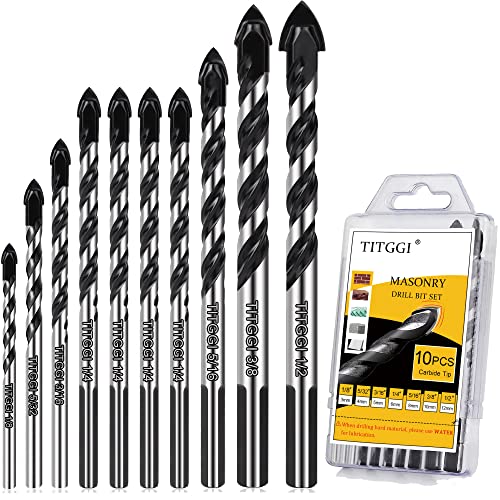
Dull percussion tips skating across dense brick will quickly overheat your drill motor and ruin clean anchor holes. Experienced DIYers and trade workers know that the best drill bits masonry prevents aggressive bit binding while protecting hammer drill gearboxes from excessive stress. Deep double fluting clears pulverized rock dust efficiently, ensuring the sustained drilling torque of your tool translates into fast penetration rather than wasted friction. When prepping jobsites alongside cleanup or surface prep with a Milwaukee sander, robust carbide brazing keeps your bits sharp across hundreds of hammer cycles.
Careful analysis of manufacturer specifications and jobsite feedback shows that tip geometry directly impacts hole concentricity and anchor holding strength. Standard rotary drill chucks require strong grip flats or hex shanks to eliminate chuck slippage when hammering through tough poured footings. Investing in heat-treated masonry bits ensures your 1/2-inch drill driver or cordless hammer drill punches through cinder block, brick, and stone without cracking delicate face materials.


Frequently Asked Questions
Can standard drill drivers use masonry drill bits effectively?
Yes, but only in softer masonry materials like brick, mortar, or plaster. Standard rotary drills lack the rapid mechanical blows per minute (BPM) provided by hammer drills to pulverize hard aggregate. Pushing a standard drill into poured concrete with the best drill bits masonry of 2026 will generate excessive thermal friction and dull the carbide tip prematurely.
What is the difference between percussion masonry bits and SDS-plus rotary hammer bits?
Percussion masonry bits use straight or hex shanks designed for standard three-jaw drill chucks, while SDS-plus bits feature slotted shanks built for heavy-duty rotary hammers. Standard hammer drill bits work well for light anchoring and tapcon screws up to 1/2-inch in diameter. SDS-plus bits lock mechanically into the chuck to transfer significantly higher impact energy without slipping during continuous heavy slab drilling.
How do hex shank masonry bits prevent chuck slippage?
Hex shanks provide flat gripping surfaces that prevent the chuck jaws from spinning freely under heavy rotational resistance. Round shanks can slip inside keyless chucks when the carbide head bites into hard aggregate, which damages both the shank and the chuck jaws. Using 1/4-inch hex masonry bits ensures positive drive engagement, making them suitable for both impact drivers and hammer drills.
Should you use water or lubrication when drilling masonry with carbide bits?
No, you should generally drill concrete and brick dry when using standard percussion carbide bits. Rapidly cooling a red-hot carbide tip with cold water can cause thermal shock, causing the brazing to fail or the carbide tip to crack. Instead, pulse your drill trigger and back the bit out periodically to clear dust from the flutes and allow air cooling.
Why do masonry drill bits overheat and stop drilling into concrete?
Overheating occurs when packed concrete dust cannot escape the hole or when the drill motor speed is too high. Excessive RPM without sufficient downforce grinds the carbide head against dust rather than fracturing stone. Running your hammer drill at moderate speeds while keeping the flutes clear ensures the best drill bits masonry cuts clean anchor holes without burning out the tip. Just as managing dust buildup is essential when operating a detailing sander for tight spaces, clearing masonry powder prevents tool bind-up.
How can you tell when a masonry drill bit needs replacement?
A masonry bit is worn out when the carbide cutting edges round off or the brazed tip chips away. Once the carbide tip loses its chisel profile, the bit will produce fine burning powder instead of chipping concrete aggregate. Continuing to force a dull masonry bit causes severe drill motor strain and creates undersized holes that prevent concrete screws from anchoring securely.




Write Your Review
No reviews yet. Be the first to share your experience!