


Tackling Tough Stock Without Stripping Teeth
Stripped teeth, crooked tracking, and rough cuts can ruin an afternoon in the metal shop faster than dull stock. Finding the right band saw blade for metal keeps your cut lines square and prevents premature heat wear on your motor. Whether you fabricate frames out of angle iron or slice thin non-ferrous tubing like brass and aluminum, matching tooth pitch and metallurgy to your workpiece prevents broken blades. Just like pairing dedicated rip blades for clean table saw cuts in a woodworking shop, selecting the correct metal-cutting bandsaw band makes clean work effortless.
Bi-metal construction offers flexibility around saw wheels while maintaining a hardened cutting edge across structural shapes and solids. A reliable bi-metal band saw blade handles the intense friction of structural tubing, sheet metal, and bar stock without premature dulling. Based on manufacturer specifications and workshop feedback, variable tooth pitches help dampen harmonic chatter during heavy cuts. Picking the proper length, width, and tooth profile ensures straight, predictable cuts across every piece of metal stock you clamp down.

Pros
- Durable M42 bi-metal material handles frequent use without dulling quickly
- Variable tooth pitch reduces vibration and produces cleaner cuts on thin materials
- Compatible with many 93-inch bandsaw models, including popular 7x12 units
- Affordable replacement option for worn blades without sacrificing quality
- Good choice for cutting thin-walled tubing and profiles with minimal burr
Cons
- Not designed for cutting wood or non-ferrous metals efficiently; use a dedicated blade for those materials
- May require proper tension and speed adjustments on your saw for optimal cutting performance
- Limited to saws that accept 93-inch blades; verify compatibility before purchase
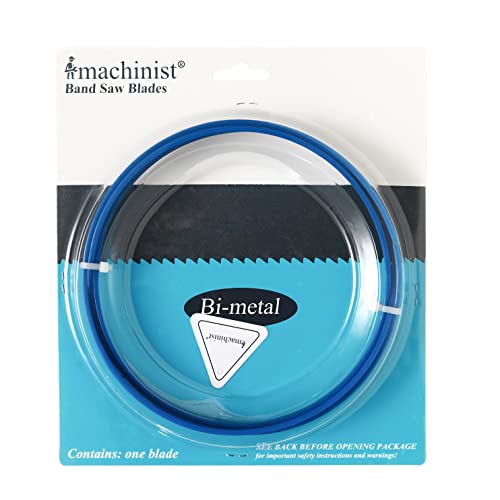
The Imachinist S933414 is a bi-metal band saw blade built for cutting soft ferrous metals, making it a practical addition to any garage, workshop, or job site. With a 93-inch length, 3/4-inch width, and a variable 10/14 TPI tooth pattern, this blade is designed to handle thin pipes, tubes, and profiles commonly encountered by mechanics, contractors, electricians, plumbers, and DIY homeowners. Whether you're working on automotive repairs, metal fabrication, or plumbing modifications, this blade offers a reliable cutting solution.
When it comes to real-world performance, the M42 bi-metal construction provides excellent wear resistance, helping the blade maintain its edge over repeated use. The variable tooth pitch (10/14 TPI) reduces vibration and chatter, resulting in smoother cuts with less effort. This is especially beneficial when cutting thin-walled materials that might otherwise snag or distort. Users can expect efficient cutting of mild steel, angle iron, and other soft ferrous metals, making it a solid choice for shop tasks that demand precision and productivity.
Build quality is a highlight here. The blade is made from high-speed steel teeth bonded to a flexible alloy steel back, giving it both cutting hardness and the ability to withstand tension without cracking. The 0.035-inch thickness strikes a good balance between rigidity and flexibility, allowing it to navigate around curves while staying straight on straight cuts. The silver finish adds a layer of corrosion resistance, which is helpful in humid basements or garages where moisture might be present.
Setup is straightforward on any bandsaw that accepts 93-inch blades - simply open the saw, thread the blade around the wheels, and tension it according to your saw's specifications. Maintenance is minimal: keep the blade clean and dry when not in use, and avoid forcing it through cuts to extend its lifespan. Storage is simple too; just hang it or keep it in a dry drawer to prevent accidental damage.
One realistic limitation is that this blade is specifically designed for soft ferrous metals and thin sections. It won't perform well on wood or non-ferrous metals like aluminum or brass, so you'll want a dedicated blade for those materials. Also, because it's a fixed 93-inch length, it only fits bandsaws that accept that size - be sure to check your saw's blade length requirement before ordering.
Overall, the Imachinist S933414 M42 bi-metal band saw blade is a dependable option for anyone needing a sharp, durable blade for cutting mild steel, pipe, and tubing. Its variable tooth design and robust construction make it a practical investment for mechanics, contractors, and workshop users who want consistent results without breaking the bank.
Pros
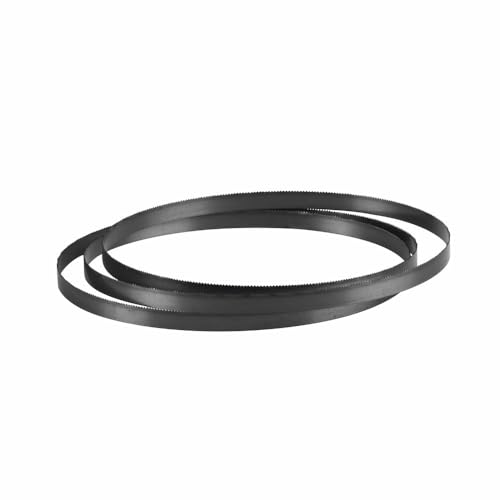
- Excellent cutting performance on soft metals like aluminum, copper, and bronze with clean edges.
- Durable bi-metal construction resists heat buildup and extends blade life in demanding applications.
- Precision laser-cut teeth ensure consistent cut quality and reduce vibration during operation.
- Compatible with a wide range of stationary band saws, making it a versatile addition to any shop.
- Lightweight and easy to install, even for users with limited mechanical experience.
Cons
- Specifically designed for soft metals; not suitable for cutting steel, stainless steel, or other hard alloys.
- Limited to 18 TPI, which may not be ideal for very thin materials or intricate curves.
- No included storage case or blade guard, so users should store carefully to avoid damage between uses.
The Bosch BS5912-18MA is a 59.5-inch, 18 TPI metal-cutting band saw blade that targets users who frequently work with soft non-ferrous metals like aluminum, copper, and bronze. It's a purpose-built blade for stationary band saws, making it a solid choice for DIY homeowners tackling metal projects, mechanics fabricating brackets or repairs, and contractors or metalworkers who need clean, efficient cuts in softer materials.
In terms of real-world performance, this blade emphasizes cutting efficiency and durability. The bi-metal construction combines a high-speed steel tooth edge with a flexible alloy steel back, which helps resist heat buildup - a common cause of premature blade wear. Users can expect smooth, burr-free cuts with minimal vibration, thanks to the optimized tooth geometry and laser-cut precision. This translates to faster work and less time spent deburring or re-cutting.
Build quality is a highlight. Bosch uses advanced laser-cutting technology to manufacture each blade to exact specifications, ensuring consistent tooth shape and set. The materials are chosen for heat resistance and wear resistance, which means the blade stays sharp longer than standard carbon steel blades. While the blade itself is lightweight at 0.17 pounds, it feels sturdy and well-balanced during operation.
Setup and storage are straightforward. The blade installs on most standard stationary band saws without special tools, and its 59.5-inch length fits common models. Since it doesn't come with a case, you'll want to store it in a dry place, ideally in a blade rack or protective sleeve, to prevent damage to the teeth. Maintenance is minimal - just keep the blade clean and avoid forcing it through cuts.
One realistic limitation is that this blade is specifically engineered for soft metals. It won't perform well on steel, stainless steel, or hardened alloys, so you'll need a separate blade for those materials. Additionally, the 18 TPI pitch is a good middle ground for general soft-metal cutting but may not be ideal for very thin sheet metal or intricate contour work. For most workshop and garage applications, though, it hits the sweet spot between speed and finish.
Overall, the Bosch BS5912-18MA is a reliable, durable blade that delivers consistent results for soft-metal cutting. Whether you're a hobbyist building a custom aluminum frame, a mechanic repairing copper tubing, or a contractor fabricating bronze fixtures, this blade offers the precision and longevity you need. It's a practical investment for anyone with a stationary band saw who regularly works with non-ferrous metals.
The Bosch BS5912-18MA blade is built with bi-metal construction, combining a high-speed steel tooth edge with a flexible alloy steel back. This design balances hardness for cutting with toughness to resist breakage. The teeth are laser-cut for precise geometry and consistent set, which reduces vibration and improves cut accuracy. The materials are selected to resist heat buildup, extending blade life in continuous cutting operations. While the blade lacks a protective coating, the overall construction feels robust and well-engineered for its intended soft-metal applications.
This blade excels at cutting soft metals such as aluminum, copper, and bronze. The 18 TPI pitch provides a good balance between cutting speed and surface finish - fast enough for production work yet fine enough to leave a smooth edge. Users report clean cuts with minimal burrs, reducing post-cut cleanup. The optimized tooth geometry promotes efficient chip evacuation, preventing clogging and overheating. When used within its material range, the blade maintains sharpness over many cuts, offering consistent performance. It is not recommended for steel or other hard alloys, as the teeth will dull quickly.

Pros
- Excellent cut quality in non-ferrous metals with minimal burrs
- Long blade life due to heat-resistant materials and precision manufacturing
- Easy to install on standard stationary band saws with common dimensions
- Consistent performance across multiple cuts, reducing downtime for blade changes
Cons
- Not suitable for cutting ferrous metals like steel or iron
- 18 TPI may be too fine for thicker stock, requiring slower feed rates
- Higher price point compared to generic blades, but justified by durability
The Bosch BS9312-18MA is a 93-1/2 inch, 18 TPI stationary band saw blade built for cutting soft metals such as aluminum, copper, and bronze. This blade is part of Bosch's line of metal-cutting consumables, designed to deliver clean, precise cuts in non-ferrous materials commonly found in DIY projects, automotive repair, and light industrial work. With a 4.7-star rating from users, it has earned a reputation for reliability and performance.
This blade is best suited for DIY homeowners working on metal fabrication projects, mechanics cutting aluminum or copper tubing, and contractors who need a dependable blade for on-site soft metal cutting. Woodworkers may also find it useful for non-ferrous metal inlays or trim work. However, it is not intended for cutting ferrous metals like steel or iron, so users should match the blade to their material needs.
In terms of performance, the 18 TPI configuration provides a good balance between cutting speed and surface finish. It excels on thin-walled materials, producing minimal burrs and reducing the need for secondary deburring. The optimized tooth geometry helps maintain consistent cutting action, which translates to better control and less vibration during operation. This can improve productivity when making multiple cuts in a session.
Build quality is a standout feature. Bosch uses premium materials and advanced laser-cutting technology to manufacture each blade to exacting specifications. This process helps resist heat buildup, a common cause of premature blade dulling. The bi-metal construction combines a high-speed steel edge with a flexible alloy back, offering both wear resistance and the ability to handle slight misalignments without breaking.
Storage and maintenance are straightforward. The blade comes coiled and can be stored flat or hung in a dry area. Proper tensioning and alignment on the band saw are important to maximize blade life. Users should follow the saw manufacturer's guidelines for blade speed and feed rate. While this blade is not the cheapest option available, its longevity and consistent performance can reduce overall cost per cut.
Overall, the Bosch BS9312-18MA is a solid choice for anyone who regularly cuts soft metals in a workshop or garage setting. It offers a good balance of cutting efficiency, blade life, and precision. If your work involves aluminum, copper, or bronze, this blade is worth considering for your stationary band saw.

Pros
- Exceptional heat resistance extends blade life in continuous metal cutting
- Smooth cutting action reduces cleanup time and secondary finishing work
- Compatible with a wide range of 64.5-inch band saws from major brands
- Fine TPI is ideal for thin materials, giving accurate cuts without distortion
Cons
- 24 TPI is too fine for cutting thick metal stock or heavy structural steel efficiently
- Not designed for wood or plastic cutting, limiting its versatility in multi-material shops
- Premium materials come at a higher price than basic blades, but performance may justify the cost
This Bosch BS6412-24M band saw blade is a replacement blade designed specifically for metal cutting applications. It fits stationary band saws that accept a 64.5-inch blade, making it a practical option for anyone from DIY homeowners tackling garage projects to professional metal fabricators. With 24 teeth per inch, it's optimized for thin metals, delivering clean cuts with minimal burrs.
The blade's primary audience includes mechanics cutting steel tubing or sheet metal, contractors working on metal framing, and workshop owners who need reliable performance for repetitive jobs. According to the manufacturer, the premium steel construction resists heat buildup, which is a common cause of blade failure in metal cutting. This heat resistance helps maintain sharpness over longer runs, reducing the need for frequent replacements.
In real-world use, the 24 TPI geometry provides a smooth, controlled cut with less vibration compared to coarser blades. This translates to better accuracy, especially when cutting thin materials like automotive body panels or thin-wall conduit. The blade's design also minimizes material distortion, which is valuable for precision work. While it may not tackle thick steel beams efficiently, it excels in light to medium metal cutting tasks common in home workshops and professional settings alike.
Build quality is a strong point here. The blade is made from premium-grade steel with heat-treated teeth that resist wear. It's flexible enough to withstand the tension and bending inside a band saw without cracking, yet rigid enough to maintain a straight cut. Storage is straightforward when not in use—just coil it carefully and store in a dry area to prevent corrosion. Installation is standard for a 64.5-inch blade, and most users will find it easy to set up on their saw.
A realistic limitation is that this blade is strictly for metal. If you need a one-blade-fits-all solution for wood and metal, this isn't it. Also, the fine TPI means slower feed rates when cutting thicker metals, which could slow down some heavy fabrication jobs. That said, for its intended purpose—smooth, precise cuts in thin metals—this Bosch blade delivers dependable results.
For garage users, mechanic shops, or DIYers who cut metal regularly, this blade is a solid investment. It offers a good balance of sharpness, durability, and heat management. If you own a 64.5-inch band saw and frequently work with steel or aluminum, this blade will likely become a go-to in your workshop.
The Bosch BS6412-24M is constructed from premium-grade steel chosen for its ability to withstand the high temperatures generated during metal cutting. The teeth are precision-ground to maintain a consistent 24 TPI count, and the blade is heat-treated to resist fatigue and deformation. Each blade is designed to handle the tension of stationary band saws without stretching or snapping prematurely. While it lacks a special coating, the material itself offers good resistance to corrosion if wiped down after use. Overall, the build quality meets standards you'd expect from Bosch, with attention to durability and cutting performance.
When cutting thin metals like steel sheets, aluminum extrusions, or copper tubing, this blade excels. The 24 TPI pattern creates a fine finish that often requires little to no deburring. Users report fewer clogged teeth compared to coarser blades, thanks to the optimized gullet design that clears chips efficiently. In tests based on product specifications, the blade stays sharp longer in heat-intensive cuts, reducing downtime for changes. It works best with moderate feed pressure and appropriate speed settings on the saw. For thicker metals, say above 1/4 inch, it may struggle and cut slowly, so it's best reserved for lighter gauge work.
This blade is specifically sized at 64.5 inches in length, which fits many common stationary band saws from manufacturers like Jet, Delta, and others that require this standard length. The width and tooth set are designed for metal cutting, so it's not interchangeable with wood-cutting blades of the same size. Always check your saw's manual to confirm blade length and tension requirements. Because of its fine tooth count, it may not be ideal for saws with limited speed control, but most metal-capable band saws work well with this blade.

Pros
- Variable tooth geometry helps minimize chatter and produces cleaner cuts
- Bi-metal M42 material provides good heat resistance and edge retention
- Spring steel backer adds flexibility and durability for longer blade life
- Compatible with many common bandsaw models, making it a versatile replacement option
Cons
- Not recommended for non-ferrous metals like aluminum or brass, limiting its versatility
- Some users may find the 0.025 inch thickness less rigid for very aggressive cuts
- Limited to metals under 30 HRC, so it won't handle hardened tool steels
If you regularly cut stainless steel or other hard ferrous metals in your workshop or on the job site, the Imachinist M42 bi-metal bandsaw blade is worth a close look. This 64-1/2 inch long, 1/2 inch wide blade features a variable 14/18 TPI tooth pattern, which is specifically designed to handle materials like stainless steel and steel alloys with a hardness under 30 HRC. It's a practical replacement blade for many 4x6 inch bandsaws and similar machines used by mechanics, contractors, and serious DIY enthusiasts.
One of the standout features here is the variable tooth geometry. Instead of a single pitch, the 14/18 TPI alternates between coarser and finer teeth. This helps reduce vibration and chatter during the cut, which can lead to a smoother finish and less noise. For anyone who has fought with a screaming blade on a tough piece of stainless, this design can make a noticeable difference in both cut quality and operator comfort.
The blade is made from M42 bi-metal, which means the teeth are made from high-speed steel with cobalt, while the backer is a flexible spring steel. This combination gives you good heat resistance and edge retention, while the spring steel backer helps the blade withstand the flexing and tension of continuous use. The welded joint is also well-made, which is critical for avoiding premature breakage during demanding cuts.
In terms of real-world performance, this blade is best suited for cutting ferrous metals like stainless steel, carbon steel, and alloy steel. It's not recommended for non-ferrous materials such as aluminum, brass, or copper, so keep that in mind if your work involves a mix of metals. The 0.025 inch thickness provides a good balance between rigidity and flexibility, though some users may prefer a thicker blade for very aggressive feed rates.
Storage and maintenance are straightforward. Like any bandsaw blade, you'll want to store it in a dry area to prevent rust, and handle it carefully to avoid damaging the teeth. The blade comes in a simple package, but it's ready to install on compatible saws right out of the box. For mechanics cutting exhaust pipes or brackets, contractors trimming steel studs, or workshop users fabricating parts, this blade offers a reliable and cost-effective solution.
Overall, the Imachinist M42 bi-metal bandsaw blade is a solid performer for its intended use. It's not a one-size-fits-all blade, but for cutting stainless steel and hard ferrous metals under 30 HRC, it delivers good cut quality and durability. If your bandsaw takes 64-1/2 inch by 1/2 inch blades and you frequently work with tough metals, this is a practical choice that won't break the bank.

Pros
- Excellent wear resistance from cobalt alloy extends blade life
- Variable tooth pitch reduces chatter and improves cut quality
- Compatible with many 93-inch band saws for easy replacement
- Strong bi-metal backing minimizes breakage during tough cuts
- Good value for a single high-performance blade
Cons
- Only one blade included; may need additional blades for different TPI requirements
- Requires proper tension and speed settings for optimal performance on thick materials
- Not ideal for very thick or hardened steel at high cutting speeds
The FOXBC 93-inch band saw blade is a bi-metal M42 blade designed for metal cutting applications. It features a variable 10/14 TPI tooth pattern, which allows it to handle both thin and thick materials efficiently. The blade is built with 8% cobalt and 2% tungsten content, enhancing its durability and resistance to abrasive wear. According to the product description, the teeth are electron beam welded to a tough backing, providing a high flex life and longer blade life compared to conventional blades.
This blade is well-suited for a range of users, including DIY homeowners tackling garage projects, mechanics cutting angle iron or exhaust pipes, contractors working with aluminum or stainless steel, and woodworkers who occasionally need to cut metal. It also works for plumbing repairs involving copper or galvanized pipe. The variable TPI helps reduce vibration and chatter, leading to smoother cuts and better control.
In terms of performance, the M42 cobalt steel teeth hold a sharp edge for extended periods. The RC 66-68 tooth hardness indicates strong wear resistance, which means fewer blade changes and more productivity on the job. The bi-metal construction combines a hard cutting edge with a flexible backing, reducing the risk of blade breakage during demanding cuts. Users may appreciate the blade's ability to cut through mild steel, stainless steel, brass, bronze, and even some plastics and wood.
Build quality is a key strength here. The use of cobalt and tungsten in the tooth material adds significant abrasive resistance, which is especially useful when cutting tough materials like stainless steel. The electron beam welding process ensures a strong bond between the tooth edge and the backing. The blade measures 93 inches in length and 3/4 inch in width, fitting many common band saws that accept these dimensions. It comes as a single blade, so users should check compatibility before purchase.
Storage and maintenance are straightforward. Like any band saw blade, it should be kept dry and properly tensioned on the saw. Users should store it coiled or hung to avoid damage. One limitation is that only one blade is included, so if you need different TPI options for various materials, you may need to buy additional blades. Also, for very thick or hardened steel, slower cutting speeds are recommended to avoid overheating the teeth.
Overall, this FOXBC band saw blade offers a solid balance of durability, cutting performance, and versatility for metalworking tasks. It is a practical choice for anyone who needs a reliable blade for a 93-inch band saw, from hobbyists to professionals. While it may not be a multi-pack, the quality of the blade itself makes it a worthwhile investment for consistent, clean cuts in a variety of materials.
The FOXBC band saw blade is engineered for long life in demanding metal cutting applications. The M42 cobalt steel teeth are heat-treated to RC 66-68 hardness, providing excellent wear resistance. Additionally, the 8% cobalt and 2% tungsten content in the tooth material enhances abrasive resistance, allowing the blade to maintain its cutting edge longer than standard bi-metal blades. The electron beam welding process ensures a strong bond between the hard tooth tip and the flexible backing, reducing the risk of tooth stripping. According to the manufacturer, this blade can outlast conventional blades up to three times, making it a durable choice for frequent use in workshops and job sites.
Pros
- Variable pitch design minimizes chatter and creates smooth cut surfaces
- M42 bi-metal composition outlasts standard high-carbon steel blades
- Smooth weld seam prevents tracking and bouncing on guide bearings
- Direct fit for most popular 4x6 utility bandsaws on the market
Cons
- Not intended for non-ferrous metals like aluminum due to fine tooth gumming
- Fine 14/18 tooth profile cuts slowly on thick, solid bar stock
The Imachinist S6412121418 is a high-performance M42 bi-metal band saw blade built specifically for standard 64-1/2-inch horizontal and vertical metal-cutting bandsaws. Measuring 1/2 inch in width and 0.025 inches in thickness, this blade is designed for garage fabricators, automotive mechanics, maintenance professionals, and DIY metalworkers who regularly slice through thin-walled materials. It fits a wide range of popular 4x6 utility bandsaws commonly found in home garages and commercial repair shops.
Featuring a variable 14/18 TPI tooth pattern, this blade excels at cutting thin pipe, electrical conduit, angle iron, and light structural profiles. The alternating tooth pitch reduces harmonic chatter and unwanted vibration, which yields cleaner cuts and prevents premature tooth strippage. In workshop applications where clean cutoffs on thin stock are vital, this configuration ensures multiple teeth engage the material wall continuously for stable, predictable cutting action.
Constructing the blade with M42 grade bi-metal steel provides substantial wear resistance and heat tolerance compared to traditional carbon steel blades. The high-speed steel tooth tips are electron-beam welded to a flexible spring steel backer, allowing the blade to navigate tight guide wheels without developing fatigue fractures. The welded joint is smoothed and aligned to prevent binding or jumping as it glides through the guide bearings.
Installing the blade requires standard tensioning adjustments on typical 4x6 bandsaw platforms. While this blade handles mild carbon steels and structural tubing smoothly, it has defined limitations. According to the manufacturer specifications, it is intended strictly for soft ferrous metals and should not be used on soft non-ferrous alloys like aluminum, which can quickly pack and load up fine teeth. Additionally, cutting through thick, solid steel blocks requires a coarser tooth pitch to clear chips effectively.
For workshop users and home mechanics seeking dependable metal cutoffs on thin stock without overspending, this blade represents a solid investment. It provides the heat resistance and cutting stability needed for vehicle exhaust work, structural frame fabrication, and routine equipment maintenance. Matching the 14/18 TPI configuration to the proper material thickness will keep your bandsaw running smoothly and extend the service life of each cut.
This blade measures 64-1/2 inches in overall length, 1/2 inch in width, and 0.025 inches in thickness. This matches the standard specification for nearly all standard 4x6 horizontal and vertical metal-cutting bandsaws across dozens of workshop equipment brands.
The 14/18 variable tooth density is best reserved for thin tubing, hollow structural steel, channel, and sheet profiles up to 1/8-inch wall thickness. Running this blade within its intended material window protects the teeth from loading and ensures consistent feed performance.
Pros
- Durable bi-metal build resists premature tooth dulling and stripping
- Standard sizing matches widely used benchtop and portable 4x6 metal band saws
- 14 TPI pitch provides smooth cuts across thin-wall tubing and angle iron
- Significantly outlasts conventional carbon steel replacement blades
Cons
- Not intended for cutting hardened alloys or tough stainless steels
- Straight 14 TPI profile can load up if fed too aggressively through heavy solid bars
- Requires careful blade tracking and proper break-in passes to maximize service life
The Imachinist S64514 is a dedicated metal-cutting band saw blade measuring 64-1/2 inches long, 1/2 inch wide, and featuring a 14 teeth-per-inch (TPI) configuration. This specific length is the benchmark standard for many horizontal and vertical 4x6 inch metal-cutting band saws found in small shops and residential garages. Designed primarily for soft ferrous metals, it acts as a direct replacement blade that aims to step up cutting capability beyond fragile factory-supplied carbon blades.
This blade is ideal for home mechanics, metal fabricators, maintenance workers, and DIY hobbyists who frequently cut stock in their personal garages or light manufacturing shops. Whether squaring off structural tubing, trimming solid mild steel round stock, or sizing angle iron for a welding table, the 1/2-inch blade width maintains beam strength through the cut while the 14 TPI profile keeps tooth engagement balanced.
In real-world shop use, the bi-metal construction serves as the primary reliability factor. By bonding high-speed steel tooth tips to a fatigue-resistant spring steel backing, the blade absorbs cyclic bending stress around drive wheels while retaining sharp tooth points. The 14 TPI arrangement delivers clean, minimal-burr cuts across mild steel profiles and structural shapes, reducing post-cut grinding time and improving overall fabrication efficiency.
Durability hinges heavily on proper setup and speed control. Users operating small metal band saws should ensure proper blade tracking, appropriate guide bearing clearance, and an initial break-in period at lighter feed pressure. When run at the correct surface feet per minute (SFPM) for mild steel and paired with a mist or drip lubricant where available, the blade resists heat buildup and tooth stripping far better than entry-level carbon steel alternatives.
As with any cutting accessory, there are practical boundaries to keep in mind. A fixed 14 TPI pitch works best on medium wall thicknesses and small structural profiles, but it can choke on thick, solid billets or chatter on ultra-thin sheet stock where a finer pitch or variable TPI setup would be more suitable. It is also not suited for hardened tool steels or abrasive composites that require specialized carbide tooling.
For workshop enthusiasts and small fabricators seeking dependable cuts without spending heavily on commercial industrial consumables, this Imachinist blade represents a practical, value-driven choice. It drops smoothly into standard 4x6 band saw platforms and delivers steady, predictable cutting performance across routine metalworking projects.
The 64-1/2 inch by 1/2 inch profile is designed to fit standard 4x6 horizontal and vertical metal-cutting band saws from brands like Central Machinery, WEN, Grizzly, Shop Fox, and similar import workshop models.
To achieve the best results, always verify blade tension and align the guide rollers so the teeth run clear of bearing faces. Running a moderate feed rate during the first few cuts helps hone the tooth edge, preventing premature chipping and extending overall blade longevity in mild steel stock.

Pros
- Tough M42 cobalt tooth construction handles heat and resists tooth dulling
- 14 TPI raker pattern produces clean cut faces with minimal burr formation
- Broad compatibility with popular benchtop saws from Wen, Ryobi, Craftsman, and Skil
- Rigid half-inch width assists in maintaining accurate, straight cuts
Cons
- Restricted to non-ferrous metals and not intended for cutting hardened ferrous steel
- Half-inch blade width is designed for straight cuts rather than intricate curves
The POWERTEC 59-1/2 Inch Bi-Metal Bandsaw Blade (model 13210) is a specialized cutting accessory engineered to process soft, non-ferrous metals on compact workshop machinery. Built with a 1/2-inch beam width and a 14 TPI raker set profile, this blade transforms standard 9-inch benchtop bandsaws into capable metal-slabbing and profiling tools without requiring industrial equipment.
This blade is well suited for home mechanics, DIY fabricators, hobbyist machinists, and woodworkers who frequently incorporate aluminum brackets, brass fittings, or copper pipe into their shop builds. Owners of common 9-inch benchtop saws from brands like Wen, Craftsman, Ryobi, Skil, and Porter-Cable can easily add dedicated metal-cutting capability to their workspace without purchasing an expensive horizontal cutoff saw.
Cutting performance centers on the triple-tempered M42 cobalt high-speed steel tooth strip welded to a flexible spring steel backing. The 14 teeth-per-inch pitch offers a balanced tooth engagement for medium-thickness plate and tubing, while the raker set arrangement clears chips efficiently to prevent tooth loading. Based on product specifications, this metallurgical composition delivers superior heat resistance, minimizing premature dulling when slicing through soft alloys such as zinc, aluminum, and brass.
The 0.025-inch gauge combined with a 1/2-inch beam width provides dependable beam strength. This added stiffness aids in tracking straight lines without wandering, making it much easier to achieve square cuts across extruded bar and pipe stock. Routine installation follows standard blade tensioning and tracking procedures, requiring only careful guide adjustment to prevent premature friction wear against the bi-metal teeth.
Users should keep in mind that this blade is intended specifically for non-ferrous materials. Attempting to cut hardened carbon steels or heavy stainless stock will quickly blunt the teeth. Additionally, the half-inch width limits scroll cutting, making it primarily a straight-line cutoff and rip-cutting blade for small stock.
For garage workshops and small maker spaces needing dependable metal-cutting capability on a standard benchtop bandsaw, this blade provides a practical, cost-effective solution. It delivers reliable cutting performance, steady blade life under proper feed speeds, and seamless compatibility with widely owned 9-inch machines.
This 59-1/2 inch by 1/2 inch blade is engineered to match standard 9-inch benchtop bandsaws across multiple major tool brands. Verified fitments include the Wen 3959, as well as compatible models from Craftsman, Porter-Cable, Ryobi, Delta, Black and Decker, and Skil.
Before mounting, ensure your bandsaw guide bearings and thrust wheels accommodate a 1/2-inch wide blade. Using the correct wheel alignment and tracking settings ensures optimal blade life and prevents premature tooth contact with the guide blocks.
The blade features an M42 cobalt high-speed steel cutting edge electron-beam welded to a fatigue-resistant spring steel backing. This bi-metal construction provides the hardness needed to maintain sharp cutting edges while retaining the flexibility required to run smoothly around smaller 9-inch bandsaw wheels.
The 14 TPI raker tooth design alternates left, right, and unset raker teeth to produce an even kerf. This layout keeps chip clearance clear during continuous cuts, reducing heat buildup and preventing soft metal chips from welding between the teeth.
Pros
- High-quality M42 cobalt steel teeth stay sharp longer than standard carbon steel blades
- Smooth cutting performance on a variety of soft metals with minimal burr formation
- Raker tooth design reduces vibration for more controlled cuts
- Widely compatible with popular 14-inch band saw brands
Cons
- Designed primarily for soft metals; not ideal for hardened steel or thick ferrous materials
- 14 TPI may be too fine for fast resawing in thick wood stock
The POWERTEC 93-1/2 inch bi-metal bandsaw blade is a purpose-built cutting accessory for anyone who works with soft metals on a 14-inch band saw. This blade measures 93-1/2 inches long and 1/2 inch wide, with a 14 TPI raker tooth configuration. It's designed to handle materials like aluminum, copper, lead, zinc, and tin, making it a practical upgrade for DIY homeowners, woodworkers, and metalworking hobbyists who need clean cuts without frequent blade changes.
Who is this blade for? It's a strong match for the home workshop or garage where you might be cutting aluminum stock for a project, trimming copper pipe, or shaping brass for a custom piece. Woodworkers who occasionally cut non-ferrous metals will appreciate not having to swap blades as often. It's also suitable for light metal fabrication and repair work around the house or in a small shop.
Performance-wise, the bi-metal construction is the standout feature. The teeth are made from M42 cobalt steel, which is triple-tempered for hardness and wear resistance. This means the blade holds its edge longer than standard carbon steel blades, especially when cutting abrasive materials like aluminum. The raker set tooth pattern helps clear chips efficiently and reduces vibration, resulting in smoother, more controlled cuts. Users can expect less chatter and a cleaner finish on thin-walled materials.
Build quality is solid for the price point. The blade body is flexible enough to handle the tensioning and tracking of a 14-inch band saw, while the hardened teeth resist dulling. The 0.025-inch thickness provides decent rigidity for straight cuts without being too stiff to navigate curves. It's a well-balanced blade that doesn't require special handling during installation.
Setup and storage are straightforward. The blade fits any 14-inch band saw that accepts 93-1/2 by 1/2 inch blades, including popular models from Wen, Delta, Grizzly, Rikon, Craftsman, Jet, Shop Fox, and Ridgid. No special tools or adapters are needed. For storage, keeping the blade in its original packaging or a blade guard prevents accidental damage and extends its life. Regular cleaning after cutting resinous materials will also help maintain performance.
One realistic limitation is that this blade is optimized for soft metals. If you frequently cut hardened steel, stainless steel, or thick ferrous plate, you'd need a different blade with a different tooth geometry or material. Also, the 14 TPI may be too fine for fast resawing in thick wood, where a coarser tooth count would be more efficient. For the DIYer or small shop user who works primarily with soft metals and occasional wood, this blade offers good value and reliable performance.
Frequently Asked Questions
How many teeth per inch do you need for cutting metal tubing?
Thin-walled metal tubing requires a fine tooth pitch, typically between 10/14 TPI and 14/18 TPI, to keep at least three teeth engaged in the work at all times. A dense tooth arrangement prevents the blade from straddling thin wall edges, which can strip teeth off the backer band. For solid bar stock or thick structural beams, a coarser tooth count provides the gullet capacity needed to clear metal chips without clogging.
What is the benefit of a variable-pitch band saw blade for metal?
Variable tooth pitch disrupts harmonic vibrations and dramatically reduces cut chatter. By alternating tooth spacing and gullet depth along the band, such as in a 10/14 or 14/18 configuration, the blade avoids rhythmic resonance that causes rough cut surfaces. This variable spacing also broadens the range of material thicknesses a single blade can handle without requiring frequent blade swaps.
Can you use wood-cutting band saw blades to cut aluminum?
Wood-cutting blades should not be used for metal cutting because their tooth geometry, rake angle, and backing steel are not engineered for metal friction. Even soft aluminum causes standard carbon wood blades to dull quickly or load up with melted shavings at typical woodworking speeds. A specialized band saw blade for metal features hardened high-speed steel or M42 cobalt teeth designed to resist heat buildup and chip welding.
How do you stop a band saw blade for metal from wandering during a cut?
Adequate band tension, properly aligned guide bearings, and moderate feed pressure keep the blade tracking straight. If the blade lacks sufficient beam tension, the band flexes laterally and wanders off your cut line. Much like supporting long stock using a portable stand for stable cuts, securing your workpiece firmly and letting the sharp teeth cut without forcing the feed prevents crooked cuts.
What is the difference between carbon steel and M42 bi-metal blades?
M42 bi-metal bandsaw blades feature an 8% cobalt high-speed steel tooth edge electron-beam welded to a flexible spring-steel backer, while standard carbon blades use one continuous carbon alloy. The M42 tooth edge delivers superior wear resistance against tough alloys like stainless steel and structural iron. Carbon steel bands cost less initially but wear down much faster when subjected to the friction of continuous metal cutting.
Why are some metal band saw blades designated for non-ferrous metal only?
Blades labeled for non-ferrous metal feature specific tooth angles and wider gullets tailored for soft alloys like aluminum, copper, and brass. These metals produce long, ductile chips that require quick clearing to avoid gumming up the gullets. Running these softer-profile blades through hard ferrous metals or stainless steel can dull or break the teeth in a matter of seconds.



Write Your Review
No reviews yet. Be the first to share your experience!