


Sifting through dirt for gold is a rewarding but demanding task. The right tool makes all the difference between a productive day and an exhausting one. Weak blades bend under rocky soil. Slippery handles cause blisters during long hours of digging. Gold prospecting requires the right tools to efficiently sift through dirt and find that prized gold. The best shovel for gold prospecting isn’t just about size or shape; it’s about the durability and grip it offers during long hours of digging. Many choose one with an ergonomic handle for comfort, while others prefer a strong, reinforced blade that won’t bend under pressure. Your choice can make all the difference between a productive day and an exhausting one. Whether you’re a seasoned prospector or just starting, the right shovel saves time and effort, allowing you to stay focused on the hunt. Quality tools make a world of difference in how much treasure you uncover. With the best shovel, you’re not just investing in a tool; you’re investing in your ability to find gold. A sturdy shovel with a comfortable grip and strong build is essential to dig through tough terrain, handle rocks, and break up compacted soil. It gives you the freedom to focus on the task at hand instead of fighting with your tool. For anyone who’s serious about gold prospecting, having the right equipment ensures you spend less time struggling with tools and more time making discoveries. After analyzing product specs from top brands like SE, ASROUTDOOR, Sluice Fox and more, we’ve pulled together a list of ten solid picks. These cover small hand scoops to full-size steel shovels. Each has its own strengths depending on the ground you’re working. If you’re new to metal detecting, check out our guide on what is the best shovel for metal detecting for extra tips. Whether you need a lightweight plastic scoop for sifting or a heavy-duty steel shovel for breaking through clay, there’s an option here that fits your style.

Pros
- Durable polypropylene build holds up well against rocks and abrasive materials without rusting
- Lightweight and compact design makes it easy to pack and carry on long prospecting trips
- Ergonomic handle provides a comfortable grip even when wet or muddy
- Beveled edge scoops efficiently without getting stuck in dense material
Cons
- Plastic construction may not be ideal for heavy-duty rock breaking or hard-packed clay
- Small scoop size limits volume compared to larger metal trowels or shovels
- No included carabiner or paracord for the lanyard hole (must be purchased separately)
The Sluice Fox Gold Prospecting Paydirt Scoop is a purpose-built hand tool designed for gold panning, dredging, and crevice digging. Made from rigid polypropylene, this scoop offers a durable yet lightweight alternative to metal trowels, making it a practical addition to any prospector's kit. While it may not replace a full-size shovel for heavy material removal, its compact size and ergonomic design excel in the tight spaces where gold often hides.
This scoop is best suited for hobbyist prospectors, weekend gold panners, and DIY enthusiasts who enjoy outdoor treasure hunting. It is also handy for campers, hikers, or anyone who needs a small, reliable digging tool for sandy or gravelly terrain. The lightweight construction reduces fatigue during long days in the field, and the bright green color makes it easy to spot in a gear bag or on the ground.
In real-world use, the beveled scoop edge cuts through mixed substrates like sand, gravel, and loose dirt with minimal effort. Users report that it transfers paydirt efficiently into pans, buckets, or sluice boxes without spilling. The ergonomic handle provides a comfortable grip, even when wet, and the lanyard hole adds a layer of security by allowing attachment to a belt or pack. According to user feedback, the polypropylene material holds up well against rocks and repeated scooping without cracking or warping.
Build quality is a strong point for this scoop. The polypropylene is nearly indestructible under normal prospecting conditions, and it resists rust, corrosion, and chemical damage from water or minerals. The one-piece molded design eliminates weak joints or seams, and the smooth surface cleans easily with a rinse. Storage is simple: it fits in a backpack, tool pouch, or even a large pocket, making it a low-maintenance addition to any field kit.
One realistic limitation is that the plastic construction is not intended for breaking hard-packed clay or prying rocks. For heavy-duty digging, a metal trowel or shovel would be more appropriate. Additionally, the scoop is relatively small, so moving large volumes of material may require more scoops. However, for its intended purpose of transferring paydirt from crevices and shallow deposits, the size and material are well-suited.
Overall, the Sluice Fox Paydirt Scoop is a reliable, practical tool for gold prospecting and light digging tasks. Its durable build, comfortable grip, and lightweight design make it a worthwhile investment for anyone serious about panning or dredging. For DIY prospectors looking to upgrade their gear without breaking the bank, this scoop delivers solid performance and long-term value.

Pros
- Durable heavy-duty plastic that withstands rough use.
- Rust-proof and corrosion-resistant, suitable for wet environments.
- Lightweight and ergonomic for comfortable handling.
- Non-metallic, so it doesn't set off metal detectors.
- Bright color makes spotting valuables easier.
Cons
- Not intended for heavy digging; best for scooping loose soil and sand.
- Plastic may scuff over time with abrasive use.
- Does not float; can sink if dropped in water.
The SE Green Prospector's Scoop is a specialized tool designed for metal detecting enthusiasts, gold prospectors, treasure hunters, and gardeners. It is a heavy-duty plastic scoop that measures 12.5 inches in length, making it compact enough for fieldwork yet large enough to move material efficiently. Unlike metal scoops, its non-metallic body does not interfere with metal detector signals, allowing users to quickly scan the scoop's contents without removing them.
This scoop is best suited for DIY homeowners who enjoy outdoor hobbies like metal detecting and gold panning, as well as gardeners who need a lightweight, rust-proof scoop for planting or soil work. The bright green color is a standout feature, as it makes small gold flakes or other valuable particles easier to spot against the scoop's surface. The handle includes a lanyard hole, which is a practical touch for attaching a paracord lanyard or carabiner to keep the scoop within reach during long sessions.
In terms of performance, the scoop is praised for its durability. User reviews consistently mention that the plastic material is surprisingly tough, similar to a cutting board. It handles scooping sand, gravel, and loose soil without cracking or breaking, even after repeated use in challenging environments. The lightweight design at just 4.4 ounces reduces arm fatigue, and the ergonomic handle accommodates larger hands comfortably. However, it's important to note that this is a scoop for loose material, not a digging tool for hard-packed ground.
Build quality is straightforward but effective. The plastic is thick and rigid, resisting rust and corrosion better than any metal scoop. There are no moving parts to fail, and the one-piece construction ensures no weak points. The foldable nature mentioned in the specs is likely a reference to its flat shape for storage, not an actual hinge. Maintenance is simple: rinse with water after use, and it's ready for the next outing.
One realistic limitation is that the scoop is not designed for heavy digging. If you need to break up hard soil or dig deep holes, a metal shovel or trowel would be more appropriate. Additionally, the plastic can become scuffed over time when used against rocks, though this does not affect functionality. The scoop does not float, so take care near water bodies; the lanyard hole can help secure it to a float if needed.
Overall, the SE Green Prospector's Scoop offers excellent value for metal detectorists, gold panners, and gardeners who need a reliable, rust-proof scoop. Its combination of durability, lightweight, and detector-friendly design makes it a practical addition to any outdoor tool kit. For those seeking a specialized scoop without the price of metal alternatives, this is a solid choice that will hold up well under regular use.
The SE Green Prospector's Scoop is constructed from a heavy-duty plastic that resembles the material used in kitchen cutting boards. This plastic is thick, rigid, and resistant to rust, corrosion, and chemical damage. User feedback highlights that the scoop remains intact even after months of abrasive use on sand and gravel. There are no screws or metal parts to corrode, and the one-piece design eliminates weak points. The handle is solid with an ergonomic curve, and the lanyard hole is reinforced. Overall, the build quality is surprisingly robust for a plastic tool at this price point.
In real-world use, the scoop excels at quickly moving loose soil, sand, and small gravel. Its pointed tip allows it to dig into piles of material, and the broad bowl shape can hold a generous amount for scanning. Because it is non-metallic, users can pass their metal detector coil directly over the scoop's contents, isolating targets without extra steps. The bright green color helps users spot small gold flakes or colored stones against the plastic. The lightweight construction reduces fatigue, and the ergonomic handle provides a comfortable grip even during extended sessions. However, it is not meant for breaking up hardpan or heavy clay; it performs best in already loosened material.

Pros
- Durable 45 HRC hardened steel blade resists bending and wear.
- Knurled wooden handle offers secure grip even in wet conditions.
- Lightweight and portable for easy transport on hikes or trips.
- Versatile use for gold panning, gardening, and camping.
Cons
- Not foldable, so storage requires some space.
- Wooden handle may require occasional maintenance to prevent cracking.
- Limited to lighter-duty digging; not suited for heavy construction or rocky soil.
The ASR Outdoor Gold Panning Shovel is a purpose-built digging tool designed for hobbyists and serious prospectors alike. With its 45 HRC hardened steel blade and knurled wooden handle, this shovel aims to provide reliable performance in the field, whether you're searching for gold, gems, or simply digging in your garden.
This shovel is best suited for DIY homeowners, gardeners, campers, and metal detector enthusiasts who need a compact, durable digging tool. While it's marketed primarily for gold panning, its design makes it effective for general outdoor tasks like planting, weed removal, and digging small holes. Professional tradespeople may find it too specialized for daily construction use, but it's a great addition to any outdoor enthusiast's gear.
In real-world use, the hardened steel blade offers good wear resistance and maintains its edge even after repeated contact with rocky soil. The 6" x 8.25" round blade is well-sized for scooping and sifting material, and the 45 HRC hardness ensures it won't easily deform under moderate digging pressure. The knurled wooden D-handle provides a comfortable, non-slip grip, even when your hands are wet or muddy, which improves control and reduces fatigue during extended use.
Build quality is solid for the price point. The steel blade is securely attached to the handle, and the knurling on the wood adds a tactile advantage. The overall length of 28.25 inches strikes a good balance between leverage and portability, making it easy to pack in a backpack or store in a vehicle. However, because it's not foldable, you'll need a bit of space for storage. The wooden handle may require occasional oiling to prevent drying and cracking, especially if used in wet conditions frequently.
One realistic limitation is that this shovel is not designed for heavy-duty excavation or hard-packed clay. It's best suited for loose to moderately compact soil, sand, and gravel. Users tackling very rocky terrain might find the blade too small or the handle less robust than a full-sized shovel. Additionally, the D-handle, while ergonomic, may not be ideal for those with larger hands or who prefer a traditional straight handle.
Overall, the ASR Outdoor Gold Panning Shovel is a practical, well-built tool for its intended use. If you're a weekend prospector, gardener, or camper looking for a lightweight, durable digging tool, this is a solid choice. It offers good value for the price, especially when paired with other ASR Outdoor gold panning accessories. Just keep your expectations realistic regarding heavy-duty applications, and it will serve you well for many outdoor adventures.

Pros
- Lightweight and portable at just 4.8 ounces, easy to carry in a pocket or attach to a backpack with the lanyard hole.
- Non-metallic material eliminates interference with metal detectors, making it perfect for gold panning and treasure hunting.
- Durable single-piece plastic withstands repeated use without cracking or rusting, even in wet and corrosive environments.
- Bright green color offers excellent visibility, reducing the chance of losing the scoop in rocky or overgrown areas.
- Multipurpose design works for gold prospecting, gardening, composting, and clearing snowblower chutes safely without damage.
Cons
- Plastic construction may not be robust enough for heavy digging in hard-packed or rocky soil compared to metal scoops.
- Size is limited to smaller jobs; not suitable for moving large volumes of material quickly like a full-sized shovel.
- Some users may prefer a wider or deeper scoop for faster material collection; the 12.5-inch length may feel short for tall individuals.
The ASR Outdoor 12.5 Inch Prospecting Large Sand Scoop is a purpose-built plastic trowel designed for gold prospectors and metal detector enthusiasts. Its primary job is to help you scoop and sort soil, sand, and concentrates while hunting for gold or relics, but it also works well for light gardening, composting, and even clearing snowblower jams without scratching painted surfaces.
This scoop is best suited for DIY homeowners who enjoy outdoor hobbies like gold panning or metal detecting, as well as workshop users who need a rust-proof, non-sparking hand tool for small digging tasks. Contractors and electricians might also find it useful for light excavation around buried lines where metallic tools are a risk. However, its main audience remains prospectors of all skill levels, from beginners to seasoned veterans.
Real-world performance is where this scoop shines. According to user reviews, it holds a good amount of material and allows for efficient sampling of paydirt without triggering false signals on metal detectors. The reinforced plastic resists cracking and corrosion, even when used in wet streams or acidic soils. Many users appreciate that the bright green color makes the tool easy to spot if dropped, and the lightweight design reduces hand fatigue during long searches.
Build quality is solid for a plastic tool. The single-piece construction eliminates weak points, and the material is thick enough to handle repeated scooping in loose or sandy soil. The molded handle offers a comfortable grip, and the lanyard hole at the top adds convenient carrying options. Unlike metal scoops, this one won't rust or corrode, making it a low-maintenance choice for wet environments.
That said, this scoop has realistic limitations. It is not intended for heavy-duty digging in compacted clay or rocky ground - a metal scoop would last longer in those conditions. The 12.5-inch length and 4.8-ounce weight mean it's best for small-volume work, not for moving large piles of material. Some users may also wish the scoop were slightly wider or deeper for faster collection.
Overall, based on product specifications and user feedback, the ASR Outdoor Sand Scoop is a practical, affordable addition to any gold panning kit or metal detecting setup. Its non-metallic nature, durability, and bright color make it a trustworthy tool for its intended tasks. For hobbyists and weekend prospectors looking for a reliable hand scoop without breaking the bank, this is a solid choice.

Pros
- Very lightweight and easy to carry on long hikes or prospecting trips.
- Plastic material eliminates rust worries, even after repeated use in water.
- Built-in riffles speed up the sifting process, saving time in the field.
- Sturdy enough for light digging in sand, soft soil, and gravel.
- Multipurpose use extends beyond prospecting to gardening and snow removal.
Cons
- Not suitable for digging in rocky or hard-packed clay soils.
- Plastic may flex or crack under extreme force; avoid prying with it.
- Limited capacity compared to larger metal scoops; best for small-scale work.
The ASR Outdoor Gold Prospecting Scoop is a purpose-built tool for anyone involved in gold panning, metal detecting, or even light gardening and composting. At 12.5 inches long, it strikes a good balance between portability and digging capacity. The scoop is made from high-impact ABS plastic, which keeps it rust-free and lightweight — a big advantage when you're out in the field all day.
This scoop is best suited for hobbyists and professionals who spend time at beaches, streams, or dry riverbeds. DIY homeowners with a compost pile or a snowblower will also find it handy, as its plastic construction won't scratch painted surfaces or rust after exposure to moisture. Metal detector users will appreciate the built-in riffles, which let you quickly check recovered material for gold flakes or small relics without needing a separate pan.
In terms of performance, the beveled edge makes scooping through sand, silt, and loose gravel fairly easy. The eight riffles do a decent job of retaining heavier materials while allowing lighter sand and dirt to wash out. Users report that the scoop holds up well to regular use in moderate conditions. The bright green color is a nice touch — it contrasts well with black sand and helps prevent losing the tool in tall grass or underbrush.
Build quality is solid for a plastic tool. The handle is ergonomically shaped with a lanyard hole, so you can attach it to a belt loop or backpack. The plastic feels thick and durable, though it's not indestructible. It is best used for its intended purpose: scooping and sifting relatively loose material. Storage is simple — just rinse it off and hang it to dry. No special maintenance is needed beyond occasional cleaning.
One realistic limitation is that the scoop is not designed for heavy digging. If you encounter roots, rocks, or compacted clay, this tool will struggle. The plastic can flex under pressure, and prying could cause damage. Also, the 0.5-inch depth of the scoop means you won't move large volumes at once. Serious prospectors may want a metal scoop for bedrock crevices, but for most hobbyist applications, this does the job well.
Overall, the ASR Outdoor Gold Rush Scoop offers excellent value for its price. It is a practical, lightweight addition to any prospector's gear or for anyone needing a handy scoop for sand, soil, or compost. If you're looking for a rust-proof, easy-to-clean digging tool that won't weigh you down, this is a great choice.
The scoop is made from high-impact ABS plastic, a material known for its toughness and resistance to impact, chemicals, and UV rays. The plastic is thick enough to provide stiffness without being brittle. The beveled edge is molded cleanly and holds up well against abrasive sand and gravel. The handle is ergonomically contoured and includes a lanyard hole for convenient attachment. Overall, the build is robust for a plastic tool, and user reviews consistently mention durability over many outings.
While the primary market for this scoop is gold prospecting and metal detecting, its utility extends further. Gardeners find it useful for digging in raised beds, mixing compost, or collecting soil samples. Snowblower owners use it to clear chute jams without damaging paint. Campers and hikers can use it for digging cat holes or campfire pits. The plastic construction makes it safe to use around water and around equipment where metal might scratch or cause sparks.

Pros
- Carbon steel blade is tough and resistant to bending or breaking under heavy use
- Serrated edge effectively cuts through roots without needing a separate tool
- H-Grip handle stays secure even in wet conditions, improving safety and control
- Compact size fits easily in a car trunk or tool shed for convenient storage and transport
Cons
- Short handle length may require more bending, which could be tiring for tall users during prolonged digging
- Mini shovel design limits its use for large-scale excavation; better suited for small jobs and precise work
- Some users may prefer a traditional D-handle with a longer shaft for deeper digging tasks
The Hooyman Mini Digging Shovel is a compact yet rugged tool designed for homeowners, gardeners, and landscapers who need to tackle tough digging jobs in tight spaces. Unlike standard full-size shovels, this mini version excels at precision work around flower beds, fence posts, or in rocky soil where a larger tool would be cumbersome. Its 1050MN carbon steel head is built to handle heavy use, and the serrated blade gives it an edge when cutting through roots or compacted ground.
This shovel is best suited for DIY homeowners working on yard projects, gardeners maintaining beds, and land managers who need a portable digging solution. While it's not intended for heavy construction or professional excavation, it's a solid choice for anyone who values durability and ergonomics in a smaller package. The H-Grip handle is a standout feature - it becomes tacky when wet, so you won't lose your grip even in sweaty conditions or light rain. That's a real plus for outdoor work where moisture is common.
Performance-wise, the oversized step flanges on both sides of the blade give you extra leverage, making it easier to pry up tough soil or scoop out rocks. The serrated edge does a good job slicing through roots, which saves you from having to switch to a separate tool. The D-handle provides a comfortable grip and allows for better control when digging at awkward angles. Weighing only 2.29 pounds, it's light enough to carry around the yard without fatigue, yet the carbon steel construction ensures it won't bend or break under normal use.
Build quality is solid for a mid-range shovel. The carbon steel head is powder-coated for some rust resistance, though you'll want to wipe it clean after use to prevent corrosion. The fiberglass core handle adds strength without adding weight, and the H-Grip is securely molded onto the handle. Storage is easy thanks to its compact size - it fits neatly in a garage corner, tool shed, or even the trunk of a car. Maintenance is minimal: just rinse off dirt and dry it before storing.
One realistic limitation is the short handle length. At about 28 inches overall, you'll need to bend or kneel more than you would with a full-size shovel. That could be a drawback for tall users or for tasks where you want to stand upright. Also, the mini shovel isn't ideal for large-scale digging like trenching or moving heavy piles of dirt - it's meant for smaller, more precise jobs. If you need a general-purpose shovel for heavy work, you might want to consider a longer option.
Overall, the Hooyman Mini Digging Shovel is a practical addition to any gardener's or DIYer's tool collection. It combines durability, thoughtful ergonomics, and a specialized serrated blade that makes root cutting easier. For homeowners who frequently work in tight garden beds or need a backup shovel for quick yard fixes, this tool offers good value. Just be aware of its size limitations and pair it with a full-size shovel for larger tasks.

Pros
- Solid, heavy-gauge steel blade feels extremely durable and built to last through tough digging conditions
- Double serrated edges provide excellent cutting power for slicing through roots and compacted soil
- Ergonomic handle with rubber grip offers secure, comfortable hold even when hands are sweaty or muddy
- Depth markings on blade help maintain consistent digging depth - a real plus for metal detecting
- Compact size makes it easy to carry in a pouch or pocket without adding much weight
Cons
- Sheath can be difficult to get the serrated blade into - some users may need an alternative carry solution
- Weight is moderate (1.28 lbs) but may feel heavy for those expecting a ultralight trowel
- Serrated edges limit use for tasks requiring smooth, clean cuts like transplanting delicate plants
The CKG Metal Detecting Shovel is a heavy-duty hand trowel built specifically for digging in tough, rocky, or root-filled soil. It features a double serrated blade made from thick alloy steel, an ergonomic rubber-coated handle, and engraved depth markings along the blade. This tool is designed primarily for metal detector hobbyists who need to extract targets quickly and cleanly, but it also works well for gardening, camping, and light landscaping tasks.
Based on product specifications and user feedback, this shovel suits a wide range of users. Metal detectorists and treasure hunters will appreciate the depth markings and sharp serrations that cut through clay and roots without needing to switch tools. DIY homeowners and gardeners will find it handy for planting bulbs, loosening soil, or removing small rocks. Campers can use it for digging fire pits or clearing tent sites. Contractors or landscapers might keep one in their truck for occasional small excavation jobs.
Real-world performance is where this tool shines. The double serrated blade chews through compacted soil, roots, and rocky ground much faster than a standard trowel or smooth-edged shovel. The heavy-gauge steel resists bending and holds its edge well through repeated use. The ergonomic handle provides a comfortable, non-slip grip that reduces hand fatigue during long metal detecting sessions or extended gardening work. The engraved depth markings (up to 6 inches) allow you to gauge how deep you are digging, which helps avoid damaging targets or over-digging.
Build quality is robust for the price point. The blade is made from thick alloy steel with a rust-resistant black finish. The handle is plastic with a rubber overmold, and it is securely attached to the blade tang. The included nylon sheath protects the blade in transit, though several users note the serrations make it tough to slide the shovel all the way in. The compact dimensions (11.8 x 2 x 2 inches) allow it to fit in most tool pouches or backpacks without taking up much space.
Storage and maintenance are straightforward. The blade should be wiped clean after use, especially in wet soil, to prevent rust. You may want to apply a light oil occasionally to the steel. The sheath works for basic storage, but if you find it too tight, a simple blade guard or DIY pouch can replace it. The tool weighs about 1.28 pounds - not the lightest trowel, but the extra heft translates to more digging power.
One realistic limitation is the sheath fit as mentioned. Also, the serrated edges mean this is not a great tool for jobs requiring a clean, smooth cut like trimming turf. If you need a trowel for transplanting delicate seedlings, a smooth-edged shovel might be better. Overall, for metal detecting, gardening with tough soil, camping, and general outdoor digging, this CKG shovel offers excellent durability and cutting performance at a fair price. It is a practical upgrade for anyone who often battles roots or hard ground.
The CKG metal detecting shovel is built with heavy-duty alloy steel for the blade, which is thick enough to withstand prying and chopping in rocky soil without bending. The black coated finish helps resist rust and corrosion from moisture and dirt. The handle is made from hard plastic with a rubber overmold for a secure and comfortable grip. The connection between blade and handle is solid, with no wobble or play. The included nylon sheath is padded and has a belt loop for easy carrying, though the serrated edge can make insertion a bit difficult. Overall, the materials and construction feel durable and well-suited for regular outdoor use.
While marketed primarily as a metal detecting shovel, this tool's design makes it useful for several other tasks. Gardeners can use it to dig planting holes, remove weeds with deep roots, or break up compacted soil. Campers and hikers will find it handy for digging fire pits or burying waste. It also works for light landscaping jobs like edging or removing small rocks. The depth markings add value for anyone who needs to dig consistent holes - whether for planting bulbs or setting posts. Its compact size means it can double as an emergency survival tool for digging or self-defense purposes if needed. Just be aware that the serrated edges limit its use for clean cuts in sod or delicate plants.

Pros
- Strong tempered steel blade resists bending and corrosion
- T-handle design improves leverage and reduces user fatigue
- Tapered head and teeth make root cutting and soil penetration efficient
- Versatile enough for metal detecting, gardening, and landscaping
Cons
- At 1.97 kg (4.3 lbs), some users may find it heavy for extended carrying
- Non-foldable design limits portability for backpack storage
- Limited to digging tasks; not ideal for scooping or sifting loose materials
The GADFISH 40" Metal Detecting Shovel is a purpose-built digging tool designed for hobbyists and professionals who need to excavate targets quickly and cleanly. This T-handle shovel combines a tempered steel blade with a tapered head and squared teeth, making it effective at cutting through roots and compacted soil. Whether you're a metal detecting enthusiast searching for relics or a gardener clearing tough weeds, this shovel aims to improve your digging efficiency.
This shovel is best suited for DIY homeowners, landscapers, gardeners, and gold prospectors who spend long hours in the field. The 40-inch length allows for comfortable standing posture, reducing back strain compared to shorter tools. The T-handle grip provides multiple hand positions, which helps minimize fatigue during repetitive digging. For metal detector users, the narrow blade design enables precise cuts around targets, helping to preserve the find and speed up recovery.
Performance-wise, the tempered steel construction offers good durability and resistance to bending under heavy loads. The footstep at the top of the blade lets you apply downward force efficiently, pushing the shovel into hard ground without excessive effort. The squared teeth along the edges help slice through roots and grass clumps, making it easier to extract deep-rooted weeds or buried objects. Users report that the shovel maintains its edge well, though like any steel tool, it may require occasional sharpening for optimal performance.
Build quality appears solid, with a metal handle and alloy steel blade that feel sturdy in hand. The black finish provides basic corrosion resistance, but users in wet or salty environments should rinse and dry the shovel after use to prevent rust. Assembly is straightforward: align the handle sections, rotate to tighten, and secure with the included screws. The locking mechanism helps prevent the shovel from rotating during use, adding stability.
One realistic limitation is the weight: at nearly 2 kg (4.3 lbs), the shovel is heavier than some plastic-handled alternatives. This can be tiring if you're hiking long distances to a dig site. Also, the shovel is not foldable, so it takes up space in a vehicle or gear bag. It's designed primarily for digging, not for scooping or sifting loose materials like sand or gravel.
Overall, the GADFISH 40" Metal Detecting Shovel is a practical choice for anyone who needs a robust digging tool for metal detecting, gardening, or landscaping. It offers a good balance of strength, ergonomics, and precision for the price. If you prioritize durability and efficiency over ultra-light portability, this shovel is worth considering for your workshop or field kit.

Pros
- Lightweight and easy to carry in a pack.
- Durable polypropylene stands up to rough use.
- Ergonomic handle comfortable for long sessions.
- Compact size perfect for tight spaces.
- Affordable price for a specialized tool.
Cons
- Plastic construction may not handle heavy prying or hard-packed clay.
- Small scoop capacity requires multiple scoops for larger loads.
- Not suitable for heavy-duty digging tasks.
The Sluice Fox Paydirt Scoop is a purpose-built hand tool for gold panning, dredging, and crevice digging. Made from rigid polypropylene, it offers a lightweight yet durable option for transferring pay dirt from stream beds or crevices into your pan, bucket, or sluice box. While its primary audience is gold prospectors, its compact size and ergonomic design also make it useful for gardeners, DIY enthusiasts, and anyone needing a small scoop for tight spots.
Based on product specifications and user feedback, the polypropylene construction is both strong and corrosion-resistant. The beveled scoop edge allows it to cut through mixed substrates like gravel and sand efficiently, making it easier to collect material without excessive effort. The 12.75-inch overall length and 6-inch handle provide a comfortable grip, reducing hand fatigue during long sessions. The lanyard hole is a thoughtful addition, allowing you to attach a paracord or carabiner to keep the scoop within reach.
In terms of real-world performance, the scoop excels in its intended role. Reviewers consistently mention its lightweight nature and durability. It can handle the abrasion of sand and small rocks without showing wear. The ergonomic handle feels natural in the hand, and the plastic material won't rust or corrode, so it's easy to maintain after a day in the field.
One limitation is that the plastic construction, while tough, is not intended for heavy prying or digging in hard-packed soil. It is best suited for loose materials and crevices. For larger volumes of material, the scoop's capacity is moderate, requiring multiple scoops. However, its compact design is exactly what's needed for reaching into narrow cracks where gold tends to accumulate.
Storage and maintenance are minimal. The scoop is lightweight and can be tossed into a backpack or gear bag along with other prospecting tools. Cleaning is as simple as rinsing off dirt and sand. There's no need for oiling or special care. The black color helps it stand out against the ground, reducing the chance of leaving it behind.
Overall, the Sluice Fox Paydirt Scoop is a reliable, affordable tool for anyone involved in gold panning or light scooping tasks. It's not a heavy-duty digging tool, but for its intended use, it performs admirably. Beginners will appreciate the low cost and ease of use, while seasoned prospectors will value its durability and convenience. If you need a specialized scoop for prospecting or a compact hand tool for gardening and garage tasks, this is a solid choice.
Pros
- Extremely lightweight at only 0.1 pounds, reducing fatigue during extended use
- Non-metallic material ensures no interference with metal detector signals
- Rust-proof and corrosion-resistant, ideal for wet environments like riverbeds and beaches
- Versatile enough for gardening, gold panning, and treasure hunting
- Sturdy plastic construction holds up well to repeated use in abrasive materials
Cons
- Not designed for heavy digging; best used for scooping loose soil or sand
- Plastic material may not be as durable as metal scoops for rocky or compacted ground
- Does not float; can sink if dropped in water, though the lanyard hole allows for a tether
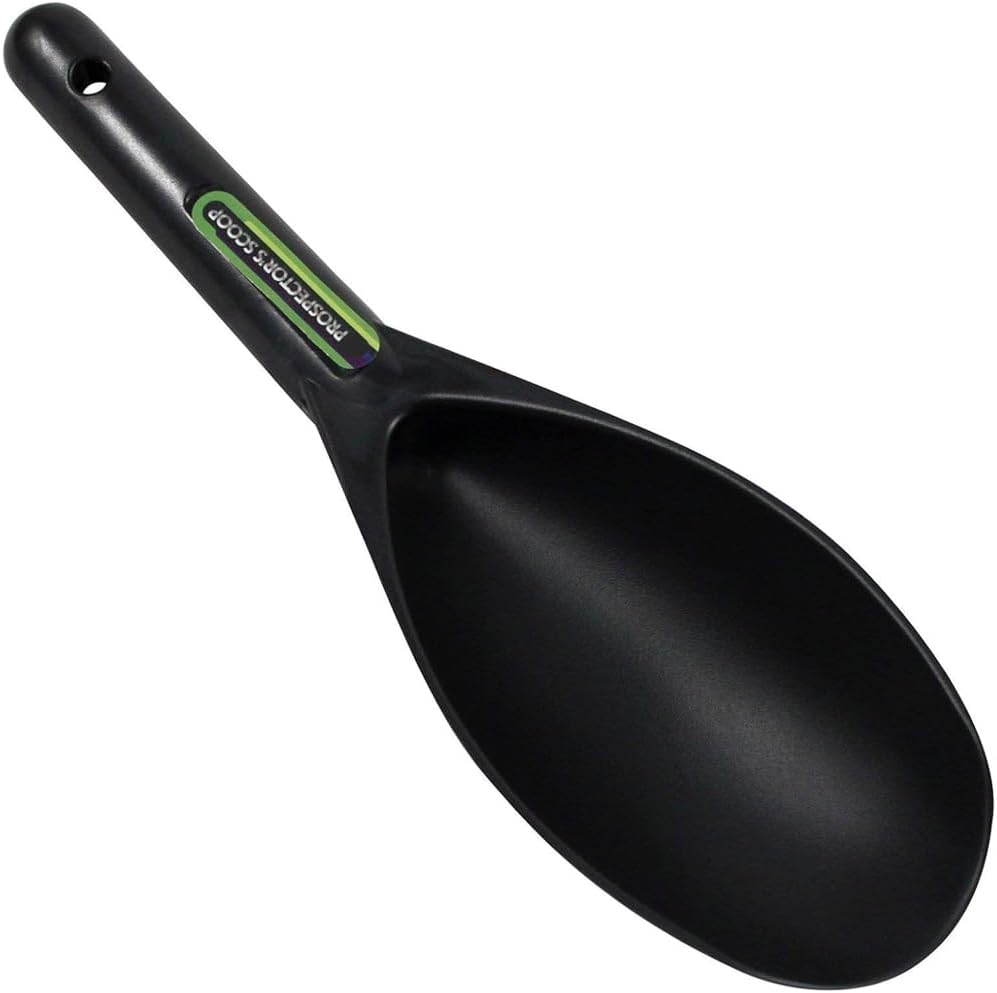
The SE Black Prospector's Scoop is a specialized hand tool designed primarily for metal detecting, gold panning, and treasure hunting, but it also works well for light gardening tasks. Its key feature is a non-metallic, heavy-duty plastic construction that won't rust or corrode, making it a reliable companion in wet environments like riverbeds, beaches, or after a rain. The scoop's black color helps contrast with gold particles, aiding visual identification.
This tool is best suited for hobbyists, weekend prospectors, and gardeners who need a lightweight, easy-to-carry scoop for sifting through loose soil, sand, or gravel. It's not intended for heavy digging in compacted or rocky ground, but for scooping material that has already been loosened or is naturally loose. Users who pair it with a metal detector will appreciate that the plastic material doesn't trigger false signals, allowing them to scan the scooped material directly.
In terms of real-world performance, the scoop's lightweight design (just 0.1 pounds) reduces fatigue during long days in the field. The sturdy plastic resists cracking and scuffing even when used to scrape against rocks or dig in dry creek beds, according to user feedback. The foldable feature and lanyard hole add convenience for storage and attachment to a belt or dump pouch. However, it's worth noting that the scoop sinks if dropped in water, so attaching a float or tether is advisable for water use.
Build quality is solid for a plastic tool. The material resembles a thick cutting board, offering good rigidity without being brittle. The handle is comfortable for larger hands, and the overall shape allows for efficient scooping in tight spots. While it won't replace a metal shovel for serious excavation, it excels at its intended task of quickly collecting and sifting target material.
Maintenance is minimal: just rinse off dirt and sand after use. The plastic won't rust, so it can be stored wet without worry. The foldable design helps it fit into a backpack or tool bag easily. One realistic limitation is that it's not suitable for heavy-duty digging in hard-packed soil or rocky terrain, where a metal scoop would be more appropriate. Also, some users may prefer a longer handle for more leverage, but the 12.5-inch length strikes a good balance between portability and functionality.
Overall, the SE Black Prospector's Scoop offers excellent value for its price. It's a practical, durable tool for anyone who needs a non-metallic scoop for metal detecting, gold panning, or light gardening. If you're a hobbyist looking for a lightweight, rust-proof scoop that won't interfere with your detector, this is a solid choice. For heavy digging or professional excavation, consider a metal alternative.
Frequently Asked Questions About Gold Prospecting Shovels
What size shovel is best for gold prospecting?
A compact hand trowel around 12.5 inches, like the SE Prospector’s Scoop, works well for crevice digging and sifting. Full-size steel shovels (28+ inches) offer more leverage for breaking up hard ground. Choose based on your typical terrain and portability needs.
Plastic or steel – which material is better for a gold panning shovel?
Plastic scoops are lightweight, rustproof, and metal-detector friendly – ideal for wet conditions. Steel shovels (like 45 HRC hardened steel) are tougher for rocky soil and roots but heavier and can rust. Many prospectors carry both for different tasks.
Can I use a regular garden shovel for gold prospecting?
You can, but purpose-built gold prospecting tools are better. They have specialized blades (serrated, beveled) and ergonomic handles that reduce fatigue. A standard garden shovel often lacks the leverage and wrist-friendly angle needed for hours of digging and sifting.
What features make a gold prospecting shovel metal-detector friendly?
Plastic or fiberglass construction won’t interfere with detector signals. Non-metallic scoops like the ASR Outdoor Plastic Scoop allow you to scan the scoop directly without false positives. Metal shovels need to be set aside during detection, slowing down the process.
How important is a serrated edge on a prospecting shovel?
Serrated edges help cut through roots and compacted soil. The CKG Metal Detecting Shovel has a double serrated blade that slices through clay and roots efficiently. If you frequently dig in root-heavy areas, serration is a must.
Do I need a shovel with a D-handle or T-handle for prospecting?
D-handles offer better control for scooping and sifting, especially in tight spaces. T-handles provide more leverage for deeper digging and are common on full-size shovels. Choose based on whether you’re mainly scooping or digging. The best shovel for planting trees and shrubs often uses similar handle designs for heavy work.
How much should I spend on a gold prospecting shovel?
Prices range from $9.99 for basic plastic scoops to $55.99 for heavy-duty steel shovels like the 40″ GADFISH. For most hobbyists, a mid-range plastic scoop ($12-$16) and a durable steel option ($25-$30) cover all scenarios. Spending more often gets better ergonomics and longer life.




Write Your Review
No reviews yet. Be the first to share your experience!