


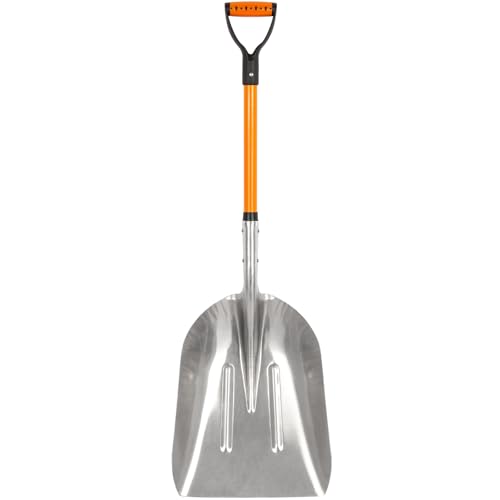
Winter mornings often start with a layer of white that looks beautiful but means work. Why is shoveling snow so hard? It’s a question many homeowners ask after just ten minutes of pushing a shovel. The task isn’t just about moving snow; it’s about fighting heavy wet loads, cold muscles, and a repetitive motion that wears you down fast. Your back starts aching, your arms feel heavy, and you wonder if there’s a better way. Understanding the reasons behind the struggle helps you prepare and choose the right approach. Whether you’re dealing with a light dusting or a foot of powder, knowing what makes it tough can save you time and injury. If you’re unsure which tool to use, choosing the right shovel type makes a big difference in reducing effort. The mental side also matters – staying motivated when the snow keeps falling is half the battle. This article breaks down the surprising struggles and offers practical tips to make shoveling snow easier.
Shoveling snow involves more than just lifting. The weight of wet snow can be 10 to 30 pounds per cubic foot. Your body has to twist, bend, and throw, all while your muscles are stiff from the cold. Plus, the repetitive nature leads to mental fatigue. But with the right technique and tools, you can cut down the difficulty. One helpful resource for kids curious about snow is the book Why is Snow Cold and White? by The Why-Why Team – a fun way to learn about snow science while you tackle the chore. Below, we look at the key factors and solutions.

Pros
- High-quality illustrations that hold a child's focus
- Simple, clear explanations of snow science
- E-book format is convenient for on-the-go reading
- Encourages early STEM learning in a fun way
Cons
- Only 23 pages – content may be brief for older toddlers
- Print Replica format means no adjustable font size for reading
- Not a physical tool – limited to educational use only
This e-book, 'Why is Snow Cold and White?', is a science story designed for toddlers ages 2-5, not a traditional hand tool or workshop accessory. It belongs to the educational e-book category, but for DIY homeowners and workshop users looking to combine hands-on projects with learning moments, it serves as a valuable tool for early childhood education. The book uses simple text and vivid 3D AI illustrations to answer common winter questions, making it a perfect addition to a family-friendly workspace.
The target users are parents who spend time in garages, workshops, or home renovation areas and want to engage their curious kids with natural science. The story follows Lily and Wisp the cloud, explaining how snowflakes form and why snow appears white. The content is developmentally appropriate for young children, turning a cold winter day into a learning opportunity. While not a power tool or measuring instrument, this e-book acts as a cognitive development tool for the youngest members of a DIY family.
In terms of real-world performance, the book's biggest advantage is its ability to hold a child's attention through colorful illustrations and a narrative approach. The file size is small (3.0 MB), so it loads quickly on tablets or smartphones, allowing for spontaneous reading sessions during a break from assembling furniture or organizing the toolbox. The simple language ensures even toddlers can grasp basic concepts, which may lead to more questions about science and engineering later on.
Build quality is not applicable in the traditional sense, but the production value of the illustrations is high, thanks to Leonardo.Ai technology. The e-book is a Print Replica format, meaning it looks like a printed page but lacks enhanced typesetting or Word Wise features. This is fine for reading on larger screens but may be less comfortable on small devices. The book is part of a 20-book series (The Why-Why Show), offering additional content for continuous learning.
Setup and use are straightforward: download the Kindle file and open it on any compatible device. No maintenance or storage is needed beyond organizing the file in your digital library. The only limitation is the page count – 23 pages plus cover – which might be too short for children who want a longer story. Also, because there are no adjustable fonts, some readers may prefer a different format for easier reading.
For DIY homeowners, contractors, or workshop users who want to introduce science to their children in a natural way, this e-book is a practical recommendation. It's not a substitute for hands-on tool learning, but it complements a workshop environment by nurturing curiosity about the world. Parents who already keep educational materials in their garage or home office will find this a delightful, low-cost addition to their digital library.
Frequently Asked Questions About Why is Shoveling Snow So Hard
What makes wet snow so heavy to shovel?
Wet snow contains more water, making it much denser than dry powder. A cubic foot of wet snow can weigh as much as 30 pounds. This adds significant strain to your back and arms. Using a shovel with a smaller blade can reduce the load per scoop. Durable shovels designed for heavy material often work well for wet snow too.
How does cold weather increase the difficulty of shoveling?
Cold temperatures cause your muscles to tighten and become less flexible. This makes each movement more strenuous and raises the risk of strains or sprains. Your grip also weakens because fingers get cold. Warming up with light stretches before heading outside can help prepare your body.
Why does shoveling snow cause so much back pain?
Lifting with your back instead of your legs is a common mistake. The awkward twisting motion when throwing snow strains the lower back. Using a shovel with an ergonomic handle helps maintain a straighter back. Also, take small scoops and avoid overloading.
Can mental fatigue make shoveling feel harder than it is?
Yes, the repetitive and seemingly endless nature of the task can drain motivation. Seeing a large area still covered after 20 minutes can be discouraging. Break the driveway into sections and set small goals. Listening to music or podcasts can keep your mind engaged.
What is the best technique to shovel snow without getting hurt?
Stand with feet hip-width apart. Bend at the knees, not the waist. Keep the shovel blade close to your body. Avoid twisting – turn your whole feet instead. Push snow when possible instead of lifting. Take breaks every 15 minutes and stay hydrated.
Are electric snow shovels effective for making the job easier?
Electric snow shovels can significantly reduce physical effort by throwing snow away for you. They are lighter than gas blowers and ideal for light to moderate snowfalls on driveways and walkways. Look for models with a brushless motor for better runtime and less maintenance.
How can I stay motivated when shoveling a large area?
Set a timer for 20-minute intervals. Reward yourself after each section. Shovel with a partner to make it social. Listen to an audiobook or energetic playlist. Remember that each scoop brings you closer to being done.




Write Your Review
No reviews yet. Be the first to share your experience!