


Milling rough-cut lumber directly from fallen logs turns storm cleanup or salvaged timber into valuable dimensional boards right on the forest floor. However, pushing a powerful two-stroke powerhead through dense hardwood grain requires a rigid, dependable frame that prevents guide bar binding and uneven slab thickness. Learning how to make alaskan chainsaw mill assemblies perform reliably involves aligning robust aluminum or steel rails, matching engine displacement to bar length, and establishing a perfectly flat reference plane. Hand preparation of the log trunk, such as peeling bark and trimming branch stubs, often pairs well with axe handling methods for limbing logs before setting up your cutting jig.
Whether you build a modular timber jig from spliced aluminum extrusions or assemble a heavy-duty steel frame, proper clamp positioning on the solid guide bar ensures consistent cuts without drilling into your cutting equipment. High-torque chainsaws exceeding 50cc displacement provide the sustained power necessary to pull specialized ripping chains through broad log diameters. Taking time to calibrate your depth posts, secure vibration-resistant hardware, and drive wedges into the kerf protects your equipment while turning raw timber into workable boards.

Pros
- Durable galvanized steel build resists moisture, sawdust buildup, and outdoor wear
- Flexible height and width adjustments accommodate varied log dimensions
- Lightweight enough for a single operator to transport into the woods or backyard
- Clear, stamped depth markings help maintain consistent lumber thickness
Cons
- Requires a high-displacement chainsaw and dedicated ripping chain for best results
- Initial bolt assembly and squaring take some time and patience before the first pass
The VEVOR Portable Chainsaw Mill is a specialized power tool accessory designed to convert common chainsaws into mobile lumber-producing sawmills. By clamping securely onto guide bars ranging from 14 to 36 inches, this attachment lets woodworkers, homesteaders, arborists, and DIY builders turn felled yard trees and salvage logs into high-grade lumber without paying for commercial sawmills.
Built from heavy-duty galvanized steel pipes, the mill delivers solid rust resistance and rigidity against the high vibrations generated by two-stroke gas powerheads. The framework uses locking fasteners with oversized washers to ensure that tracking remains firm as the saw glides across log guide rails. An integrated saw kerf clearance setup helps reduce chain binding risks, protecting your equipment during deep ripping cuts.
In terms of precision, the unit features air gun-carved measurement markings along the vertical uprights. Woodworkers can quickly configure slab thicknesses from a paper-thin 0.2 inches up to massive 11.81-inch beams or mantels. Because the chainsaw bar mounts directly through rigid positioning holes, cutting drift is minimized, delivering smooth, uniform lumber surfaces that reduce subsequent planing and sanding time.
At approximately 13 pounds, the attachment is remarkably portable. It easily stows in a pickup bed or utility trailer, enabling remote processing right where timber falls rather than hauling heavy logs to a workshop. Routine maintenance involves simple fastener checks, clearing packed sawdust, and verifying that the clamping brackets remain square to the guide bar.
While this tool offers exceptional accessibility for timber conversion, practical performance depends heavily on the chainsaw paired with it. Milling timber places continuous heavy loads on power equipment, so using a saw with sufficient engine displacement and an appropriate ripping chain is essential for clean, efficient passes. For woodworkers and property owners seeking an economical way to produce custom boards and live-edge slabs, this mill delivers dependable utility and great value.
Using a portable mill in the field allows operators to process logs on location, bypassing the heavy equipment needed to transport whole tree trunks. Setting up the first cut requires a flat reference guide, such as a sturdy ladder or wooden rail screwed to the log, allowing the VEVOR frame to establish a dead-flat face.
Subsequent cuts ride directly on the newly planed surface, making continuous lumber production straightforward. Contractors and homesteaders can quickly harvest framing stock, siding material, or outdoor project timber directly from land-clearing debris with minimal auxiliary tools.

Pros
- Sturdy all-metal construction with aircraft-grade aluminum and zinc-plated steel for excellent durability
- Adjustable depth and width settings allow custom lumber sizes from 1/2 to 13 inches thick and up to 18 inches wide
- Simple clamp-on installation fits most chainsaw bars up to 24 inches without permanent modification
- Portable design at just over 16 pounds makes it easy to take to remote log sites or move around the workshop
- Made in the USA with attention to detail for consistent milling performance
Cons
- Requires a powerful chainsaw (typically 50cc or larger) for efficient milling, which adds cost if you don't already own one
- Learning curve to achieve consistent slab thickness and straight cuts, especially for first-time users
- At 16.2 pounds, it adds noticeable weight to the chainsaw, which can cause fatigue during extended use
The Granberg 24-Inch Alaskan MKIV is a portable chainsaw mill attachment that lets you turn your regular chainsaw into a functional lumber mill. It's designed for DIY homeowners, woodworkers, contractors, and anyone who needs to mill logs into custom boards, slabs, or beams right where the tree falls. Instead of hauling logs to a sawmill, you bring the mill to the log, which saves time and effort on remote job sites or in your own backyard.
When it comes to performance, this mill delivers reliable accuracy. The adjustable rail design allows you to set cutting depths from 1/2 inch to 13 inches and mill boards up to 18 inches wide, depending on your chainsaw bar length. The precision-machined components help maintain consistent alignment throughout the cut, which means less waste and smoother lumber surfaces. Many users find that with a bit of practice, they can produce usable lumber for furniture, shelving, or construction projects.
Build quality is a standout feature. The frame is made from aircraft-grade aluminum, and the guide rails are zinc-plated steel. This combination gives you a rigid, corrosion-resistant structure that holds up well in outdoor environments. Every unit is made in the United States, which speaks to the attention to detail and overall craftsmanship. This is not a flimsy plastic attachment; it's built to handle the stresses of cutting through hardwood logs repeatedly.
Setup is straightforward and doesn't require any permanent modification to your chainsaw. The mill clamps directly onto the bar using bolts and a bracket system, so you can attach or remove it in minutes. The whole assembly is relatively lightweight at 16.2 pounds, making it portable enough to carry to a remote cutting site or store in a garage or workshop. Once you have it mounted, you're ready to start milling without needing additional tools.
There are a few realistic limitations to consider. First, this attachment works best with a chainsaw that has a powerful engine, typically 50cc or larger, and a bar that is long enough to handle the width of your logs. If you own a smaller saw, you may struggle with larger logs. Second, there is a learning curve to getting perfectly straight cuts and consistent slab thickness. Beginners should expect to make some practice cuts before tackling important projects. Finally, the added weight of the mill on the saw can cause fatigue during longer milling sessions, so taking breaks is important.
Overall, the Granberg Alaskan MKIV is a practical tool for anyone who wants the ability to turn logs into lumber without expensive stationary equipment. It's well-suited for DIY woodworkers, homesteaders, and even contractors who need on-site milling for custom beams or slabs. With its durable build and adjustability, it offers good value for occasional to regular use in the workshop or field.
The Granberg 24-Inch Alaskan MKIV is built to withstand the demanding conditions of chainsaw milling. The main frame is constructed from aircraft-grade aluminum, which provides a strong yet relatively lightweight platform. The guide rails and hardware are zinc-plated to resist rust and corrosion, which is essential when working outdoors or in damp environments. All components are precision-machined to ensure that the mill maintains accurate alignment over time, reducing the need for frequent adjustments. This mill is assembled in the United States, reflecting a commitment to quality control. The clamping system uses heavy-duty bolts that securely attach to the chainsaw bar without stripping or loosening during use. Overall, the build quality is robust enough for regular professional use while still being manageable for DIY enthusiasts.
Pros
- Solid build from quality materials ensures reliable performance over many projects
- Easy to mount and adjust, even for first-time users with basic mechanical skills
- Produces consistently straight cuts that rival stationary sawmills for small-scale work
- Made in the USA with responsive customer support and instructional videos available
Cons
- Requires a minimum 50cc chainsaw, which may not suit all casual users with smaller saws
- Setup and learning curve for perfect alignment can take a few practice cuts
- Assembly hardware is included but some users may prefer more detailed step-by-step instructions
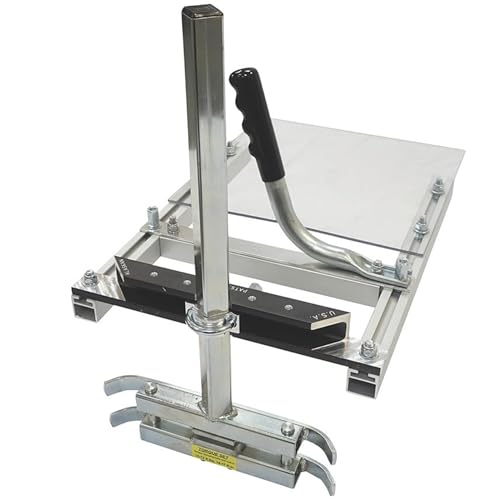
The Granberg G777 Alaskan Small Log Mill is a portable chainsaw attachment that transforms your chainsaw into a functional lumber milling tool. Designed for DIY homeowners, woodworkers, contractors, and anyone who works with logs on their property, this mill lets you cut lumber right where the tree falls. No need to haul heavy logs to a sawmill or invest in expensive stationary equipment. The G777 clamps onto your chainsaw bar without drilling, making it a practical addition to a workshop or garage setup.
Performance-wise, the mill delivers consistent, straight cuts on planks from 1/2 inch to 13 inches thick and up to 18 inches wide. The CNC-machined billet end brackets and aircraft aluminum extrusion keep the guide rigid, reducing wobble during cutting. This translates to better accuracy and less waste, which is a big plus for anyone trying to maximize usable lumber from a log. The zinc-plated steel components resist rust and wear, so the mill holds up well in outdoor conditions and repeated use.
Build quality is a standout feature here. Granberg uses aerospace-grade aluminum and zinc-plated steel, all made and assembled in the USA. The polycarbonate safety guard adds a layer of protection without blocking your view. While the mill itself is lightweight at just over a tenth of a pound, the real heft comes from your chainsaw, so expect a balanced but weighty setup once attached. The included assembly hardware is straightforward, but first-time users may need to watch the manufacturer's videos to get the alignment just right.
Storage and maintenance are simple. The mill disassembles into a compact package that fits in a toolbox or truck bed, making it easy to take to remote job sites or store in a garage. Cleaning is just a matter of wiping off sawdust and oil after use. There's no complicated maintenance beyond keeping the hardware tight and checking for wear on the brackets over time.
A realistic limitation is the chainsaw requirement. You need a saw with at least 50cc displacement, which covers most mid-range and professional models but rules out smaller homeowner saws. Also, milling with a chainsaw is physically demanding and takes some practice to get consistent results. Beginners should expect a learning curve and start with smaller logs before tackling larger projects.
Overall, the Granberg G777 is a solid choice for DIY homeowners, woodworkers, and contractors who want to mill their own lumber without breaking the bank. It's not a substitute for a full-sized sawmill, but for small to medium logs, it offers impressive precision and durability. If you already own a suitable chainsaw and have a steady supply of logs, this mill is a practical investment that pays for itself over time.
The Granberg G777 is constructed from aircraft-grade aluminum extrusion and zinc-plated steel, materials chosen for their strength and corrosion resistance. The CNC-machined billet end brackets ensure precise alignment and long-term durability. All components are made and assembled in the USA, which speaks to the quality control. The polycarbonate safety guard is tough yet transparent, allowing clear visibility while protecting the operator from debris. Overall, the build feels solid and well-engineered for repeated use in outdoor and workshop environments.
In a workshop or garage setting, the G777 performs best when mounted on a sturdy workbench or used with a log secured on sawhorses. It cuts clean, straight planks from softwoods and hardwoods alike, provided the chainsaw is sharp and properly tuned. The mill's rigid guide system minimizes drift, so you get consistent thickness across the board. For small-scale milling projects like making shelves, benches, or siding, this attachment delivers professional-grade results without taking up permanent floor space.

Pros
- Durable aircraft-grade aluminum and zinc-plated steel build
- Adjustable to accommodate various log sizes and milling depths
- Portable and quick to set up without modifying your chainsaw
- Made in USA with attention to detail and reliability
- Creates custom lumber, beams, and slabs on site - saves time and money
Cons
- Requires a chainsaw with a bar length up to 36 inches, which may not be a standard size for all users
- Weighs 18.1 pounds, which can be noticeable when assembling or carrying
- Learning curve for achieving precise alignment and consistent cuts on the first few logs
The Granberg 36-Inch Alaskan MKIV Chainsaw Mill (model G778-36) is a portable sawmill attachment designed to transform a standard chainsaw into a functional lumber milling tool. This product is best suited for woodworkers, DIY homeowners, contractors, and outdoor builders who need to turn logs into custom boards, slabs, or beams directly where the tree falls. It offers a cost-effective alternative to stationary sawmills for on-site projects, making it a popular choice for those working in remote or wooded areas.
Based on product specifications and user feedback, the MKIV delivers solid cutting performance with an adjustable rail that allows milling lumber up to 30 inches wide and depths from 1/2 inch to 13 inches. The integrated wood cutting guide helps maintain straight cuts, improving efficiency and accuracy during slab cutting. Many users report that with a properly tuned chainsaw, this mill produces consistent results suitable for furniture, shelving, and construction lumber.
Build quality is a standout feature, with the mill constructed from aircraft-grade aluminum and zinc-plated steel. These materials resist corrosion and wear, ensuring long-term durability in outdoor and workshop environments. The mill clamps directly onto the chainsaw bar without requiring any drilling or modifications, which simplifies setup and maintains the saw's versatility. The aluminum frame keeps weight manageable, while the steel components add rigidity for stable milling.
Setup is straightforward: users attach the mill to the bar, adjust the vertical posts to the desired lumber thickness, and secure the whole assembly. The mill's lightweight 18.1-pound design makes it portable enough to carry to job sites or into the woods. Storage is easy when not in use, as it disassembles into a compact size. Maintenance involves keeping the mill clean and lubricating moving parts occasionally.
A realistic limitation is that this model requires a chainsaw with a bar length up to 36 inches; users with smaller saws may need to upgrade or choose a different size. The learning curve for aligning the mill and chainsaw for consistent cuts can be steep initially, but most users adapt after a few practice runs. Additionally, the mill adds some weight and bulk to the chainsaw, which may affect balance during extended use.
Overall, the Granberg 36-Inch Alaskan MKIV is a practical investment for woodworkers and tradespeople who frequently need to mill lumber on site. It offers durability, adjustability, and American craftsmanship at a reasonable price point. For those committed to chainsaw milling, this attachment provides reliable performance and the flexibility to create custom-sized lumber for projects ranging from rustic furniture to structural beams.
The Granberg Alaskan MKIV chainsaw mill is built to handle heavy-duty milling tasks. The main frame uses aircraft-grade aluminum, which provides a strong yet lightweight structure that resists bending and fatigue. All steel components, including the mounting brackets and rail, are zinc-plated for corrosion resistance, ensuring the mill holds up in damp or outdoor conditions. The welds and fasteners are robust, and the overall assembly feels solid when attached to a chainsaw.
This mill is designed for repeated use in rugged environments. The materials and construction suggest long-term reliability, as long as users follow basic maintenance like cleaning sawdust and applying light oil to moving parts. The American manufacturing also indicates a higher standard of quality control compared to some imported alternatives.

Pros
- Versatile 3-in-1 design adapts to different log sizes without needing multiple mills
- Sturdy aluminum and steel build offers good durability for regular use
- Includes helpful accessories like guide brackets, wedges, and a dual-scale ruler
- Adjustable cutting depth from 1/2 to 12 inches suits a wide range of projects
- Portable and easy to assemble, making it practical for remote milling sites
Cons
- May require some initial setup and adjustment to achieve perfectly straight cuts
- Best suited for occasional or hobbyist use rather than heavy daily commercial milling
- Guide brackets may need additional 2x4 lumber to function, which is not included
The Zozen Chainsaw Mill is a portable sawmill attachment designed to turn your ordinary chainsaw into a functional lumber milling tool. This kit is built for DIY homeowners, woodworkers, arborists, and contractors who want to convert rough logs into usable slabs, planks, or beams without investing in a full-sized sawmill. It works with chainsaws that have bar lengths between 14 and 36 inches, making it compatible with many popular saws.
In real-world use, this mill focuses on cutting efficiency and accuracy. The adjustable milling height lets you cut slabs from 1/2 inch up to 12 inches thick, giving you control over the final dimensions of your lumber. The included lumber guide brackets help you create a straight reference edge on the log, which is essential for a clean first cut. According to the product description, the upgraded handle can be pushed or pulled and slides to adjust position, which may improve comfort and control during long cuts.
Build quality appears solid, with the main frame made from aluminum alloy and steel components. This combination offers a good balance of strength and weight, making the mill portable enough to carry to remote cutting sites. The unique patented spliced design is a standout feature - it allows the mill to be assembled into three different sizes, so you can use a smaller setup for small logs and a full-size setup for larger ones. This flexibility reduces the need to handle an oversized mill when you're only cutting small stock.
Setup and assembly are simplified compared to some traditional mills, with fewer parts and a detailed instruction manual included. The dual-system scale (metric and imperial) is a nice touch for users who prefer either measurement system. The kit also comes with four felling wedges, which can help prevent your chainsaw from binding during cuts. Storage is straightforward since the mill breaks down into manageable pieces that fit in a toolbox or vehicle.
One realistic limitation is that this mill is best suited for occasional or hobbyist use rather than heavy daily commercial milling. Users may need to spend some time fine-tuning the setup to achieve perfectly straight cuts, especially on irregular logs. Additionally, the guide brackets require you to supply your own 2x4 lumber to create the straight edge rails, which is a common practice but something to keep in mind.
Overall, the Zozen Chainsaw Mill offers a practical and affordable way for DIY woodworkers, homesteaders, and arborists to mill their own lumber. It's a good choice if you have access to logs and want to create custom slabs for furniture, fencing, or building projects. While it may not replace a professional sawmill for high-volume work, it provides solid value for those who need a portable, versatile milling solution for their workshop or job site.
The Zozen Chainsaw Mill is constructed from a combination of aluminum alloy and steel, which provides a good balance of strength and weight. The aluminum alloy frame keeps the mill lightweight for portability, while the steel components add durability where it matters most. The finish is a clean silver that resists rust and corrosion, which is important when working outdoors or in damp conditions. The hardware and fasteners appear to be of decent quality, and the overall assembly feels sturdy for its intended use. While it may not be as heavy-duty as industrial-grade mills, it should hold up well for regular hobbyist and contractor use.
In a workshop or job site setting, the Zozen Chainsaw Mill performs well for cutting logs into slabs and beams. The adjustable milling height allows you to dial in precise thickness from 1/2 to 12 inches, which is useful for furniture making, construction lumber, or firewood processing. The included lumber guide brackets help you establish a straight reference edge, which is critical for accurate cuts. The upgraded handle design lets you push or pull the mill with better control, reducing fatigue during longer cuts. Users should note that achieving perfectly straight cuts may require some practice and adjustment, but the mill provides the necessary adjustments to get good results.
Mastering Alaskan Chainsaw Mill Setup, Construction, and Operation
Turning raw logs into clean, uniform lumber requires converting a freehand cutting tool into a guided linear milling machine. An Alaskan chainsaw mill achieves this by clamping a rigid reference frame directly onto your chainsaw guide bar, allowing the saw to track evenly across a log. Understanding how to properly configure, align, and operate this timber jig determines whether you produce smooth dimensional boards or ruin valuable wood with tapered, wavy cuts. Taking time to understand the structural dynamics of the mill setup guarantees safer operation and extends the working life of your powerhead.
Understanding the Framework: Core Anatomy of an Alaskan Timber Jig
An Alaskan chainsaw mill relies on a straightforward mechanical architecture designed to maintain a consistent distance between the guide bar and the log surface. The primary structure consists of two parallel guide rails, typically formed from aircraft-grade aluminum extrusions or galvanized steel tubing, connected to vertical depth posts. Clamping brackets lock onto the chainsaw bar near the powerhead and toward the bar tip, supporting the weight of the saw without requiring holes drilled through the bar steel. High-grade hardware, including anti-loosening nylon nuts and large load-spreading washers, keeps the assembly rigid against intense two-stroke engine vibration.
The bottom surface of the parallel rails glides across the log, serving as the physical reference plane for the cut. As the saw chain spins inside the kerf, the vertical posts dictate exactly how thick the resulting board will be. Many commercial designs feature air gun-carved scales or laser-etched metric and imperial markings along the upright posts to simplify height adjustments. Transparent polycarbonate safety guards are often mounted near the powerhead end to deflect flying chips and shield the operator from debris during long ripping passes.
Chainsaw Powerhead Requirements and Bar Sizing Dynamics
Milling lumber places far greater demands on an internal combustion powerhead than ordinary firewood bucking or tree felling. Because the chainsaw operates continuously under heavy load for several minutes at wide-open throttle, engine displacement is critical. Small log mills configured for sixteen to twenty-inch bars generally require a minimum engine displacement of 50cc to pull the chain without severe engine bogging. Larger milling frames spanning twenty-four to thirty-six inches run substantially cooler and cut more efficiently when paired with 70cc to 90cc professional powerheads.
Usable cutting width is always shorter than the total stamped length of your chainsaw guide bar. The clamping assemblies at the powerhead end and the bar tip consume between four and six inches of effective cutting span. For example, a thirty-six-inch guide bar clamped into a mill frame typically yields a maximum slabbing width of approximately thirty inches. Attempting to force an undersized guide bar across a wide log risks pinching the nose sprocket or bottoming out the clamping brackets against log irregularities.
Selecting and Prepping the Cutting Chain for Lumber Milling
Standard crosscut chainsaw chains are designed to sever wood fibers across the grain, making them poorly suited for the lengthwise ripping cuts demanded by an Alaskan mill. Running a conventional crosscut chain down the length of a log produces coarse, stringy chips that quickly clog the clutch cover and choke the engine. Ripping chains solve this problem by reshaping the cutter teeth to a shallow top-plate filing angle, typically set around ten degrees instead of thirty. This modified cutter geometry shears wood fibers along the grain, converting the exhaust stream into fine, powdery sawdust that clears easily from the kerf.
Maintaining consistent depth gauge clearance, commonly known as raker height, is equally vital for stable milling performance. Setting depth gauges to roughly .025 inches ensures each tooth takes a measured bite without snagging or inducing excessive vibration. Semi-chisel ripping chains are generally favored over full-chisel cutters because their rounded working corners resist rapid dulling when encountering gritty log bark. Frequent touch-ups with the correctly sized round file keep the cutting edges razor sharp and prevent the guide bar from drifting off line.
Building and Leveling the First-Cut Guide System
A chainsaw mill cannot produce flat lumber unless the very first pass across the top of the log is established on an absolute plane. Because natural tree trunks are tapered, curved, and coated in rough bark, you must create an artificial reference surface for the mill rails to ride upon. Experienced sawyers commonly build a temporary guide rail system using straight dimensional two-by-four lumber, extruded aluminum guide channels, or an ordinary aluminum extension ladder. Metal lumber guide brackets mounted to the log ends allow you to position two parallel wooden rails securely along the log length.
Leveling this first-cut rail system prevents the mill from twisting or producing propeller-shaped boards down the trunk. Placing a bubble level across both brackets and along the guide boards verifies that the cutting plane remains parallel to the natural center of the log. Using sturdy lag screws and drill bits for boring clean holes into the wooden rails guarantees a rock-solid foundation that will not shift under the weight of the powerhead. Once the guide rails are fastened tightly, the mill frame rests squarely on top to execute the opening cut.
Step-by-Step Frame Assembly and Bar Clamping Protocol
Assembling the milling attachment requires careful mechanical alignment to prevent binding or loose hardware during operation. Begin by attaching the cross rails to the end brackets, ensuring all tubular or extruded members seat squarely inside their mounting collars. Fasten the clamping jaws loosely onto the lower portion of the upright depth posts before introducing the chainsaw. Clamping the bar requires zero drilling into the guide bar steel, protecting the structural integrity of your cutting equipment.
Position the rear clamp as close to the powerhead as possible while maintaining adequate clearance for the bumper spikes and chain oil discharge port. Slide the front clamp toward the bar tip, ensuring the clamping pads grip only the solid steel body of the bar and avoid contact with the spinning nose sprocket. Tighten the clamping bolts evenly using dual wrenches, alternating sides to prevent cocking the clamp out of square. Check that the saw chain rotates smoothly by hand along the rails while wearing heavy gloves before starting the motor.
Calibrating Slab Thickness and Rail Parallelism
Accurate board thickness depends on calibrating both vertical depth posts to the exact same measurement. Loosen the post clamp nuts on both sides of the mill frame to allow the guide rails to slide vertically relative to the guide bar. Use the etched measurement scales on the upright posts to set your target board thickness, whether you are cutting half-inch paneling or thick three-inch live-edge slabs. Measure the physical gap between the bottom of the mill guide rails and the cutting edge of the chain teeth with a steel rule to verify scale accuracy.
Both the powerhead end and the tip end of the mill must be locked at identical heights to avoid cutting wedge-shaped planks. Uneven height adjustments place asymmetric friction on the guide bar rails, accelerating groove wear and pulling the saw crooked. Tighten the anti-loosening nuts firmly once both posts align with your target thickness mark. Double-check all adjustment points after tightening, as torquing the fasteners can occasionally shift the post alignment by a fraction of an inch.
Executing the First Cut and Managing Kerf Pinching
Starting the initial cut requires a calm, steady approach to establish a clean entry path into the log. Start the chainsaw engine, allow it to warm up thoroughly, and bring the powerhead up to full throttle before the cutters touch the wood. Rest the front edge of the mill rails onto your leveling guide and feed the spinning chain gently into the end of the log at a slight angle. Avoid forcing or aggressively shoving the saw forward, which causes engine bogging and uneven surface grooving.
As the guide bar sinks completely into the log, the weight of the severed slab above begins to press down on the bar. Without intervention, this compressive load will pinch the chain and stall the powerhead mid-cut. Drive plastic felling wedges into the kerf behind the guide bar as soon as the saw advances twelve to eighteen inches into the cut. Pushing these wedges in firmly supports the waste cap, relieves downward pressure on the bar, and ensures smooth forward gliding until the cut exits the far end.
Making Successive Planking Cuts Down the Log
After completing the first cut and removing the rounded top slab, the log presents a smooth, flat wooden plane. You can now detach the initial guide rails and brackets, as they are no longer needed for subsequent passes. The flat cut surface of the log becomes the direct guide track for the parallel rails of the Alaskan mill. Adjust your depth posts to the desired lumber thickness and place the mill frame directly onto the freshly milled timber face.
Maintain consistent forward thrust and keep the frame rails pressed firmly against the top of the log throughout each pass. Walking steadily alongside the log allows you to monitor engine sound and chip discharge without leaning over the cutting path. Insert wedges into the kerf behind the bar on every single cut to keep the opening clear and prevent binding. Repeat this sequence plank by plank until the log is fully converted into a stack of uniform boards.
Thermal Management, Auxiliary Lubrication, and Chain Care
Long continuous ripping cuts generate tremendous friction and heat along the guide bar rails. Standard onboard automatic oil pumps are engineered for quick crosscuts and often struggle to deliver sufficient lubrication across wide milling bars. Installing an auxiliary oiler kit on the nose end of the mill frame feeds extra bar and chain oil directly to the chain return track. This additional lubrication reduces friction, dissipates heat, and prevents the bar rails from burning or turning blue under prolonged operation.
Allowing the powerhead to idle for sixty seconds after completing a cut lets circulating air cool the cylinder before engine shutdown. Inspect the guide bar rails periodically for raised burrs, dressing them smooth with a flat file to maintain a clean tracking channel. Check chain tension frequently, as the heat generated during slabbing causes saw chain drive links to expand and sag. Tension the chain so that the drive links seat snugly in the bar groove while still pulling freely around the sprocket by hand.
Troubleshooting Common Milling Flaws and Machine Vibration
Several mechanical issues can cause poor milling results or rough lumber surfaces during field operation. If your boards emerge with uneven thickness from edge to edge, recheck the tightness of your vertical depth post clamps. Two-stroke engine vibration can gradually loosen mounting bolts if anti-loosening nylon nuts or split lock washers are missing. Wavy, washboard-like surfaces typically indicate either dull cutter teeth on one side of the chain or an over-tightened feed rate that forces the bar to flex.
Engine bogging under moderate forward pressure usually points to a dull chain, improper raker clearance, or an incorrect carburetor mixture setting under sustained load. Accumulated sawdust packed inside the bar nose or clutch housing can also drag down chain speed and increase friction. Clean out compacted chips from around the drive sprocket and guide bar groove after every few passes to keep the cutting mechanism spinning freely. If the saw persistently pulls to one side, inspect the cutters for symmetrical top-plate filing angles and equal cutter lengths.
Essential Safety Measures and PPE for Mobile Milling
Operating a chainsaw mill requires rigorous adherence to personal protective equipment standards due to the close working proximity and sustained run times. Wear heavy-duty cut-retardant chainsaw chaps to protect your legs against accidental chain contact while guiding the mill down the log. A forestry helmet system equipped with a steel mesh face shield and hearing protection guards your face against high-speed sawdust and dampens prolonged engine exhaust noise. Sturdy steel-toe work boots with aggressive tread provide the secure footing necessary when navigating uneven ground around felled timber.
Always engage the manual chain brake whenever pausing between cuts or adjusting depth posts on the frame. Keep your hands firmly on the mill push handle and powerhead wrap handle, maintaining a balanced athletic stance that keeps your torso clear of the guide bar axis. Never stand directly in line with the rotating chain plane, and remain alert to the heat radiating from the powerhead muffler. Regular hydration and scheduled rest breaks help prevent operator fatigue, which remains a primary contributor to handling errors during heavy milling sessions.
Practical Workflow and Final Verification Checks
Mastering portable lumber slabbing relies on methodical preparation, deliberate cutting technique, and disciplined maintenance habits. Verifying your rail leveling, fastener tightness, and chain sharpness before entering the wood saves hours of corrective planing later. Stacking your freshly milled green slabs with spacer stickers allows air to circulate evenly and prevents board warping during the drying process. With a properly tuned powerhead and a well-aligned milling jig, you can efficiently harvest high-value lumber directly from local timber right where the tree falls.








Write Your Review
No reviews yet. Be the first to share your experience!