


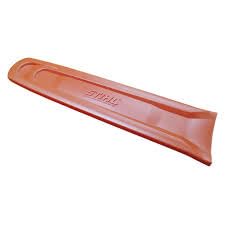
Transporting a bare chainsaw in a truck bed or storing it on a crowded workshop bench exposes sharp cutters to damage while creating an immediate hazard for anyone nearby. Many property owners and casual woodcutters ask what is chainsaw scabbard when searching for essential chainsaw safety accessories. A chainsaw scabbard is a protective sheath engineered to slide securely over the guide bar and saw chain. This rigid or semi-rigid cover shields the exposed cutters from impact and dirt while preventing accidental cuts during storage and transport.
Similar to using durable sheaths for safe axe handling techniques during timber work, covering your chainsaw bar preserves keen cutting edges between demanding cutting sessions. Quality polymer scabbards also catch residual bar and chain oil that naturally seeps from oiler ports after a saw shuts down. Choosing a reliable scabbard protects vehicle upholstery, keeps your chain sharp, and prevents painful puncture wounds whenever you carry your powerhead to the worksite.




Understanding Chainsaw Scabbard Types, Construction, and Selection
A chainsaw scabbard serves as the primary physical barrier between razor-sharp cutter teeth and everything in your immediate work environment. While casual observers might view it merely as a basic plastic sleeve, this accessory plays a vital role in operator safety, cutting system longevity, and organized equipment transport. Whether you manage timber lots, process seasonal firewood, or maintain suburban storm damage, keeping an exposed guide bar uncased invites unnecessary danger and equipment wear. Understanding how scabbards function helps you select the correct cover for your usable guide bar length, storage routine, and vehicle transport setup.
The Essential Protective Functions of a Chainsaw Scabbard
The most immediate benefit of a scabbard is operator and bystander safety. Standard saw chains feature aggressive full-chisel or semi-chisel cutter teeth that easily slice through heavy denim, leather work boots, and bare hands even when the engine sits cold and idle. Carrying an uncovered saw through dense brush or hoisting it into a crowded vehicle bed presents a constant laceration hazard for anyone handling the powerhead. A properly seated scabbard locks over the chain drive links and bar nose, eliminating accidental flesh contact during routine jobsite transfers.
Beyond personal safety, a scabbard actively preserves the precision cutting geometry of your saw chain. Filing cutter teeth to accurate thirty-degree top-plate angles and balancing depth gauge raker clearances requires careful bench work. When an exposed bar rattles against metal truck beds, concrete shop floors, or adjoining steel hand tools during transit, the delicate chrome plating on cutter teeth chips quickly. Encasing the guide bar in smooth plastic shields the cutting teeth from dulling contact, metal impacts, and abrasive road dust.
Scabbards also defend the guide bar rails from lateral bending forces, denting, and rail groove closure. Dropping heavy equipment onto an unprotected guide bar can pinch the rails together, which prevents the drive links from circulating freely through the groove. Furthermore, guide bar covers contain the tacky lubricant that naturally drains from the powerhead oil discharge port after heavy cutting cycles. Catching this residual bar and chain oil prevents slick stains on vehicle upholstery, garage floors, and surrounding forestry gear.
Portable Slide-On Sheaths Versus Heavy-Duty Mounted Scabbards
Standard slip-on scabbards represent the most common protective design found in residential sheds and forestry utility trailers. These lightweight sleeves slide directly over the guide bar nose toward the front face of the powerhead casing. Molded friction ribs along the internal channel grip the chain drive links and bar edges, holding the scabbard firmly in place without mechanical latches. Their slim, lightweight footprint makes them exceptionally easy to pack when carrying saws on foot through remote woodland properties.
Fixed vehicle and bucket truck scabbards address completely different operational requirements for commercial crews and utility operators. Heavy-duty polypropylene holders mount directly to the fiberglass walls of aerial bucket lifts, utility truck beds, tractor frames, or side-by-side cargo racks. Instead of traveling with the saw during the cut, these rigid holders remain permanently bolted or clamped to the machine. Operators simply drop the bar into the wide top funnel between cuts, providing a stable holster that secures the tool in transit.
Mounted scabbards are especially practical when clearing overgrown rural fence lines or staging power equipment alongside clearing saplings and woody underbrush tools. Stowing a hot saw in a mounted vertical holder isolates the blistering exhaust muffler and hot chain from synthetic ropes, fuel cans, and hydraulic lines. For tree service technicians working aloft, having a dedicated rigid scabbard allows smooth one-handed holstering without fiddling with loose plastic covers while maintaining balance in an aerial bucket.
Material Formulations, Rigidity, and Weather Resistance
Manufacturers predominantly mold modern chainsaw scabbards from high-density polyethylene or resilient polypropylene thermoplastics. These engineered materials offer superior impact absorption and flex without cracking when dropped on rocky terrain or frozen logs. Cheaper, brittle plastics frequently shatter during freezing winter firewood cutting sessions, leaving sharp cutters dangerously exposed. Tough polypropylene maintains structural memory across temperature swings, ensuring the internal retention ribs continue to grip the bar securely in sub-zero weather.
Chemical resistance represents another essential characteristic of high-quality chainsaw scabbard materials. Cutting operations coat the guide bar in petroleum lubricants, synthetic oil tackifiers, unburned two-stroke premix fuel, and chain cleaning solvents. Premium scabbards utilize polymers that will not soften, swell, or degrade when exposed to prolonged oil contact. Smooth non-porous interior walls also allow tacky oil and wood dust mixtures to slide out during cleaning rather than adhering permanently to the channel.
Color visibility plays a major role in jobsite safety, workflow speed, and loss prevention. Many commercial scabbards and mounted bucket holders feature bright safety orange or high-visibility red pigments that contrast against forest mulch and woodland brush. If you pull a sheath off to begin bucking a downed oak, a high-visibility scabbard remains easy to spot from a distance. Low-profile black covers look tidy on workshop shelves but can easily blend into dark forest floors or shadowy pickup beds.
Guide Bar Sizing and Dimensional Compatibility
Choosing the correct scabbard requires measuring the usable cutting length of your chainsaw guide bar. Usable cutting length is measured strictly from the front face of the powerhead casing to the outermost tip of the nose sprocket. This operational measurement is always shorter than the total overall steel length stamped on the bar body before mounting. Selecting a scabbard based on usable cutting reach guarantees complete coverage for all exposed drive links right up to the bumper spikes.
Using an undersized scabbard creates an immediate hazard by leaving several inches of moving cutters exposed near the powerhead casing. That exposed gap can easily snag work clothes or cause severe lacerations if your hand slips while carrying the saw by the front wrap handle. Conversely, selecting a scabbard that is far too long leaves empty plastic flapping past the bar nose. An overly long scabbard flexes excessively during transport and can snag on branches, pulling the cover loose unexpectedly.
Internal throat dimensions must also match the width profile and curvature of your guide bar. Commercial bars spanning twenty-four to thirty-six inches feature wider bellies and broader nose sprockets that demand generous internal clearance. In contrast, narrow-kerf bars and compact carving bars require a slimmer channel to prevent excessive lateral rattling. Standardizing scabbard dimensions within established ranges, such as eighteen to twenty-two inches or twenty-four to twenty-eight inches, provides balanced protection without forcing or binding.
Comparing OEM Factory Sheaths with Aftermarket Universal Covers
Original equipment manufacturer scabbards from brands like Stihl and Husqvarna are molded to match specific bar contours and powerhead crankcase geometries. A factory Husqvarna cover engineered for eighteen to twenty-two-inch bars fits securely across compatible brands produced within the same corporate family, including Poulan Pro, Jonsered, and RedMax. These OEM covers feature strategically placed internal ribs that lock around bar rail cutouts and nose sprockets, minimizing movement during transit.
Universal aftermarket scabbards provide valuable flexibility for woodcutters who operate mixed equipment fleets with various bar profiles. Options like universal slide-on covers or multi-piece cases accommodate diverse guide bar contours from different saw makers. These designs often feature slightly broader internal channels that accept quarter-inch, three-eighths low profile, or standard three-eighths-inch pitch chains with equal ease. They offer an affordable, dependable way to replace misplaced factory sheaths without ordering proprietary brand parts.
Multi-pack scabbard sets are particularly practical for property owners maintaining distinct saws for limbing, bucking, and felling tasks. Keeping spare twenty-four-inch covers on hand ensures you can replace a split or deformed sheath immediately without leaving a sharp saw uncased. While universal sleeves may fit slightly looser on slim narrow-kerf bars than tailored OEM covers, their tough impact-resistant plastic provides durable protection that keeps sharp chains separated and secure in busy workshops.
Secure Transit Protocols and Workshop Storage Management
Safely transporting chainsaws requires combining a quality scabbard with secure vehicle tie-downs. Road vibration in a moving truck bed or equipment trailer can cause unstrapped scabbards to vibrate off the bar nose over rough washboard roads. Fastening the powerhead to a bed anchor point prevents shifting and keeps the scabbard pressed firmly against the bumper spikes. When hauling saws in open pickup beds, pointing the covered bar toward the truck cab stops oncoming wind from blowing the sleeve away.
Storage management involves controlling residual bar oil leakage and seasonal temperature shifts. As ambient temperatures fluctuate inside an unheated garage, internal pressure vents from the oil reservoir and forces tacky bar lubricant through the oiler port. A closed scabbard catches small gravity-fed oil drips, keeping wooden storage benches and concrete walkways clean. Enclosing the bar also shields tacky chain oil from dust, wood chips, and airborne grit that would otherwise stick to the chain and accelerate cutter wear.
Proper tool organization is equally vital when packing chainsaws alongside other heavy forestry implements like brush cutter blades for heavy clearing and felling wedges. Tossing an unsheathed chainsaw among spare steel blades, fuel cans, and climbing ropes invites sliced ropes, gouged tanks, and chipped cutter teeth. Putting a scabbard on every saw before loading keeps all sharp cutting edges contained, preventing gear damage while creating an organized, professional woodlot maintenance kit.
Cleaning, Inspection, and Proper Sheathing Technique
Over months of cutting, a mixture of fine sawdust, pine pitch, and tacky bar oil collects inside the narrow channel of the scabbard. This residue forms a thick, abrasive grime that can transfer back onto your clean chain and dull sharp cutting edges. Periodically flushing the interior channel with warm water and mild dish soap or a citrus degreaser clears out packed chips. Make sure the scabbard dries thoroughly before sliding it back onto your steel guide bar to prevent trapped moisture from causing surface rust.
Routine inspection of your scabbards ensures they continue to provide dependable protection. Examine the outer seams, mouth opening, and internal friction ribs for signs of stress cracks, deformation, or plastic fatigue. If a scabbard has split along the spine or slips off the bar with zero friction resistance, it can no longer protect workers from accidental contact. Discarding damaged sleeves and replacing them with fresh covers prevents sudden drops and ensures consistent cutter safety.
Using the correct technique when installing a scabbard prevents damage to both the cover and the saw chain. Always engage the front hand guard chain brake before sheathing the bar to prevent accidental chain movement during handling. Align the scabbard opening directly with the bar nose and slide it smoothly backward along the bar axis without forcing it at an angle. Smooth alignment keeps cutter teeth from carving grooves into the plastic throat, prolonging the lifespan of your protective sleeve.
A chainsaw scabbard remains an essential piece of protective gear that every chainsaw owner should utilize consistently. Whether you rely on standard factory slide-on sheaths, heavy-duty truck-mounted holders, or aftermarket universal covers, matching the scabbard to your bar length protects both the operator and the cutting investment. Investing in durable, high-visibility bar covers ensures your chain teeth stay razor-sharp, your storage areas remain clean, and your wood-cutting operations proceed safely on every job.




Write Your Review
No reviews yet. Be the first to share your experience!