


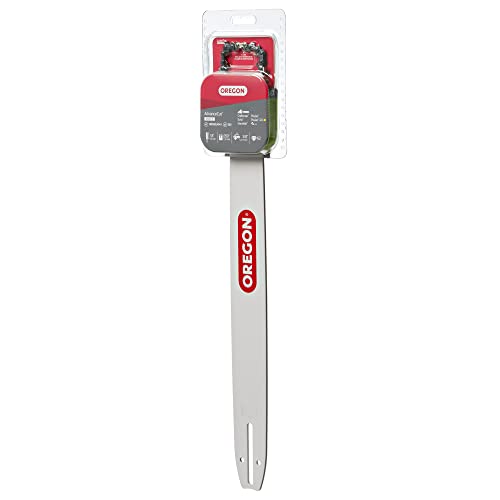
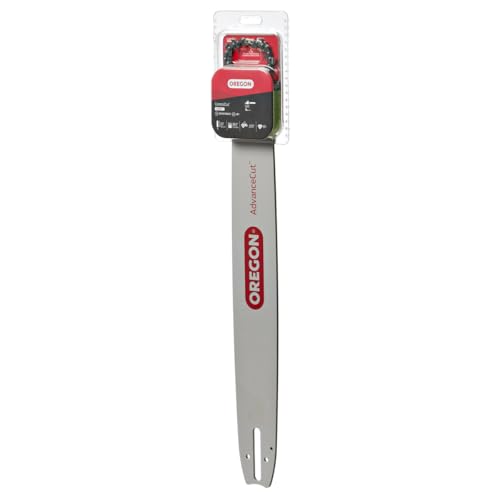
Bar pinching inside heavy fallen logs puts immense friction on your powerhead and brings storm cleanup to an abrupt halt. Worn guide rails and poor lubrication quickly lead to chain derailment, ragged cuts, and dangerous kickback risks during bucking operations. Equipping your saw with a durable chainsaw bar restores straight tracking and ensures your saw chain glides smoothly through dense hardwood. Premium replacement options featuring integrated lubrication channels deliver consistent bar and chain oil flow to prevent premature overheating. Whether you need an 18-inch guide bar for clearing downed trees or a compact replacement for routine yard trimming, matching the correct pitch and gauge protects your engine from unnecessary drag.
Matching motor mounts like the common A041, A074, or heavy Stihl D025 patterns keeps your bar seated securely against the crankcase. While fine indoor timber shaping often requires the best oscillator sander for glass-like surfaces, outdoor firewood bucking requires sheer mechanical reliability under heavy load. Selecting a reliable chainsaw bar with hardened rails and sealed nose sprockets reduces maintenance downtime on your gas or electric saw. Our analysis of manufacturer specifications and broad user feedback highlights options that balance lightweight handling with rugged resistance against bending.



Frequently Asked Questions About Chainsaw Bar Options
How do I know which chainsaw bar fits my chainsaw?
Check the motor mount pattern, bar length, chain pitch, and gauge stamped near the mounting slot of your current bar. These four specifications must match your powerhead drive sprocket and chain exactly to operate safely. For example, an A041 mount fits many small Echo, Ryobi, and Poulan saws, whereas a D025 mount fits larger Stihl models. Checking your user manual confirms the maximum bar length your engine displacement can run without bogging down.
What is the difference between .050 and .063 gauge on a chainsaw bar?
The gauge measurement refers to the exact thickness of the chain drive links and the corresponding width of the guide rail groove. A .050-inch gauge is common on homeowner and mid-range farm chainsaws, while .063-inch gauge is frequently found on mid to large displacement Stihl saws. Running a .050 chain in a .063 chainsaw bar causes the chain to wobble and cut crookedly, while a .063 chain will bind tightly inside a .050 groove.
Can you put a 20-inch chainsaw bar on any chainsaw?
No, a chainsaw powerhead requires sufficient engine displacement or motor wattage to safely pull a 20-inch bar through wood. Most manufacturers recommend at least 45cc to 50cc of engine displacement for a 20-inch setup to maintain chain speed and avoid stalling in hardwood. Smaller engines under 42cc perform better with 14-inch to 18-inch bars to avoid premature clutch wear.
Why does a chainsaw bar smoke or overheat during cuts?
Excessive heat and smoking stem directly from insufficient lubrication or a dull chain forcing the operator to push hard. When the oiler port clogs or the chain runs dry, metal-on-metal friction rapidly discolors the steel rails. Clean out the oil inlet hole on your chainsaw bar regularly and verify that your automatic oiler pumps bar and chain oil consistently before making heavy bucking cuts.
What maintenance does a chainsaw bar require to prolong its lifespan?
Flip the bar upside down every few chain sharpenings to ensure even rail wear on both edges. Clean wood chips and caked oil from the guide groove using a scraper tool, and remove any burrs along the rail edges with a flat file. If you are squaring up rough-cut timbers before refinishing boards with the best sander for floorboard projects, maintaining flat bar rails prevents curved cuts. Sprocket-nose bars without sealed bearings also benefit from occasional grease application to keep the nose spinning freely.
How do low-profile 3/8 pitch and .325 pitch differ on a chainsaw bar?
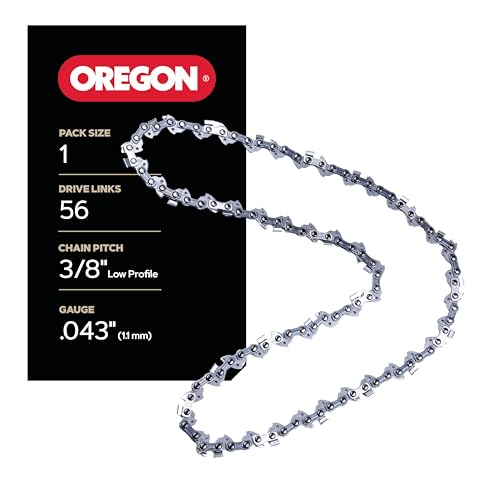
Low-profile 3/8-inch setups feature smaller cutters designed for smaller engines up to 42cc, offering lower kickback and faster cutting with less motor resistance. In contrast, .325 pitch provides smoother, closer-spaced teeth ideal for mid-sized 45cc to 60cc saws tackling dense firewood. Matching the sprocket on your chainsaw bar nose to the pitch of your drive sprocket is critical to prevent binding.





Write Your Review
No reviews yet. Be the first to share your experience!