


Stripping a deck screw or stalling a drill bit halfway through dense framing lumber ruins workflow faster than almost anything else on a job. Cheap drills often suffer from frustrating chuck wobble, weak mechanical clutches, and batteries that fade right when heavy fastening begins. Investing in the best battery drilling machine eliminates these headaches by pairing brushless motor efficiency with rock-solid torque delivery and balanced ergonomics. Modern cordless drill drivers and hammer drills deliver enough sustained power to bore through tough timber, drill masonry anchor holes, and sink lag screws without burning out the motor.
Careful evaluation of tool specifications reveals that key features like all-metal ratcheting chucks, multi-stage clutch rings, and high-capacity lithium-ion packs make a massive difference under real load. A reliable cordless drill gives you the freedom to move around ladders and tight wall cavities without wrestling power cords or tripping over extension leads. Pairing a high-torque drill with other workshop gear like the best detailing sander ensures clean holes and crisp, finished projects from start to finish. Based on product specifications and user feedback, selecting the right battery platform provides the exact balance of runtime, chuck retention, and drilling speed you need for daily home repairs or demanding jobsite builds.






Frequently Asked Questions
What is the main difference between a standard drill driver and a cordless hammer drill?
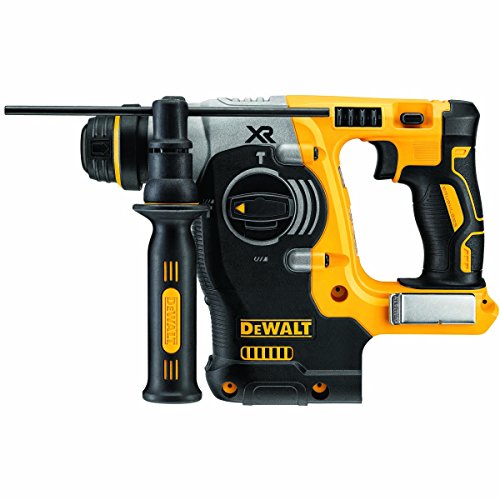
Cordless hammer drills incorporate a rapid percussive pulsing action engineered specifically for penetrating brick, mortar, and lightweight concrete. While a standard drill driver simply rotates the chuck to bore into wood or fasten screws, hammer mode delivers thousands of impacts per minute to shatter masonry particles as the bit turns. Multi-mode tools combine standard drilling, driving, and hammer modes on a single collar to provide versatile performance across various materials.
Does a brushless motor make a noticeable difference in 2026 cordless drills?
Yes, brushless motors provide up to 50 percent longer runtimes, generate less internal heat, and deliver more sustained torque than traditional brushed motors. Because they eliminate friction-heavy carbon brushes, brushless designs reduce wear, prevent electrical sparking, and adjust power output dynamically based on resistance. This motor architecture ensures your best battery drilling machine operates efficiently under heavy hole-saw loads or structural screw driving.
Is a 1/2-inch metal chuck better than a 3/8-inch plastic chuck for heavy drilling?
Yes, a 1/2-inch all-metal chuck provides superior bit-clamping pressure and resists heat distortion during demanding drilling tasks. Heavy-duty drilling in thick steel or masonry creates intense friction that can cause composite plastic chuck sleeves to crack or slip under heavy resistance. Metal ratcheting chucks firmly clamp onto large-diameter drill bit shanks to prevent bit slippage during high-torque operations.
How do battery amp-hour (Ah) ratings affect cordless drill performance?
Amp-hour ratings determine the overall operating runtime of the tool between charges rather than the raw rotational speed of the motor. A 4.0Ah battery pack stores roughly double the energy capacity of a compact 2.0Ah pack, allowing for significantly more hole-drilling cycles before requiring a recharge. Larger packs add slightly more weight to the tool base, but they prevent frustrating project delays during large framing or deck-building tasks.
Can you drill concrete foundation walls with a cordless hammer drill?
Cordless hammer drills can effectively bore small anchor holes in brick, block, and soft concrete, but poured foundation walls often require an SDS-plus rotary hammer. Standard percussion drills rely on mechanical ratchet plates that struggle in hard aggregate-heavy concrete above 1/2-inch diameters. For light masonry fasteners and brick tapcons, tools equipped with high impact rates provide plenty of capability for home installations.
What clutch setting should be used to prevent stripping cabinet and drywall screws?
Lower clutch settings between 1 and 6 should be selected to disengage the drive mechanism before delicate fasteners overdrive or strip out. The mechanical clutch collar slips automatically when it senses target resistance, protecting soft woods, drywall paper, and brass hardware from damage. Once pilot holes are drilled and parts are assembled, using a best oscillator sander helps smooth your finished wood joints without gouging the surface.





Write Your Review
No reviews yet. Be the first to share your experience!