


Nothing halts a weekend cleanup faster than a flooded two-stroke engine and a stubborn starter cord that refuses to turn over. Pulling repeatedly until your shoulder aches turns simple yard chores into an absolute grind, especially when fallen oak branches block your driveway. Quality cutting tools make all the difference by pairing dependable pull starts with proper bar lubrication and balanced powerheads. Evaluating power-to-weight specs and user feedback helps identify the best value chainsaws that deliver smooth bucking performance without stalling out under heavy limb pressure. Woodcutters moving from heavy chain work to fine slab preparation often utilize the best oscillator sander to refine raw edges.
Guide bar length, chain pitch, and automatic oiler efficiency determine whether your equipment glides through dense logs or pinches tight halfway through a cut. Thinning out thick timber demands inertia-activated chain brakes and responsive throttle triggers that keep you in full control on uneven ground. Modern powerheads often feature centrifugal air cleaning systems and anti-vibration rubber dampeners to cut down on wrist fatigue during long cutting sessions. Careful analysis of displacement ratings, safety clutches, and chain tensioning setups shows that dependable tools don’t have to carry extreme commercial price tags. Investing in reliable yard gear ensures clean cuts and saves countless hours of maintenance headaches down the road.
Pros
- All-in-one solution for sharpening most chainsaw chains without needing multiple separate tools
- File guide simplifies the sharpening process for beginners while ensuring professional-grade results
- Portable pouch keeps everything organized and protected, ideal for job sites and remote work
- High-quality Oregon brand known for durable outdoor power equipment accessories
Cons
- Does not include a depth gauge tool; the flat file is used manually for depth gauge adjustment
- Round files may wear out faster with heavy use compared to diamond-coated alternatives
- Pouch is canvas, not waterproof, so moisture could affect files if stored in damp conditions
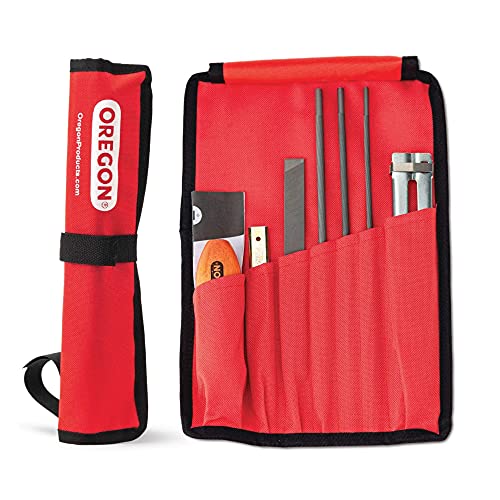
If you own a chainsaw, pole saw, or any gas-powered cutting tool, keeping the chain sharp is essential for efficient and safe operation. The Oregon Universal Chainsaw Field 7pc Sharpening Kit is a practical all-in-one solution designed to help DIY homeowners, mechanics, contractors, woodworkers, and garage users maintain their cutting equipment with minimal hassle. This kit includes three round files in common sizes (5/32", 3/16", 7/32"), a 6-inch flat file, a universal file handle, a file guide, and a travel pouch.
Performance-wise, this kit delivers reliable sharpening results. The file guide is a standout feature - it locks onto the file and rests against the chain's depth gauges and cutters, ensuring you maintain the correct filing angle and depth. This is crucial for achieving consistent cutting performance and extending chain life. The round files are made from high-quality abrasive material that efficiently removes metal without excessive effort. The flat file is useful for lowering depth gauges, which is often overlooked but vital for smooth cutting.
Build quality is solid for a field kit. The files are durable enough for regular sharpening sessions, though they will eventually wear down and need replacement (which is normal for any file). The universal file handle has a comfortable grip and fits all included files securely. The canvas travel pouch is sturdy and keeps each tool in its own pocket, preventing them from rattling against each other. The secure loop closure ensures nothing falls out during transport.
Ease of use is a major plus. The included instruction sheet has a clear filing chart that shows which file size to use for different chain pitches. Even if you're new to chainsaw maintenance, the guide makes the process straightforward. The compact pouch fits easily into a toolbox, backpack, or vehicle compartment, so you can take it to the job site or into the woods. Storage is simple - just roll up the pouch and stow it away.
One realistic limitation is that the kit does not include a dedicated depth gauge tool. While the flat file can be used to lower depth gauges, some users may prefer a specialized tool for more precision. Additionally, the files are not diamond-coated, so they may wear faster if you sharpen very hard chains frequently. However, for typical homeowner and occasional professional use, these files offer good value.
Overall, this Oregon sharpening kit is a practical investment for anyone who needs to keep their chainsaw performing at its best. It's especially well-suited for DIYers, mechanics, and contractors who want a portable, organized, and effective way to maintain their cutting tools. If you prefer a complete set that simplifies the sharpening process without breaking the bank, this kit is a solid choice.

Pros
- LowVib technology significantly dampens hand and arm vibration during prolonged operation
- Air Injection system reduces the frequency of air filter cleanings in dusty cutting environments
- Streamlined choke and stop control reduces the chances of flooded engine starts
- Compact powerhead profile allows easy maneuvering around dense branches and tight brush
Cons
- Displacement of 38cc is intended for light to medium trimming rather than felling large mature trees
- Requires routine two-stroke fuel mixing and standard small-engine maintenance schedules
The Husqvarna 130 Gas Chainsaw is a compact outdoor power tool engineered for everyday property upkeep, light log bucking, and backyard timber management. Outfitted with a 38cc two-stroke engine and a factory 16-inch guide bar, this chainsaw is targeted primarily at DIY homeowners, rural property caretakers, and workshop users who need a dependable cutting rig without the bulk and weight of a commercial-grade timber felling saw.
Cutting performance relies on consistent chain speed and manageable engine torque. The X-Torque motor generates 2 horsepower, delivering steady pull through seasoned firewood rounds, fallen limbs, and overgrown brush. The 16-inch bar provides sufficient reach for routine trimming tasks, while the inertia-activated chain brake adds essential security by locking the chain quickly if the bar tip catches or kicks back unexpectedly.
Husqvarna built this model with user fatigue in mind, integrating its LowVib dampener system into the chassis. By mechanically isolating the engine and cutting assembly from the front and rear handles, vibration is substantially dampened before reaching the operator hands. In addition, the Air Injection system uses centrifugal force to spin coarse sawdust away from the intake before it reaches the air filter, helping preserve continuous airflow and reducing downtime spent blowing out filter elements.
Starting procedures are straightforward compared to older small-displacement gas engines. A built-in fuel purge bulb pairs with a combined choke and stop switch, reducing guesswork and mitigating the risk of flooded cylinders during morning starts. General maintenance involves standard two-stroke upkeep, including checking chain tension, topping off bar oil, and inspecting the spark plug through the accessible engine cowl.
While this tool excels at light to medium yard clearing and campfire prep, it is not built for high-volume commercial logging or dropping large hardwood trunks. Forestry workers and heavy contractors will require higher displacement equipment for continuous heavy timber work. For homeowners and hobbyists seeking a nimble, well-balanced gas saw from an established outdoor brand, the Husqvarna 130 offers dependable cutting performance and accessible handling.
Operating a two-stroke gas chainsaw requires consistent upkeep to ensure long engine life and dependable starting. Using fresh, clean gasoline mixed with quality two-stroke oil at the manufacturer recommended ratio prevents internal cylinder scoring and keeps the 38cc X-Torque engine running smoothly through demanding cut cycles.
The centrifugal Air Injection system reduces dust accumulation on the primary filter, but periodic checks remain essential after tackling dry hardwood or heavy brush. Keeping the guide bar oil reservoir filled with proper bar and chain lubricant ensures minimal friction along the bar rails and extends cutting chain sharpness.

Pros
- Versatile for multiple applications including towing, lifting, and securing
- Durable build offers reliable performance for heavy-duty tasks
- Easy to store and handle, fitting neatly in a toolbox or garage
- Affordable price point for DIYers and professionals alike
Cons
- May not be rated for extreme heavy lifting or overhead use without proper certification
- Length may be limiting for larger towing or securing jobs
- Finish may show wear over time if exposed to moisture without proper care
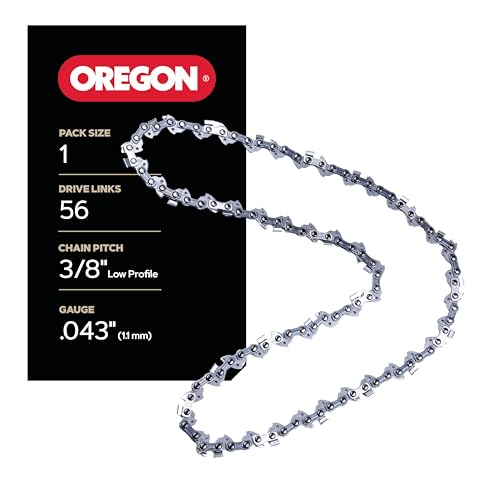
This chain is a straightforward, no-frills tool designed for a variety of tasks around the home, garage, workshop, or jobsite. Whether you need to secure a load in your truck bed, tow a vehicle, lift equipment, or hang tools for easy access, this chain provides a reliable and affordable solution. It's a practical addition to any DIY homeowner's, mechanic's, contractor's, or woodworker's toolkit.
In terms of performance, this chain delivers dependable strength for everyday tasks. It can handle towing a small trailer, securing heavy equipment, or lifting moderate loads with confidence. The construction is robust enough for regular use in a workshop or on a construction site, offering good wear resistance and durability. Users will appreciate its ability to get the job done without fuss.
Build quality is solid for the price point. The chain is made from materials that resist corrosion and wear, ensuring it holds up well in a garage or outdoor environment. It's easy to handle, with a manageable weight that doesn't add unnecessary bulk to your tool collection. Storage is simple - it can be coiled up and stored in a toolbox, hung on a wall hook, or tossed in a truck bed without taking up much space.
One realistic limitation is that this chain may not be rated for extreme heavy lifting or overhead use without proper certification. For critical lifting applications, users should verify the chain's working load limit and ensure it meets safety standards. Additionally, the length might be insufficient for larger towing or securing jobs, so consider your typical needs before purchasing.
Maintenance is minimal - just keep it clean and dry to prevent rust. A quick wipe down after use and occasional lubrication will keep it in good working order. Overall, this chain is a practical, budget-friendly option for anyone needing a reliable chain for general-purpose tasks around the garage, workshop, or jobsite. It's a smart buy for DIYers and professionals alike who want a versatile tool without breaking the bank.

Pros
- Strong tackiness reduces lubricant fling during high-chain-speed operation
- Broad temperature tolerance down to -18 degrees Fahrenheit for year-round reliability
- Helps protect against pitch, sap buildup, and metal corrosion during storage
- Ideal companion fluid for both electric cordless chainsaws and standard gas equipment
Cons
- Quart-sized container requires frequent restocking for heavy, all-day timber felling
- May require a small funnel for spill-free pouring into narrow chainsaw oil ports
The EGO Power+ AOL3200 is a dedicated 32-fluid-ounce bar and chain lubricant engineered to protect chainsaw cutting components during demanding trimming and felling tasks. This formulation suits DIY homeowners tackling seasonal yard cleanup, woodworkers breaking down timber, landscapers handling property maintenance, and contractors clearing jobsite debris. By ensuring consistent lubrication across the guide bar and drive links, it serves as a critical accessory for electric, cordless battery-powered, and traditional gas-powered chainsaws.
According to product specifications, this lubricant features a specialized high-tack, anti-wear formula designed to cling directly to the chain during high-speed rotation rather than slinging off prematurely. By maintaining a steady fluid film over high-friction contact points, it minimizes heat buildup, reduces wear on bar rails, and helps maintain cutting efficiency. The added rust and corrosion inhibitors provide dependable defense against moisture, sap, and outdoor elements, preserving cutting hardware between jobs.
Operational reliability across varying seasons is essential for outdoor power equipment users. The manufacturer highlights that this formula remains fluid and operational down to temperatures of -18 degrees Fahrenheit, making it a dependable choice for cold-weather firewood processing as well as hot summer tree maintenance. The sturdy 32-ounce bottle fits comfortably into workshop cabinets, jobsite toolboxes, or mobile service trucks without occupying excessive shelf space.
While the 32-ounce volume provides great portability for routine yard work and quick trimming projects, high-volume firewood cutters or arborists working extensive clearing jobs may exhaust a single quart quickly. Depending on the size and angle of your saw oil fill cap, pairing this jug with a narrow utility funnel can ensure cleaner, spill-free fills around the garage or work area.
For homeowners, trade contractors, and groundskeepers seeking to extend the operational life of their chainsaw guide bars and chains, the EGO Power+ AOL3200 provides a reliable, high-tack lubricating option. Its combination of friction reduction, cold-weather readiness, and metal protection makes it a practical staple for any chainsaw maintenance setup.
Outdoor equipment maintenance relies on lubricants that stay where they are applied under intense friction. The high-tack formulation of the EGO Power+ AOL3200 helps prevent premature throw-off at the tip of the bar, ensuring that chain drive links and cutters receive continuous lubrication while bucking logs or pruning thick branches.
Because it retains steady flow characteristics in freezing conditions down to -18 degrees Fahrenheit, users can transition seamlessly from autumn storm cleanup to mid-winter firewood cutting without dealing with gummed-up oil passages or sluggish oil pumps.
Frequently Asked Questions
What guide bar length is best for general yard maintenance?
A 14 to 16-inch guide bar offers the most practical balance for general yard tasks and light tree felling. This length cuts through typical firewood rounds and storm-damaged limbs while keeping the tool maneuverable. Longer bars demand significantly more engine power and increase operator fatigue during overhead trimming. Keeping chain teeth sharp with matching file sizes ensures these mid-size bars slice smoothly without binding.
How do you prevent fuel issues in small gas-powered chainsaws?
Use ethanol-free fuel mixed with high-grade two-stroke oil to prevent carburetor gumming and hard starts. Standard pump gas containing ethanol degrades quickly and attracts moisture, which damages fuel lines during seasonal storage. Adding a quality fuel stabilizer helps preserve the mixture if the saw sits idle for several weeks. Emptying the tank and running the carburetor dry before winter storage avoids costly fuel system repairs.
Are low-kickback chains worth using on Best Value Chainsaws in 2026?
Yes, low-kickback chains significantly reduce the hazard of sudden bar kickback when the nose contacts dense wood. These chains incorporate specialized bumper drive links that regulate the depth of cut for each tooth. Homeowners and property managers benefit from the extra stability during limb bucking and cleanup tasks. After rough woodcutting projects, woodworkers frequently switch to the best detailing sander to prep cut timber surfaces.
Why does bar and chain oil leak when the saw is stored?
Thermal expansion and atmospheric pressure changes naturally push residual oil out of the automatic oiler reservoir during storage. Placing the saw on a cardboard pad or storing it on a dedicated shop tray prevents messy workshop stains. Inspecting the oil tank cap gasket and cleaning excess sawdust from around the bar mount also reduces seepage. Premium high-tack bar oils adhere better to moving parts and resist excessive dripping in warm weather.
How often should a chainsaw chain be tensioned during cutting?
Check and adjust chain tension after the first few cuts and whenever the chain sags below the guide bar grooves. Heat generated during cutting causes metal drive links to expand, which loosens the chain on the bar. A loose chain risks derailing and damaging the drive sprocket or injuring the operator. Proper tension allows you to pull the drive links clear of the bar groove without forcing them.







Write Your Review
No reviews yet. Be the first to share your experience!