


Motor stalling halfway through a dense structural beam ruins your momentum and strips fastener heads in seconds. Cheap drills often lack the sustained torque and chuck grip needed to bore through knotty lumber or sheet metal without sudden bind-ups. If you want dependable rotation that will not bog down under pressure, picking the best drill chord makes every fabrication and framing job substantially smoother. Modern corded and cordless options deliver serious motor efficiency, whether you need continuous wall outlet juice from an 8-amp powerhouse like DEWALT or the grab-and-go convenience of a DEKOPRO 20V battery setup. Pair your drilling gear with a dependable detailing sander for tight spaces to finish rough surfaces once your holes are bored and fasteners are driven.
Chuck runout and loose jaws create wobbly pilot holes that compromise your structural joints before you even drive the first screw. Evaluating key specifications like ratcheting all-metal sleeves, variable speed trigger modulation, and dual-range gearboxes helps you spot equipment built for real shop demands. A reliable best drill chord provides steady torque control through mechanical clutches, preventing snapped bit shanks when driving into tough grain. By weighing motor amp ratings against battery convenience and clutch sensitivity, you can grab a dependable tool that handles everyday household repairs and heavy workshop duties without breaking a sweat.




Frequently Asked Questions About Best Drill Chord
What distinguishes a corded drill from a cordless model for continuous drilling?
Corded drills provide endless runtime and unyielding power without battery fade. Models like the DEWALT 8.0-amp unit pull continuous electricity directly from the wall, making them ideal for boring consecutive large holes with spade bits or hole saws. Cordless drills offer portable freedom around the yard, but corded designs eliminate battery degradation during extended workshop sessions.
Can a 3/8-inch keyless chuck handle demanding hole saw operations?
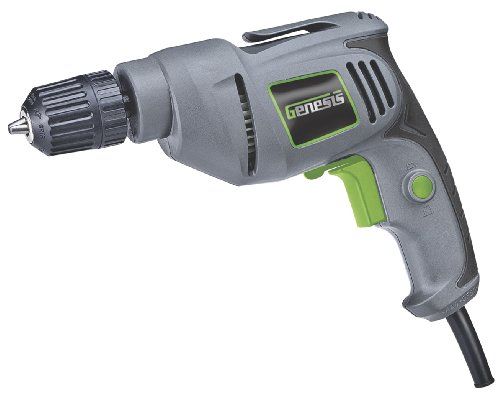
Yes, a quality 3/8-inch keyless chuck can handle moderate hole saw tasks if it features all-metal ratcheting jaws. Metal sleeves clamp down hard on round and hex bit shanks to minimize slippage when cutting through plywood or thin sheet metal. For heavy timber framing or massive hole saws exceeding two inches, stepping up to a 1/2-inch keyed metal chuck provides extra gripping security.
How do mechanical clutch settings prevent stripped screw heads?
Mechanical clutch collars disengage the drive motor as soon as resistance reaches a preset torque threshold. Setting a low torque number lets you drive delicate screws into drywall or soft pine without overdriving or stripping the fastener head. When you transition from driving screws to drilling holes, shifting the collar into dedicated drill mode locks the clutch for full torque delivery.
Does hammer drill mode work effectively on concrete and masonry?
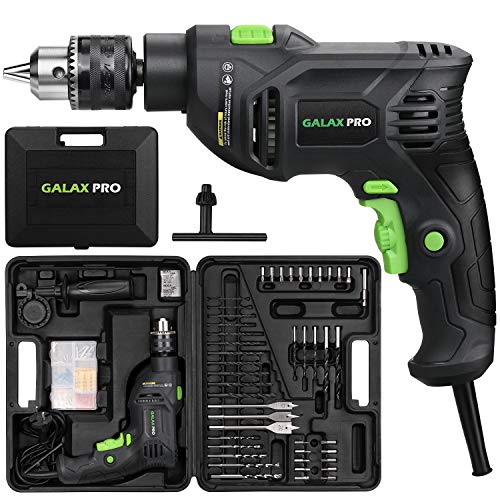
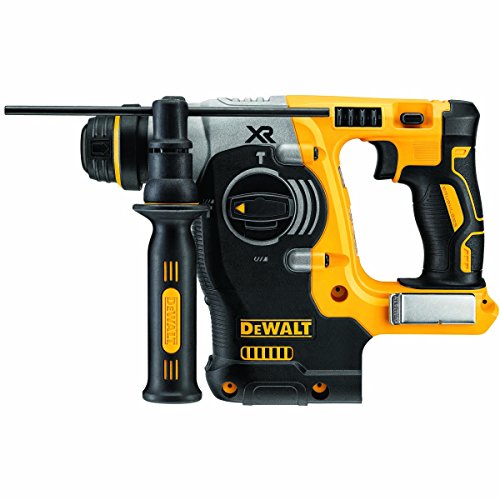
Hammer mode delivers rapid percussive impacts that pulverize brittle masonry while the bit rotates. Drills like the GALAX PRO 5-amp hammer drill tackle brick, mortar, and concrete blocks with ease for setting wall anchors. For drilling extensive deep holes in solid poured foundation walls, a dedicated SDS-plus rotary hammer offers much greater impact energy than standard percussion drills.
What is the most practical way to choose the best drill chord in 2026?
Matching motor power and chuck construction to your specific workload is the best strategy. Look for variable speed triggers and durable all-metal gearing to handle everything from driving delicate screws to drilling dense hardwoods. If your garage projects involve smoothing out lumber alongside drilling, pairing your setup with an oscillator sander for woodworking keeps your building process efficient and precise.





Write Your Review
No reviews yet. Be the first to share your experience!